

Many startups and small businesses often turn to DIY logo design tools, hoping to create a brand identity without the cost of professional design services. While these tools may offer quick results, they rarely deliver the quality needed to establish a strong and trustworthy image. A weak or unpolished logo can leave the wrong impression, reduce customer confidence, and ultimately impact your ability to attract and retain clients.
Partnering with a professional team like RAD Web Marketing guarantees that your logo does more than look good—it becomes a powerful symbol of your brand’s values, credibility, and uniqueness. A well-designed logo builds recognition, fosters trust, and helps you stand out in a competitive market. In this article, we’ll examine the drawbacks of DIY logo solutions and share practical strategies for creating a logo that elevates your entire brand identity.
The Importance of a Professional Logo
A logo is more than just a visual mark; it’s a core expression of your brand’s identity. It creates the first impression of your business and shapes how customers view your products and services. A professionally crafted logo—mindful of design complexity and strategic exposure—significantly enhances consumer recognition and brand attitudes, ultimately strengthening brand equity and market presence.
At RAD Web Marketing, we understand that color plays a powerful role in influencing perception, boosting brand recognition by up to 80%, and guiding consumer decisions across different audiences. Your logo should communicate who you are, what you offer, and what customers can expect—instantly and effectively.
Creating a Strong Logo Design
Creating an effective logo requires attention to three key principles: simplicity, relevance, and memorability. Each of these elements plays a key role in how your audience perceives and recalls your brand.
- Simplicity: A good logo is simple enough to be easily recognized yet unique enough to stand out. Effective logos, such as Nike’s swoosh and Apple’s bitten apple, have clean designs that ascertain quick recognition across various platforms. Overly complex logos can confuse viewers and dilute your brand message, making clarity essential.
- Relevance: The logo should reflect your business’s nature and connect with your target audience. Choosing the right colors, symbols, and typography allows your logo to communicate your brand’s identity effectively. For example, calming colors may resonate with a wellness brand, while sleek typography could appeal to tech consumers. A relevant logo fosters an emotional connection with potential customers.
- Memorability: You want your audience to easily remember your logo. A memorable logo helps facilitate quick brand recognition and recall. Unique design elements, like bold colors or shapes, leave lasting impressions. For instance, the golden arches of McDonald’s are instantly recognizable. Ensuring your logo is distinctive can encourage customer loyalty and enhance brand recognition. If you’re unsure where to start, exploring different logo design ideas can help inspire a direction that aligns with your brand’s personality and goals.
Potential Pitfalls
Neglecting any of these principles can lead to a logo that is forgettable or misrepresentative of your business. A complex or irrelevant logo can confuse customers, while a lack of memorability may result in missed opportunities for brand recognition. By focusing on simplicity, relevance, and memorability, you can create a powerful logo that strengthens your brand’s image and engages your audience effectively.
DIY Logo Design Might Hurt Your Brand
While DIY logo design tools can be convenient, they often come with pitfalls. Here’s why relying on these tools may not serve your brand well.
1. Lack of Originality
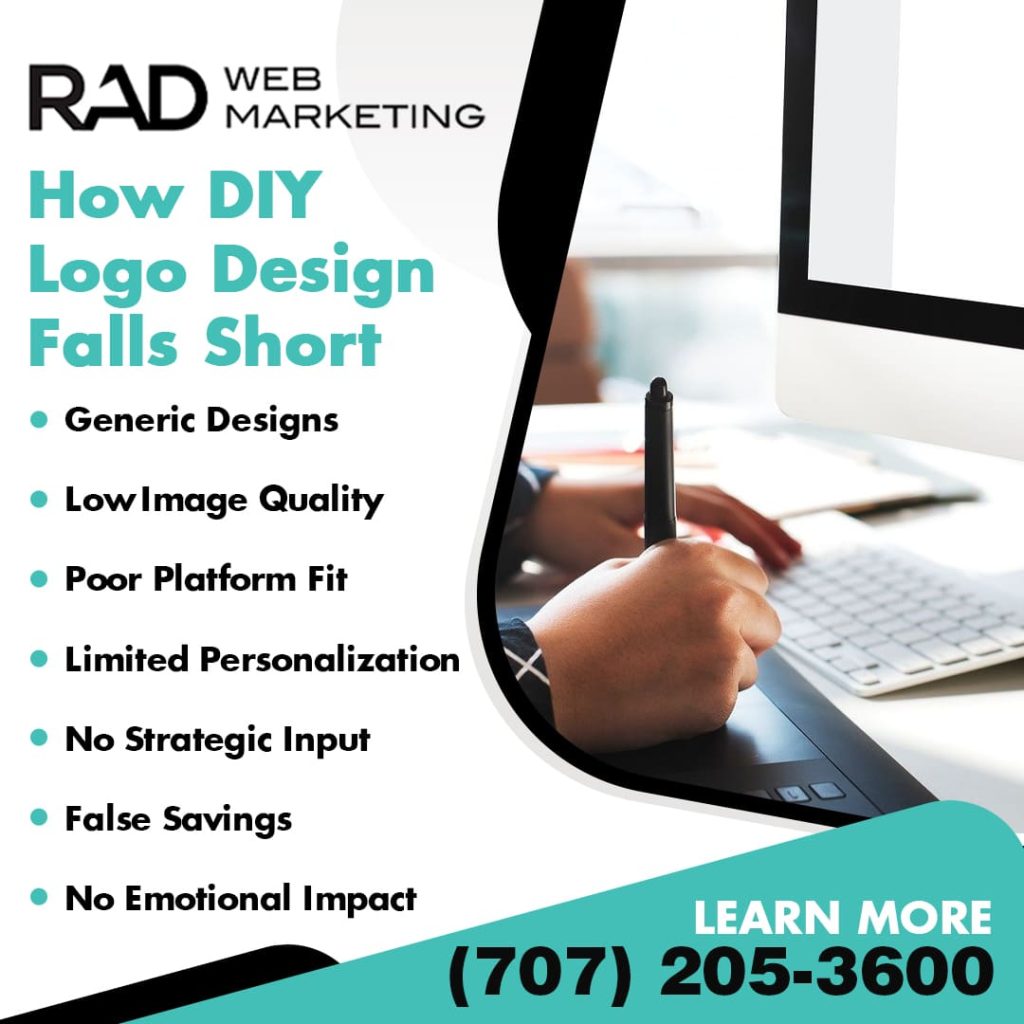
Using an online logo generator may lead to generic designs. Most templates are widely available, meaning multiple brands could end up with similar logos. This lack of originality can dilute your brand identity and make it harder for potential customers to differentiate you from competitors.
2. Poor Quality
Many DIY logo generators produce low-resolution images. A poor-quality logo will look unprofessional, especially when used on larger formats like banners or vehicle wraps. This compromises your brand's credibility.
3. Inconsistency Across Platforms
A DIY logo may not translate well across various media. Different platforms often have different requirements for logos (size, format, color profiles). A well-designed logo should maintain its integrity across all formats, from social media avatars to website headers.
4. Limited Customization
Most online logo tools provide limited options for customization. This restricts your ability to fully express your brand’s unique personality. A professional logo designer can provide tailored solutions that align closely with your vision.
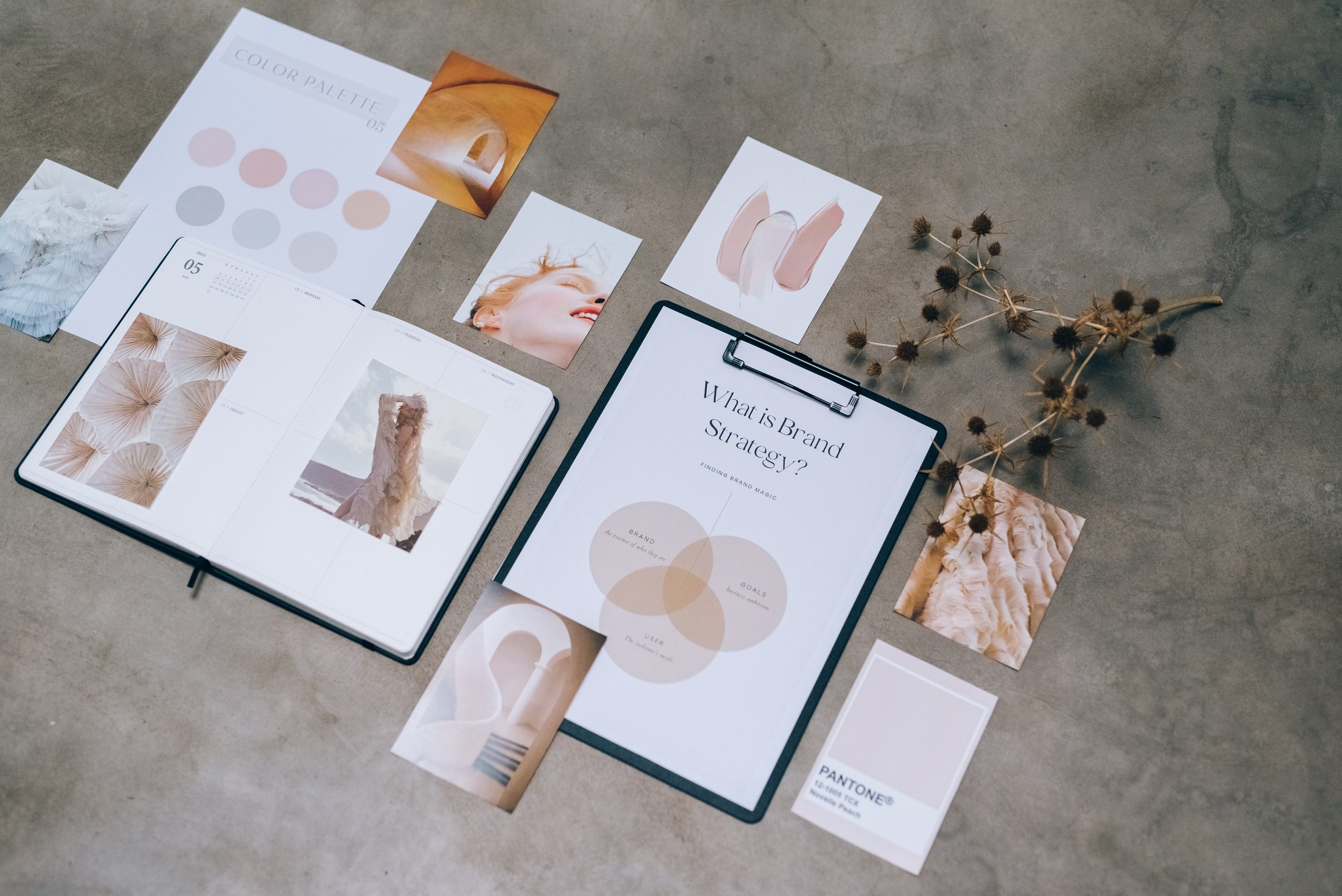
5. Neglect of Brand Strategy
A logo should be part of a larger brand strategy. When using a DIY tool, there's often a lack of consideration for how the logo fits into the overall branding narrative. Elements like mission, vision, and target audience might not be taken into account during the design process.
6. Time and Cost Deception
Although DIY logos seem economical, the true cost can be higher. The consequences of a poorly designed logo can lead to lost opportunities and the need for future redesigns. Hiring a professional from the start might save money in the long run.
7. Emotional Disconnect
Logos are emotional assets. A poorly designed logo fails to invoke the desired emotional response from consumers. Effective logos make people feel something about your brand, whether it’s trust, happiness, or excitement.
The Right Way to Build Your Brand Identity
Instead of relying on DIY logo design, consider taking the following actionable steps and exploring creative logo design ideas for a compelling logo.
1. Hire a Professional Logo Design Firm
Partnering with a reliable logo design firm is essential. Working with professionals allows you to benefit from their creativity, experience, and expertise. They will take the time to understand your brand’s goals, mission, and target audience to develop a customized logo that authentically reflects your identity. Additionally, seasoned logo designers can provide unique insights and perspectives that you may not have considered, enhancing the overall design process. Professional firms also typically offer a range of design iterations and concepts, allowing you to choose the best fit for your brand.
2. Conduct Market Research
Recognizing your competition is critical. Analyze what works and what doesn’t within your industry. Assess the color palettes, fonts, and symbols that resonate with your audience. This foundational research equips you with insights that lead to a more informed design process. Moreover, recognizing the trends prevalent in your market can help to position your brand distinctly, ensuring that you stand out. By knowing your competitors’ strengths and weaknesses, you can strategically differentiate your logo and make it more appealing to potential customers.
3. Establish Clear Brand Guidelines
Documenting brand guidelines is vital for consistency. These guidelines should outline logo usage, color schemes, font pairings, and tone of voice. Clarity in these elements ensures that everyone involved in branding, from marketing teams to designers, is aligned with your vision. Additionally, having these guidelines in place helps to maintain brand integrity across all platforms and marketing materials. It also enables new team members or external collaborators to quickly understand your branding direction, minimizing the risk of miscommunication.
4. Gather Feedback
Seeking opinions on your proposed designs can provide valuable insights. Feedback from stakeholders, especially potential customers, is instrumental in refining your logo. This iterative process helps develop a design that resonates strongly with your target audience. Engaging with users early in the design process can uncover preferences and desires that may not have been initially apparent. Additionally, using surveys or focus groups can provide a structured way to gather diverse opinions, ensuring a well-rounded approach to the final design.
5. Invest in Quality
Allocate resources to professional design. Recognizing the importance of a well-crafted logo means that investment is necessary. A quality logo serves as a valuable asset that contributes to brand recognition and fosters customer loyalty. By prioritizing quality, you create a lasting impression that can elevate your overall brand perception. Consider the long-term benefits of investing in a logo that not only looks good but also performs well in attracting and retaining customers.
The Role of RAD Web Marketing in Building Your Brand
At RAD Web Marketing, we are dedicated to partnering with businesses like yours to design logos and create a memorable brand identity through effective logo design. While we are based in Petaluma, our reach extends nationwide, providing tailored solutions that cater to the unique needs of startups and small businesses across various industries.
Our Approach
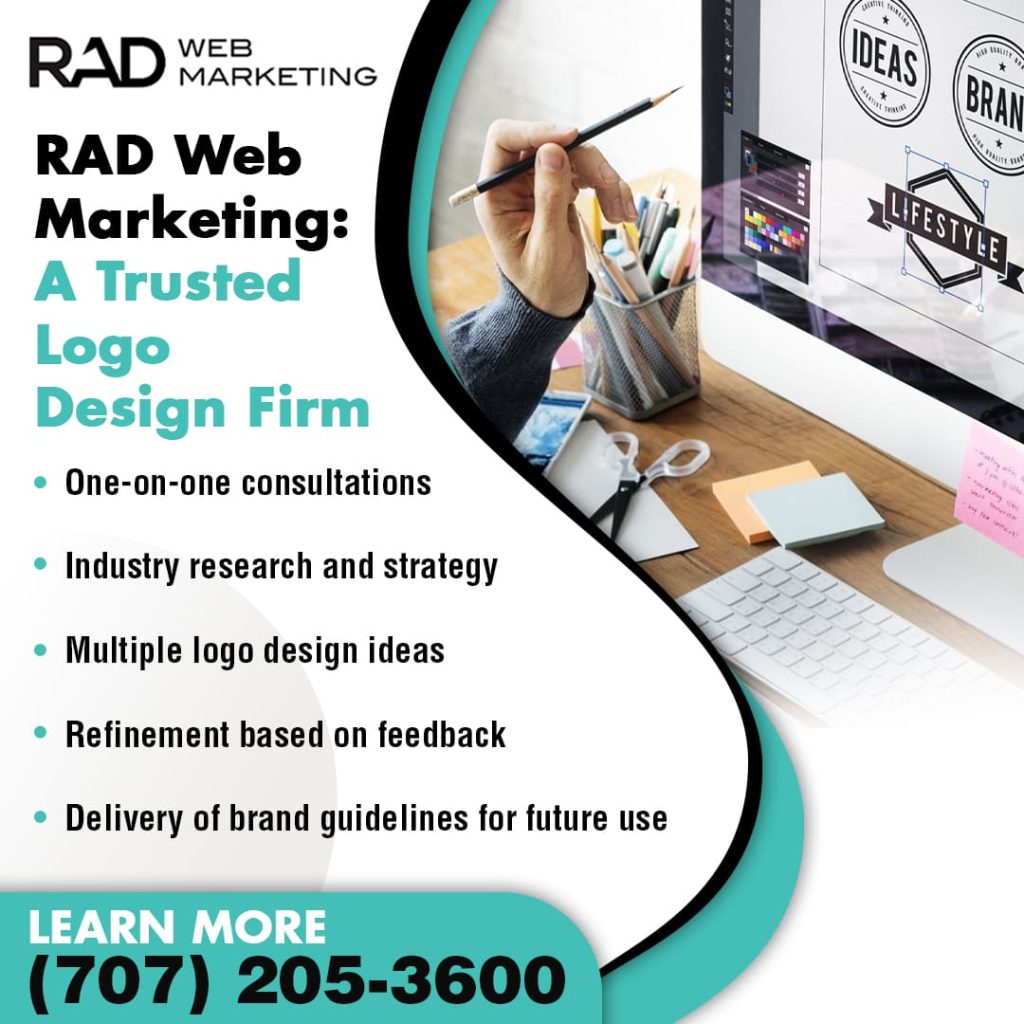
- Initial Consultation: At RAD Web Marketing, we kick off the process with a discovery phase where we engage in a detailed discussion about your brand, goals, and vision. This dialogue helps us gain insights into the distinctive aspects of your business and informs our design ethos from the outset.
- Research and Strategy: Our team conducts thorough market research to make sure that your logo design aligns not only with industry standards but also effectively sets you apart from competitors. By analyzing successful branding tactics within your sector, we identify distinguishing factors that will give your logo an edge.
- Design Process: At RAD Web Marketing, we believe in a collaborative approach, creating multiple logo concepts based on our research findings and your feedback. This iterative process allows us to explore various design avenues, fostering creativity while ensuring the final product resonates deeply with your brand identity.
- Refinement: Once a concept is selected, we work closely with you to refine the design. This phase involves making careful adjustments to typography, colors, and other elements until you are completely satisfied with the final logo. Our goal is to create a design that reflects your vision flawlessly.
- Brand Guidelines: After the logo is approved, we provide you with detailed brand guidelines that outline proper usage rules, color palettes, and typography. These guidelines serve as a valuable resource for ensuring consistency across all platforms, helping your brand maintain its integrity in all marketing materials.
Why Choose RAD Web Marketing
- Proven Track Record: We have successfully partnered with numerous startups and small businesses, guiding them in establishing strong brand identities that effectively communicate their unique values and missions.
- Comprehensive Services: Our offerings extend beyond logo design. We also specialize in web design, SEO, and digital marketing strategies that align with your branding efforts, ensuring a cohesive brand presence.
- Nationwide Reach: Though located in Petaluma, we proudly serve clients across the country. Our expertise brings a blend of local charm and professional insights into every project, helping your brand stand out in the marketplace.
By choosing RAD Web Marketing, you gain a reliable partner committed to facilitating your brand's growth through high-quality design and strategic marketing initiatives.
Invest in Your Brand’s Future
Creating a logo may seem like a small task, but it plays a critical role in shaping your brand image and identity. Choosing to design it yourself may save time and money upfront, but the long-term consequences can hurt your business more than you realize. By collaborating with a professional logo design firm like RAD Web Marketing, you invest in a powerful asset that will resonate with your audience and elevate your brand's image.
If you are ready to take your brand to the next level, contact us today for a consultation at (707) 205-3600 or via email at ashley@radwebmarketing.com–-we design logos that make a lasting impression.























0 Comments