


































When it comes to designing a website, one of the most critical decisions you'll have to make is choosing the right color scheme. The colors you select for your website can have a significant impact on how users perceive your brand, navigate your site, and ultimately, whether they choose to engage with your business. In this article, we will explore why choosing the right color scheme is crucial and offer some practical tips to help you make the right choice for your website.
First and foremost, it's essential to understand the psychological impact of colors. Different colors evoke different emotions and can influence how people perceive your brand. For example, blue is often associated with trust, reliability, and professionalism. It's no wonder many corporate websites use shades of blue in their color schemes. Similarly, red is known to stimulate excitement and urgency, explaining why we see it frequently in clearance sales or call-to-action buttons.
To choose the right color scheme, you need to consider your brand's personality, values, and target audience. Let's say you run a yoga studio that focuses on relaxation and mindfulness. In this case, using calming colors like light blues or soft greens would align with your brand identity and resonate with your target audience. On the other hand, if you're running an e-commerce platform for trendy fashion items, vibrant and bold colors may be more appropriate to capture attention and convey a sense of excitement.
Beyond the emotional impact, color schemes also play a crucial role in usability. A well-thought-out color scheme can enhance the user experience by improving readability, guiding users' attention, and creating visual hierarchy. Poorly chosen colors, on the other hand, can make your website difficult to navigate and discourage users from staying or returning.
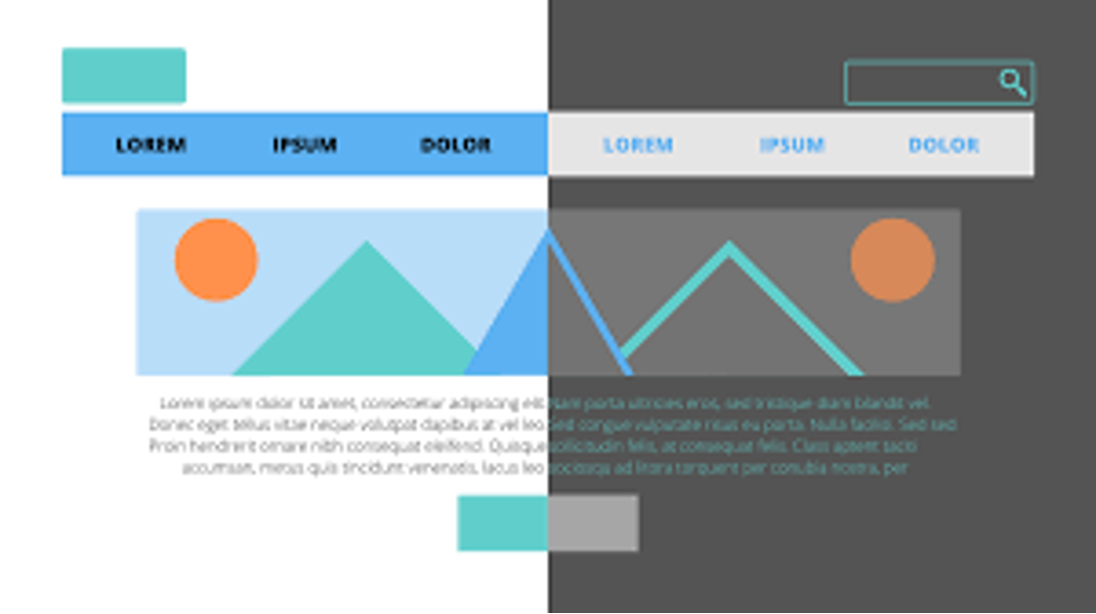
One basic principle to keep in mind is contrast. Ensure that there is enough contrast between the text and background colors to ensure readability. For example, using a dark text color on a light background or vice versa is a safe bet for most websites. Avoid using light text on light backgrounds or dark text on dark backgrounds, as this can strain users' eyes and make your content difficult to read.
Another important consideration is the use of complementary colors. Complementary colors sit opposite each other on the color wheel and create a visually striking effect when used together. For instance, if your brand color is primarily blue, the complementary color would be orange. Incorporating orange accents or elements into your website can create a visually appealing contrast that catches users' attention. However, use complementary colors sparingly to avoid overwhelming your visitors.
Consistency is key when it comes to color schemes. Your website should reflect your brand's overall visual identity, including your logo, offline marketing materials, and social media presence. Consistency in colors helps create a cohesive and memorable brand experience for your users. If your logo prominently features shades of green, it would make sense to incorporate green into your website's color scheme. This consistency reinforces your brand's identity and helps users recognize and remember your business.
While it's crucial to choose a color scheme that aligns with your brand and target audience, don't be afraid to get creative and experiment. It's okay to stand out and be unique, as long as it doesn't compromise usability and readability. Look for inspiration by exploring color combinations used by successful websites in your industry or related fields. Take note of how they incorporate colors to convey their brand personality and create an engaging user experience.
Choosing the right color scheme for your website is a decision that should not be taken lightly. It goes beyond personal preferences and requires careful consideration of your brand identity, target audience, and usability. By understanding the psychological impact of colors, prioritizing readability and usability, maintaining consistency, and getting inspiration from successful websites, you can create a visually appealing and compelling website that effectively represents your brand.
At RAD Web Marketing, we understand the importance of choosing the right color scheme for your website. Our seasoned team of experts can guide you through the process, ensuring your website stands out from the competition, engages your target audience, and drives conversions. Contact us today to discuss how we can help you create a visually stunning website that truly reflects your brand!


0 Comments