

If you are a business owner, you have undoubtedly had to decide whether to invest in a rich, detailed experience or go for a clean, simple web design while designing your website. This decision affects how consumers view your brand, how long they spend on your website, and how likely they are to become customers. Making the incorrect decision might result in low engagement, high bounce rates, and lost income opportunities.
RAD Web Marketing has guided hundreds of businesses through this decision since 2004, helping them select design approaches that align with their market position and customer expectations. Our experience shows that businesses without a clear design direction waste thousands of dollars on redesigns and miss opportunities to connect with their target audience. The right design philosophy becomes a powerful business tool that builds trust, communicates value, and drives measurable results for companies ready to invest in professional web design solutions.
The Power of Less: Understanding Minimalist Web Design
In order to concentrate on the main content and usefulness, minimalist web design eliminates extraneous components. This method places a high value on simple layouts, lots of white space, and restrained color schemes.
The idea that “less is more” is central to minimalist design. Pages with fewer elements load more quickly. Users may swiftly locate information without being distracted by visuals. When there are few possibilities, navigation becomes intuitive.
Popular minimalist features include:
- Single focal points per page
- Limited color schemes (2-3 colors maximum)
- Clean typography with plenty of spacing
- Strategic use of white space
- Simple navigation menus
Apple's website exemplifies minimalist design principles. Their product pages showcase individual items without competing elements. The result creates focus and drives purchasing decisions.
The Art of More: Exploring Maximalist Web Design
Maximalist web design embraces bold visuals, rich content, and multiple design elements to create immersive experiences. This style uses vibrant colors, patterns, and layered information to engage visitors.
Maximalist design believes “more is more” when done strategically. These sites tell complete stories through visual elements. They create memorable experiences that reflect brand personality.
Common maximalist elements include:
- Bold color combinations and gradients
- Multiple fonts and typography styles
- Rich imagery and video content
- Animated elements and interactions
- Dense information architecture
Fashion brands often use maximalist approaches. They showcase products through multiple angles, lifestyle images, and detailed descriptions. This thorough presentation helps customers make ideal decisions.

Why Minimalist Design Drives Business Results
Minimalist web design improves user experience through faster loading times and clearer navigation paths. RAD Web Marketing has observed how simplified designs often increase conversion rates.
Speed becomes a major advantage with minimalist approaches. Fewer elements mean faster page loads. Google rewards fast-loading sites with higher search rankings. Users stay engaged when pages respond quickly.
Mobile compatibility improves with a minimalist design. Responsive layouts work better with fewer elements to rearrange. Touch navigation becomes easier with larger, well-spaced buttons.
Maintenance costs decrease with simpler designs. Updates require less time and resources. Content management becomes straightforward when layouts are clean.
Brand clarity improves through focused messaging. Visitors understand your value proposition quickly. Call-to-action buttons stand out without competing elements.
How Maximalist Design Captivates Your Audience
Maximalist web design creates memorable brand experiences through rich visual storytelling and detailed product presentations. This approach works well for businesses with diverse offerings or complex services.
Emotional connection strengthens through immersive experiences. Visitors spend more time exploring detailed content. Brand personality comes through clearly with multiple design elements.
Information density allows extensive communication. Service businesses can explain complex offerings thoroughly. E-commerce sites can showcase products from multiple angles.
Visual hierarchy guides users through layered content. Strategic placement of elements creates natural reading patterns. Important information gets appropriate emphasis through design choices.
Creative expression flourishes with maximalist approaches. Unique brand personalities emerge through bold design choices. Differentiation becomes easier in competitive markets.
Perfect Scenarios for Minimalist Design
Minimalist web design succeeds for businesses prioritizing clarity, speed, and simple conversion paths. RAD Web Marketing recommends this approach for specific industry types and business models.
Service-based businesses benefit from minimalist designs. Professional services like law firms, consulting, and medical practices need trust-building clarity. Clean designs communicate competence and reliability.
E-commerce sites with focused product lines work well with minimalist approaches. Single-product businesses or curated collections benefit from distraction-free presentation.
B2B companies often prefer minimalist designs. Business buyers want information quickly without visual clutter. A recent Yale study reveals that visual clutter can disrupt how the brain processes information, making it harder to focus and interpret important details. Professional appearances build credibility in corporate environments.
Technology companies frequently choose minimalist aesthetics. Clean designs communicate innovation and efficiency. User-friendly interfaces align with product philosophies.
Industries That Thrive with Maximalist Design
Maximalist web design excels for businesses needing to showcase creativity, variety, or complex offerings. This approach works particularly well for certain industries and brand personalities.
Creative industries thrive with maximalist designs. Design agencies, marketing firms, and artistic services can demonstrate capabilities through rich visuals. Portfolio presentations benefit from diverse visual elements.
Retail businesses with extensive product catalogs need maximalist approaches. Fashion retailers, home goods stores, and specialty shops require space for multiple product displays. Visual variety helps customers explore options.
Entertainment and hospitality industries often choose maximalist designs. Restaurants, event venues, and tourism businesses create atmosphere through rich imagery and detailed descriptions.
Cultural organizations benefit from maximalist approaches. Museums, galleries, and educational institutions can share extensive content through layered design elements.
Decoding Your Audience: Key Factors That Matter
Recognizing your target audience's preferences and behaviors guides design philosophy choices. As a digital marketing and web design company, RAD Web Marketing analyzes user demographics, technical comfort levels, and browsing patterns to inform design decisions.
Age demographics influence design preferences. Younger audiences often appreciate bold, dynamic designs. Older users typically prefer simpler, more traditional layouts. Mobile usage patterns vary across age groups.
Technical comfort levels affect design complexity tolerance. Tech-savvy users can navigate complex interfaces. Less technical audiences need simplified navigation and clear instructions.
Industry expectations shape design requirements. Professional services need conservative approaches. Creative industries can push boundaries with innovative designs.
Geographic location influences design preferences. Urban markets often accept bold designs. Rural audiences may prefer traditional approaches. Cultural considerations affect color choices and imagery.
Matching Your Brand DNA to Design Philosophy
Your brand personality should drive design philosophy choices to maintain consistency across all touchpoints. RAD Web Marketing helps businesses align visual design with brand values and positioning.
Conservative brands typically benefit from minimalist approaches. Financial institutions, legal firms, and healthcare providers need trustworthy, professional presentations. Clean designs communicate reliability and competence.
Creative brands can embrace maximalist designs. Marketing agencies, design studios, and entertainment companies can showcase personality through bold visuals. Rich designs demonstrate creative capabilities.
Luxury brands often prefer minimalist aesthetics. High-end products benefit from sophisticated, uncluttered presentation. Elegance comes through restraint and quality materials.
Youth-oriented brands frequently choose maximalist approaches. Energy and excitement translate through dynamic visuals and interactive elements. Bold designs capture attention in competitive markets.
Behind the Scenes: Technical Challenges and Solutions
Both design philosophies present unique technical challenges that affect performance and user experience. RAD Web Marketing addresses these considerations during the development process.
Minimalist designs
Minimalist designs require careful attention to spacing and typography. Every element must serve a purpose. White space becomes a design element requiring strategic planning.
Performance optimization stays manageable with minimalist approaches. Fewer elements mean faster loading times. Mobile optimization becomes straightforward with simplified layouts.
Maximalist designs
Maximalist designs demand sophisticated performance optimization. Multiple elements can slow loading times without proper optimization. Image compression and lazy loading become critical.
Cross-browser compatibility requires additional testing for maximalist designs. Complex layouts may display differently across browsers. Responsive design becomes more challenging with multiple elements.
Design Disasters: Critical Mistakes That Kill Conversions
Common design pitfalls can undermine the effectiveness of both minimalist and maximalist approaches. RAD Web Marketing helps businesses avoid these costly mistakes that damage user experience and business results.
Minimalist Design Mistakes
Making minimalist design too sparse can strip away brand personality and leave visitors confused. The goal is clarity, not emptiness. Your web design should still communicate your unique value proposition.
Removing too much content creates problems. Visitors need enough information to make decisions. Contact information, service descriptions, and clear navigation must remain prominent.
Generic minimalist designs fail to differentiate brands. Clean layouts should still reflect your company’s personality. Color choices, typography, and imagery need strategic selection to maintain brand identity.
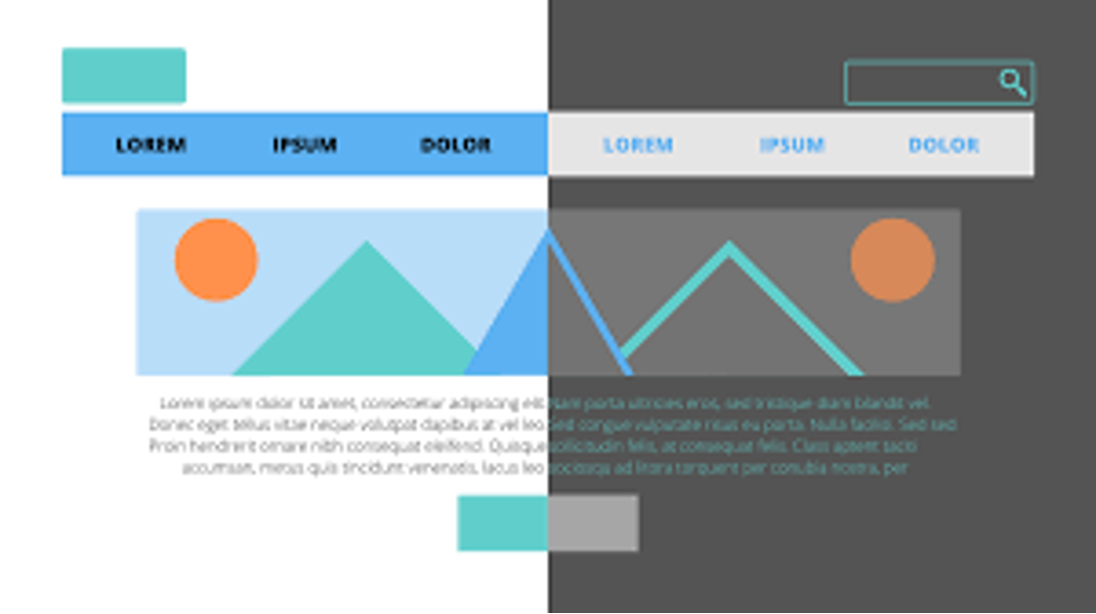
Poor contrast ratios harm accessibility. Subtle design elements must still meet readability standards. Text needs sufficient contrast against backgrounds. Navigation elements require a clear visual hierarchy.
Maximalist Design Mistakes
Overusing animation and interactive elements in maximalist design creates distraction and slows performance. Strategic animation enhances user experience, but excessive movement overwhelms visitors.
Loading too many elements simultaneously crashes mobile devices. Maximalist designs need careful optimization for different screen sizes. Performance monitoring becomes critical with complex layouts.
Inconsistent visual hierarchy confuses users. Multiple design elements need an organized presentation. Important information should stand out despite visual complexity.
Ignoring accessibility standards affects usability. Complex designs must remain navigable for all users. Color combinations need sufficient contrast. Font sizes require readability across devices.
Universal Design Mistakes
Both design philosophies can fail when businesses ignore user testing and feedback. RAD Web Marketing emphasizes the importance of data-driven design decisions.
Assuming user preferences without testing leads to poor results. Heat mapping and user behavior analysis reveal actual usage patterns. A/B testing helps optimize design choices over time.
Neglecting mobile optimization affects most visitors. Both minimalist and maximalist designs need responsive implementation. Touch-friendly navigation becomes critical for mobile success.
Forgetting conversion optimization focuses on aesthetics over results. Beautiful designs must drive business goals. Call-to-action placement and form design affect lead generation regardless of design philosophy.
Tracking What Matters: Success Metrics for Each Approach
Success metrics vary between minimalist and maximalist approaches, requiring different measurement strategies. RAD Web Marketing tracks specific KPIs based on design philosophy and business goals.
Minimalist designs typically excel in:
- Page load speed metrics
- Conversion rate optimization
- Mobile usability scores
- Search engine performance
Maximalist designs often show strength in:
- Time on page metrics
- User engagement rates
- Social media sharing
- Brand recall measurements
Both approaches require ongoing optimization based on user behavior data. Heat mapping reveals how visitors interact with different design elements. A/B testing helps refine design choices over time.

Your Decision Framework: Choosing the Right Design Path
The decision between minimalist and maximalist web design depends on your specific business needs, target audience, and brand personality. RAD Web Marketing helps businesses evaluate these factors to make correct choices.
Consider your primary business goals. Lead generation often benefits from minimalist approaches. Brand awareness campaigns may need maximalist designs. E-commerce success depends on product presentation requirements.
Analyze your competitive landscape. Differentiation opportunities exist through design choices. Standing out may require going against industry norms. Professional positioning affects design philosophy selection.
Evaluate your content requirements. Extensive product catalogs need maximalist approaches. Simple service offerings work well with minimalist designs. Information architecture influences design complexity.
Partnering with Professional Web Designers Who Get Results
Skilled web designers can execute either design philosophy effectively when they understand your business requirements. RAD Web Marketing brings expertise in both approaches to help businesses succeed online.
Professional web design companies analyze your specific needs before recommending design approaches. They consider industry requirements, target audience preferences, and technical constraints.
Experienced web designers balance aesthetic choices with functional requirements. They create designs that look appealing while driving business results. User experience optimization remains constant regardless of design philosophy.
The web design process should include testing and refinement phases. Professional designers use data to optimize designs after launch. Continuous improvement ensures long-term success regardless of initial design choices.
Transform Your Business with the Right Design Choice
The choice between minimalist and maximalist web design depends on your unique business circumstances. Both approaches can drive results when executed properly by skilled professionals.
RAD Web Marketing has helped businesses across Sonoma County and nationwide make these critical design decisions. Our experience has shown that success comes from aligning design philosophy with business goals and user needs.
Consider your industry requirements, target audience preferences, and brand personality when making design choices. Work with a professional web design agency that understands both approaches and can recommend the best solution for your specific situation.
The right design philosophy, combined with proper implementation and ongoing optimization, will help your business build credibility, attract customers, and achieve online success.
About RAD Web Marketing
RAD Web Marketing has been helping businesses build credibility, get found online, and turn their audience into loyal customers for more than two decades. We are a Petaluma-based digital marketing and web design company serving clients across Sonoma County and nationwide.
We specialize in WordPress web design, search engine optimization, social media marketing, reputation management, and local SEO services. We understand that your website serves as the foundation for all digital marketing efforts, which is why we focus on creating designs that not only look professional but also drive measurable business results.
Whether you need a minimalist design that converts visitors into leads or a maximalist approach that showcases your brand's creativity, our web design agency has the expertise to deliver results. We serve businesses throughout Santa Rosa, Sonoma, Rohnert Park, San Rafael, Novato, Napa, Sebastopol, and Healdsburg, as well as nationwide.
Ready to transform your online presence? Looking for skilled web designers near you? Contact us today at (707) 205-3600 or ashley@radwebmarketing.com to discuss which design approach will work best for your business goals.






























0 Comments