

When Aesthetics Overpower Functionality
Having a sleek website design is visually appealing, but it might be holding back your business if the design overshadows functionality. A beautiful website is great for first impressions, yet it must also perform well and serve the needs of your visitors effectively. When design elements become the main focus, instead of supporting usability, you might encounter website design issues that can negatively impact user interaction.
Consider a scenario where a website is filled with high-resolution images and complex animations. While they look stunning, they can distract from the primary message you want to convey. For instance, a local bakery's website might use a full-screen video of pastries being baked. It looks great, but if it slows down the page or hides critical information like location or opening hours, it's not serving its purpose well.
For your business, it's crucial to ensure that the website design supports your goals. This might mean prioritizing a clean and simple layout over flashy graphics to facilitate easier navigation. Businesses often find that a website redesign can help balance aesthetics with functionality, ensuring that users can find the information they need without frustration.
For further reading, see Authority Resource from usability.gov.
The Importance of User Experience Overlooks
Another common issue with sleek website designs is the potential neglect of user experience (UX). A site might look modern and cutting-edge, but if users find it difficult to navigate or frustrating to use, they won't stick around. User experience should be a top priority, as it directly influences how visitors interact with your site and whether they convert into customers.
Imagine visiting a trendy online clothing store with an innovative design. If the navigation menu is hidden or product categories are hard to find, users will likely leave without making a purchase. This is where a focus on effective custom WordPress development can ensure that the site remains user-friendly while maintaining a sleek appearance.
To enhance user experience, make sure your site is intuitive and easy to navigate. Conduct user testing to identify pain points and areas for improvement. Remember, a well-designed website should guide users seamlessly to the information or services they’re looking for, enhancing their overall experience and increasing the likelihood of conversion.
Slow Load Times Due to Heavy Design Elements
One of the most significant drawbacks of a visually rich website is slow load times. When a website is laden with large images, videos, and intricate design elements, it can take longer to load. This is a critical website design issue, as slow loading times can drive potential customers away. According to studies, even a one-second delay in page load time can lead to a 7% reduction in conversions.
For example, if you own a boutique in Petaluma and your website takes too long to load, potential customers might leave before they even see your products. This is particularly problematic in today’s fast-paced world, where users expect immediate responses and fast-loading websites.
- Optimize images to reduce file size without sacrificing quality.
- Minimize the use of heavy scripts and plugins that can slow down your site.
- Consider using a content delivery network (CDN) to improve load times for users across different locations.
In many cases, investing in site maintenance services can help identify and resolve these speed issues, ensuring your site performs optimally and meets user expectations.
SEO Challenges with Overly Complex Designs
Complex website designs can also pose challenges for search engine optimization (SEO). An elaborate design may look great, but it can confuse search engines, making it harder for them to index your site properly. This can affect your site's visibility in search engine results, limiting your reach to potential customers.
For instance, if your website relies heavily on JavaScript to load content, search engines might struggle to read and index your pages correctly. This is where technical SEO becomes crucial. Addressing crawlability fixes and ensuring that your site’s architecture is search engine-friendly can prevent these issues.
Ensure your website is easy for search engines to understand by using clean code and ensuring all content is accessible. Proper use of meta tags, alt text for images, and a well-structured sitemap can significantly enhance your site's SEO performance.
Website Design Issues: Mobile Responsiveness
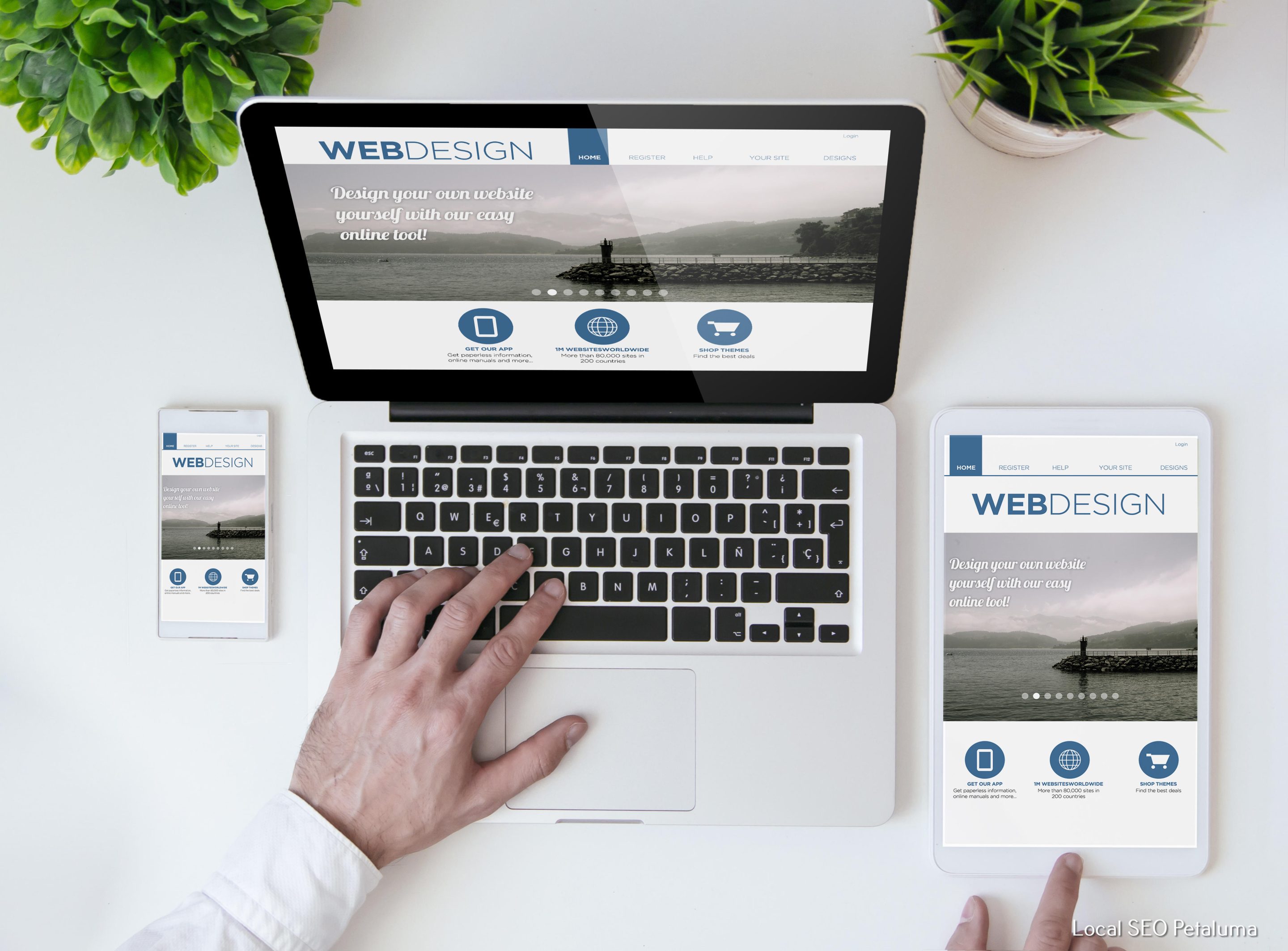
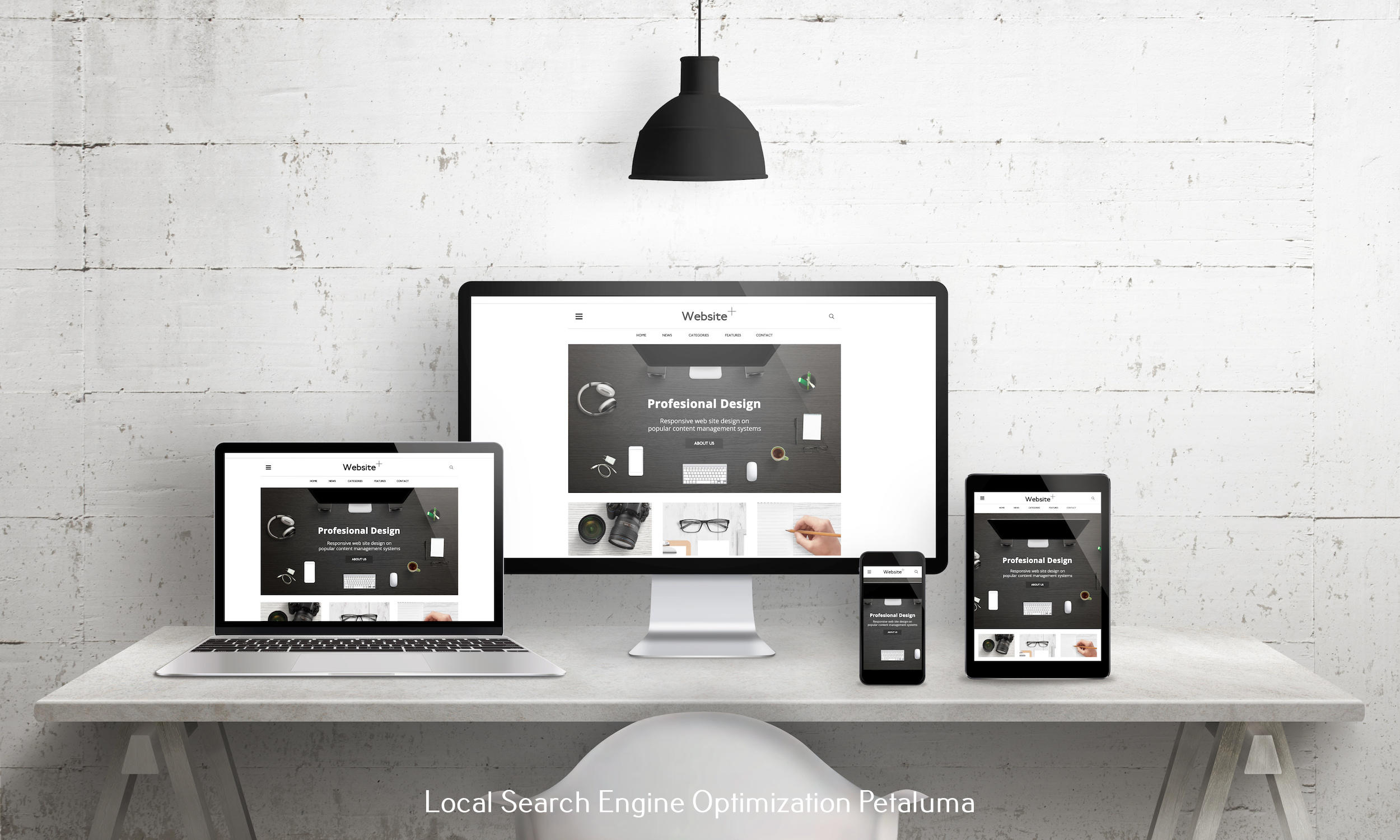
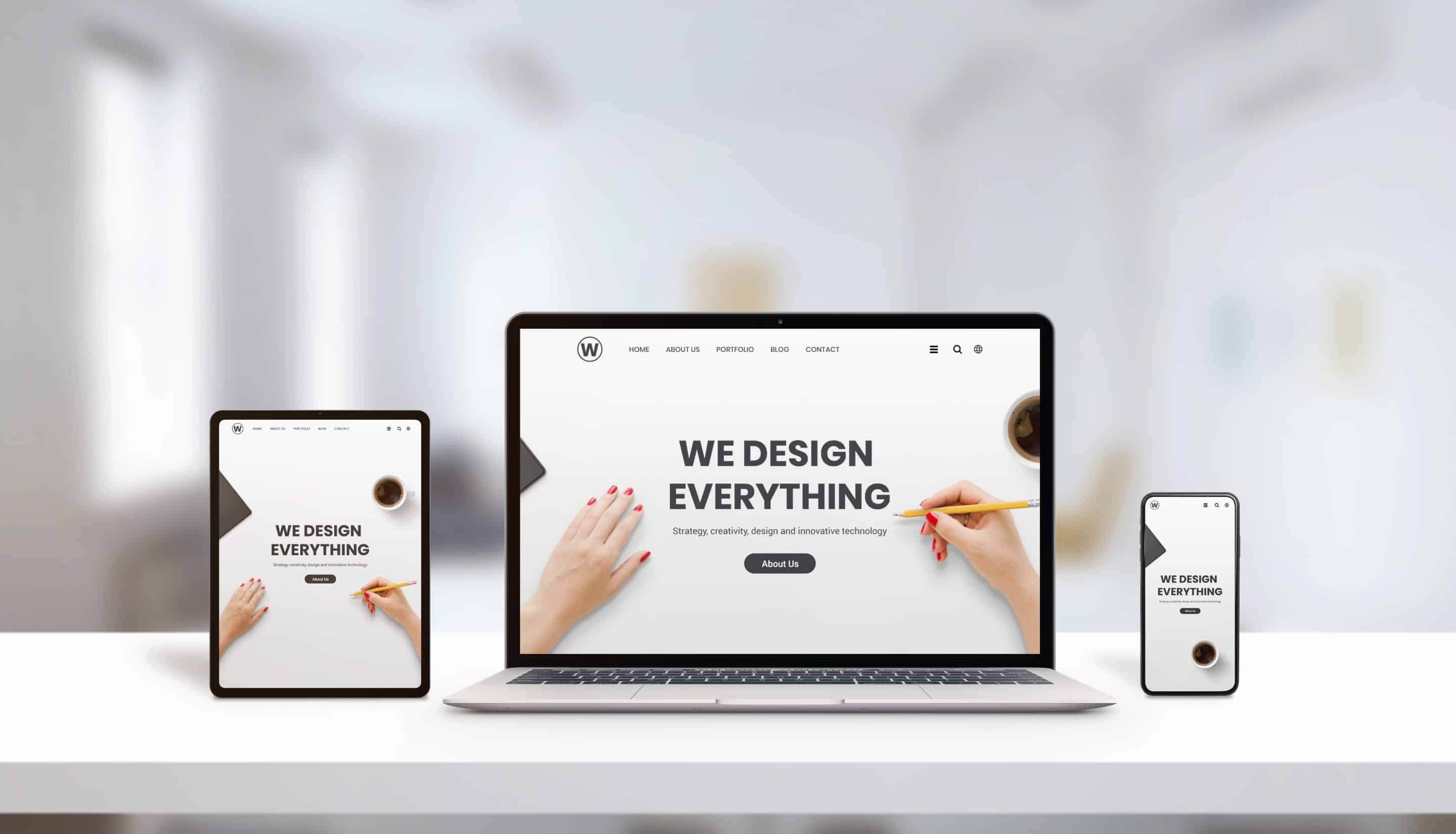
In today's mobile-first world, ensuring that your website is mobile-responsive is more important than ever. A sleek design that looks fantastic on a desktop might not translate well to mobile devices, which can be a significant oversight. Mobile responsiveness is essential to providing a seamless experience across all devices.
Imagine a customer in San Francisco trying to browse your restaurant menu on their phone, only to find that the text is too small or the layout is skewed. They'll likely leave, opting for a competitor with a more mobile-friendly site. This is a common website design issue that can be addressed through custom WordPress design to ensure that your site adapts gracefully to varying screen sizes.
To make your website mobile-friendly, test it on various devices and screen sizes. Pay attention to touch targets, font sizes, and the overall layout to ensure that users can easily interact with your site, no matter how they access it.
Conversion Rate Impacts from Distracting Designs
A sleek website design can be visually impressive, but if it distracts users from taking action, it can negatively affect your conversion rates. The primary goal of your website should be to guide visitors toward specific actions, such as making a purchase, signing up for a newsletter, or contacting your business.
For example, if a website's homepage includes multiple calls-to-action (CTAs), users might feel overwhelmed and unsure of where to click. Clarity is key; each page should have a clear purpose and a single, prominent CTA to guide users towards conversion.
- Simplify your layout to focus on the key actions you want users to take.
- Use contrasting colors for CTAs to make them stand out.
- Limit the number of competing elements on each page to reduce distractions.
A strategic small business website redesign can help streamline your website, ensuring that the design supports your business goals and enhances conversion rates.
The Cost of Maintaining a High-End Design
Maintaining a sleek, high-end website design can be costly and time-consuming. Complex designs often require regular updates and specialized knowledge to keep them running smoothly. This can strain your resources, particularly if your site requires frequent changes or troubleshooting.
Consider the situation where a business invests heavily in a custom website with intricate animations and interactive features. While initially impressive, these features may require constant updates and fixes, leading to higher ongoing costs. Website upkeep services can help manage these demands, but it's essential to weigh the benefits against the costs.
When planning your website design, consider the long-term maintenance required. Opt for a design that balances visual appeal with ease of maintenance to avoid unnecessary expenses and ensure that your site remains functional and up-to-date.
Balancing Visual Appeal with Practicality
Striking the right balance between aesthetics and practicality is key to a successful website design. While it's tempting to focus solely on how a site looks, it's crucial to consider how it functions and serves your business objectives. A practical design supports user needs and business goals, ensuring that visitors can access the information they need and take desired actions.
For instance, a simple, elegant design can effectively showcase a winery's offerings in Napa without overwhelming visitors with unnecessary details. The goal is to create a visually pleasing site that enhances, rather than detracts from, the user experience.
- Identify the core purpose of your website and design with that in mind.
- Ensure that all design elements serve a functional purpose.
- Regularly review and update your site to maintain its effectiveness.
By keeping practicality at the forefront, you can create a website that not only looks good but also drives results for your business.
Actionable Steps to Identify and Fix Design Issues
Recognizing that a sleek design might be holding back your business is the first step toward improvement. Here are actionable steps you can take to identify and fix website design issues:
- Conduct a User Experience Audit: Gather feedback from real users to identify pain points and areas that need improvement.
- Analyze Website Performance: Use tools like Google PageSpeed Insights to assess load times and identify slow-loading elements.
- Review Mobile Responsiveness: Test your site on various devices and screen sizes to ensure a seamless mobile experience.
- Optimize for SEO: Implement best practices for technical SEO to improve search engine visibility.
- Streamline Design Elements: Simplify your design to focus on key actions and reduce distractions.
- Invest in Professional Help: Consider working with experts like RAD Web Marketing for a custom WordPress redesign or SEO audits to enhance your site's performance.
Taking these steps can significantly improve your website's effectiveness, ensuring that it supports your business goals and enhances user experience. If you're unsure where to start, RAD Web Marketing offers a free website review to help identify potential design issues. Contact us today at 707-205-3600 to learn more about how we can help optimize your site for success.
Frequently Asked Questions
How can a sleek website design negatively impact my business?
A sleek website design can be visually appealing but might overshadow important functionality. If high-resolution images or complex animations slow down the page or hide essential information, such as contact details or product descriptions, it can frustrate users and lead to lost business opportunities.
What should I prioritize in my website design to improve user experience?
Prioritize a clean and simple layout that facilitates easy navigation and quick access to important information. Ensure your website loads quickly and focus on user-friendly features that align with your business goals, helping visitors find what they need without hassle.
How do I know if my current website design is holding back my business?
Evaluate your website's performance by checking user engagement metrics, such as bounce rate and time on site. If these metrics are poor, it might indicate that visitors are having trouble navigating your site or finding the information they need. Consider consulting RAD Web Marketing in Petaluma, CA, at 707-205-3600 for a professional assessment.
Why is user experience more important than aesthetics in web design?
User experience is crucial because it determines how easily visitors can navigate your site and access information. While aesthetics can attract visitors, poor UX can lead to frustration and drive them away, ultimately affecting your conversion rates and business success.
What are common website design elements that hinder functionality?
Common design elements that can hinder functionality include excessive use of animations, large image files that slow down loading times, and overly complex navigation menus. It's essential to balance these with user-friendly design to ensure a positive experience for visitors.





























0 Comments