
Time management is a critical skill that has become increasingly important in today’s fast-paced world. With the ever-growing demands of work, family, and personal interests, effectively managing one’s time can lead to a more productive, less stressful, and more balanced life. This article will explore the key aspects of time management, practical strategies for improvement, and the benefits of mastering this essential skill.
Understanding Time Management
Time management involves the process of planning and exercising conscious control over the amount of time spent on specific activities. It aims to increase effectiveness, efficiency, and productivity. Time management is not just about scheduling more tasks but prioritizing them in a way that maximizes output and minimizes stress.
For example, consider a project manager who needs to deliver a project within a tight deadline. By employing time management techniques like creating a detailed project plan, setting milestones, and allocating resources effectively, the manager can ensure that the project progresses smoothly. This structured approach not only helps in meeting deadlines but also enhances the quality of work.
Key Strategies for Effective Time Management
Effective time management requires a combination of strategies and tools. Here are some essential techniques that can help individuals manage their time better:
1. Prioritization
One of the most important aspects of time management is prioritization. Identifying the most critical tasks and focusing on them can significantly improve productivity. The Eisenhower Box, a decision matrix that classifies tasks into four categories – urgent and important, important but not urgent, urgent but not important, and neither urgent nor important – can be a valuable tool in this process.
Consider a student preparing for exams. By using the Eisenhower Box, they can prioritize their study schedule, focusing first on subjects they find more challenging or that carry more weight in their overall grade. This ensures they allocate sufficient time to these areas while not neglecting other subjects.
2. Setting Goals
Setting clear, achievable goals provides direction and motivation. Goals should be SMART – Specific, Measurable, Achievable, Relevant, and Time-bound. This approach helps in breaking down larger tasks into manageable pieces and tracking progress over time.
For instance, a writer working on a book might set a goal to write 1,000 words a day. This specific target not only helps the writer maintain a steady pace but also provides a sense of accomplishment with each milestone reached. The writer can further break this down into smaller goals, such as completing a chapter each week, which adds structure to the writing process.
3. Time Blocking
Time blocking is a technique where specific blocks of time are dedicated to particular tasks. This strategy minimizes distractions and promotes deep work, allowing individuals to focus fully on one task at a time.
For example, an entrepreneur might block out the first two hours of each workday for strategic planning and creative tasks. By designating this time for uninterrupted focus, they can tackle complex problems more effectively and foster innovation within their business.
Tools and Technologies
In the digital age, numerous tools and technologies can aid in time management. These range from simple to-do list apps to more sophisticated project management software.
1. Task Management Apps
Applications like Todoist, Trello, and Asana help users organize tasks, set deadlines, and track progress. These platforms offer features such as reminders, priority tags, and collaborative tools, which enhance accountability and coordination, especially in team settings.
Take a marketing team working on a campaign. By using Asana, they can assign tasks to team members, set deadlines, and monitor progress in real-time. This not only ensures everyone is on the same page but also helps in identifying bottlenecks and reallocating resources if needed.
2. Calendar Tools
Digital calendars like Google Calendar or Outlook are invaluable for scheduling and time blocking. They enable users to set reminders, schedule recurring events, and share calendars with others, facilitating better coordination and communication.
Imagine a busy executive juggling multiple meetings and appointments. By integrating a digital calendar with their email and task management apps, they can streamline their schedule, ensuring no overlap or missed appointments. Additionally, setting alerts for upcoming meetings helps them prepare in advance, enhancing their effectiveness during discussions.
The Benefits of Mastering Time Management
Mastering time management offers numerous benefits that extend beyond increased productivity. Here are a few key advantages:
1. Reduced Stress
Effective time management helps in reducing stress by providing a clear plan of action. When tasks are organized and prioritized, individuals can approach their day with a sense of control and confidence.
Consider an accountant during tax season, a typically stressful period. By planning their workload, setting realistic deadlines, and using efficient filing systems, they can manage their tasks systematically, reducing last-minute panic and ensuring accuracy in their work.
2. Improved Work-Life Balance
Time management allows individuals to allocate time for both work and personal life, promoting a healthier work-life balance. This balance is crucial for maintaining mental and physical well-being.
For example, a software developer might use time management strategies to complete their work tasks efficiently, leaving room for personal pursuits like exercise, hobbies, or family time. This balanced approach not only boosts their productivity but also enhances their overall quality of life.
3. Enhanced Focus and Efficiency
When time is managed effectively, individuals can concentrate better on the task at hand, leading to improved efficiency and focus. This heightened focus allows for quicker decision-making and higher quality output.
Imagine a teacher preparing lesson plans. By dedicating uninterrupted time to this task, they can develop more comprehensive and engaging lessons, ultimately benefiting their students’ learning experience. This focused approach also allows the teacher to identify and incorporate innovative teaching methods.
Additional Tips and Considerations
While the strategies and tools mentioned above are highly effective, it’s important to tailor time management techniques to individual needs and preferences. Here are some additional tips to consider:
- Regularly Review and Adjust: Time management is a dynamic process. Regularly reviewing your schedule and adjusting as needed can help accommodate changes and unexpected events.
- Avoid Multitasking: Multitasking can reduce efficiency and increase errors. Focus on one task at a time to ensure quality and accuracy.
- Set Boundaries: Clearly define work and personal time. Setting boundaries helps prevent burnout and ensures adequate time for relaxation and personal growth.
- Use the Pomodoro Technique: This involves working for a set period (e.g., 25 minutes) followed by a short break. This technique can enhance focus and prevent fatigue.
Consider a freelance graphic designer who often juggles multiple client projects. By using the Pomodoro Technique, they can maintain creativity and attention to detail, ensuring high-quality work for each client. Additionally, regular reviews at the end of each week help them assess their progress and make necessary adjustments to their workflow.
Conclusion
In the modern world, where demands on time are ever-increasing, mastering time management is more important than ever. By understanding the principles of time management, implementing effective strategies, and utilizing available tools and technologies, individuals can enhance their productivity, reduce stress, and achieve a more balanced and fulfilling life. Embrace these practices, and take control of your time today.
Understanding Website Security Risks
Website security risks are often underestimated by businesses, but ignoring them can lead to significant problems. These risks refer to vulnerabilities within a website that can be exploited by cybercriminals to cause harm. With cyber threats becoming more sophisticated, it’s crucial to understand what these risks entail and the potential consequences of neglecting them.
Common website security risks include:
- Malware: Malicious software designed to damage or disable computers and systems.
- Phishing: Fraudulent attempts to obtain sensitive information, such as passwords, by pretending to be a trustworthy entity.
- SQL Injection: A type of attack that allows hackers to interfere with the queries that an application makes to its database.
- Cross-Site Scripting (XSS): A vulnerability that allows attackers to inject malicious scripts into webpages viewed by other users.
Each of these risks can lead to unauthorized access, data theft, and significant damage to your business’s reputation and finances. By understanding these risks, you can take proactive measures to protect your website and business.
Financial Impacts of Ignoring Security
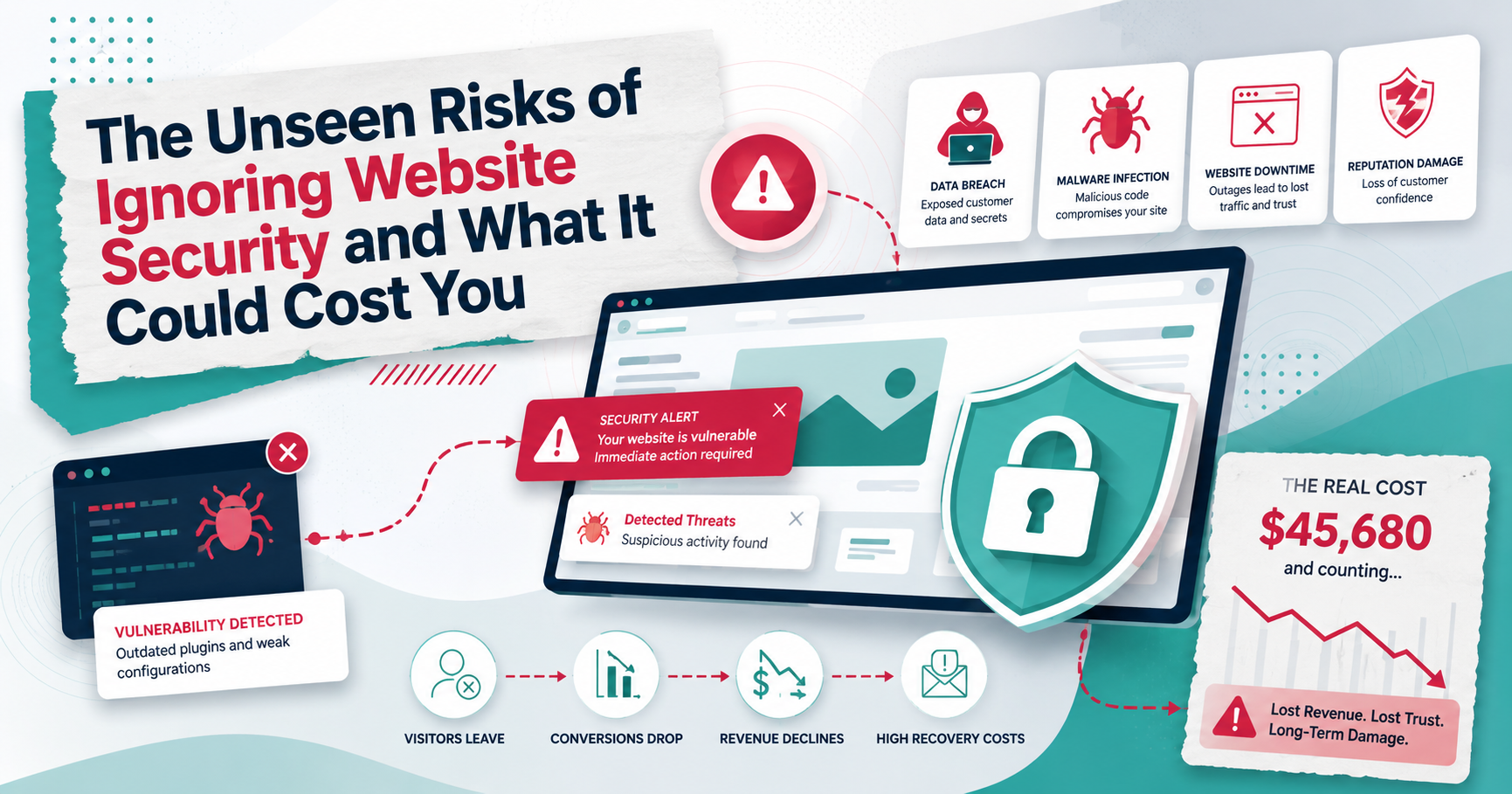
Ignoring website security risks can be financially devastating. The costs can be direct, such as those associated with repairing a hacked website, and indirect, like lost sales due to downtime or damage to your reputation.
For further reading, see Website security from developer.mozilla.org.
For example, a business might experience:
- Loss of Revenue: If your website goes down because of a security breach, potential customers can’t make purchases, leading to immediate revenue loss.
- Repair Costs: Fixing a compromised site requires resources and expertise, which means paying professionals for website maintenance and repairs.
- Increased Insurance Premiums: After a security breach, your business’s risk profile might change, leading to higher insurance costs.
According to a study by IBM, the average cost of a data breach in 2020 was $3.86 million. These figures highlight the importance of investing in robust website security measures.
Reputation Damage and Customer Trust
Your business’s reputation is one of its most valuable assets, and ignoring website security risks can quickly tarnish it. When a security breach occurs, customers may lose trust in your brand, fearing that their personal information is not safe.
Consider the following scenarios:
- Loss of Trust: Customers may hesitate to provide personal or payment information if they know your website was previously compromised.
- Negative Publicity: News of a data breach can spread quickly, especially with social media, leading to widespread negative publicity.
- Customer Churn: Loyal customers might decide to switch to competitors who offer more secure platforms.
Rebuilding trust can take years and often requires significant investment in public relations and customer relations strategies. Therefore, maintaining website security is vital for protecting your brand’s reputation.
Operational Disruptions and Downtime
Operational disruptions caused by website security breaches can halt your business activities. Downtime not only affects your sales but also impacts productivity and customer service.
The following are common operational impacts:
- Service Interruptions: If your website is down, you can’t serve your customers, which could lead to loss of sales and damage to customer relationships.
- Employee Productivity: Employees may need to focus on damage control rather than their regular duties, reducing overall productivity.
- Technical Repairs: Fixing security issues often requires emergency technical SEO and crawlability fixes, which can be costly and time-consuming.
Downtime can have long-lasting effects on your operations, making it essential to take website security seriously.
Legal Liabilities and Compliance Issues
Neglecting website security can also lead to legal liabilities and compliance issues, particularly if your business handles sensitive customer data. Many regions have strict data protection regulations that mandate businesses to protect consumer information.
Potential legal consequences include:
- Fines and Penalties: Non-compliance with data protection laws such as GDPR can result in hefty fines.
- Lawsuits: Customers affected by a data breach might sue your business for negligence.
- Regulatory Scrutiny: Your business could face increased scrutiny from regulatory bodies, affecting your operational flexibility.
Ensuring compliance with all relevant laws and regulations is essential to avoid these costly legal consequences.
Loss of Intellectual Property
Your business’s intellectual property (IP) is a crucial asset, and a security breach can compromise it. Intellectual property includes any products, designs, or proprietary information unique to your business.
Consider these risks:
- Theft of Proprietary Information: Hackers can steal sensitive information such as trade secrets or business strategies.
- Unauthorized Use: Stolen IP might be used by competitors, affecting your competitive advantage.
- Loss of Competitive Edge: Losing your IP can diminish your unique market position and lead to financial losses.
Protecting your business’s intellectual property through robust security measures is essential for maintaining your competitive advantage.
Long-Term Business Sustainability
Ignoring website security risks not only affects your current operations but can also threaten your business’s long-term sustainability. A single security breach can have repercussions that last for years.
Long-term impacts include:
- Reduced Customer Base: Ongoing security issues can lead to a shrinking customer base as people look for more secure options.
- Increased Operating Costs: Continually addressing security breaches can increase operational costs, affecting your bottom line.
- Strategic Limitations: Security concerns might limit your ability to expand into new markets or adopt new technologies.
Investing in comprehensive website security solutions is crucial for ensuring your business remains viable and competitive in the long run.
Proactive Measures to Mitigate Risks
Taking proactive measures to address website security risks is the best way to protect your business. Here are some steps you can take:
- Regular Security Audits: Conduct technical SEO audits and regular security checks to identify vulnerabilities.
- Website Maintenance: Ensure regular website upkeep to keep your site secure and up-to-date.
- Custom WordPress Development: Utilize custom WordPress design and development services to build a secure website from the ground up.
- Employee Training: Train employees on best practices for cybersecurity to prevent accidental breaches.
- Data Encryption: Use encryption to protect sensitive data from unauthorized access.
By implementing these measures, you can significantly reduce the risk of a security breach and protect your business.
Why Investing in Website Security is Crucial
Investing in website security is not just about preventing problems; it’s about ensuring the overall success of your business. A secure website builds trust with customers, protects your assets, and ensures compliance with regulations.
Ultimately, the costs associated with ignoring website security risks far outweigh the investment needed to protect against them. By prioritizing security, you safeguard your financial health, reputation, and business operations.
If you’re concerned about your website’s security, contact RAD Web Marketing for a free consultation at RAD Web Marketing or call us at 707-205-3600. Our experts can help you assess your current security posture and develop a strategy to protect your business effectively.
Frequently Asked Questions
What are the most common website security risks I should be aware of?
Common website security risks include malware, phishing, SQL injections, and cross-site scripting (XSS). Each of these can lead to unauthorized access and data theft, so it’s crucial to regularly update your website’s security features to protect against these threats.
How can ignoring website security affect my business financially?
Ignoring website security can lead to direct costs like repairing hacked websites and indirect losses such as reduced sales from website downtime or reputational damage. Protecting your website helps prevent these financial setbacks.
What steps can I take to protect my website from security threats?
To protect your website, ensure you use strong passwords, regularly update software and plugins, and employ security measures like firewalls and SSL certificates. For more tailored advice, contact RAD Web Marketing at 707-205-3600.
Why is website security important for small businesses?
Website security is crucial for small businesses because a security breach can lead to significant financial losses and damage to your reputation. By securing your website, you safeguard your business from potential cyber threats.
How can RAD Web Marketing help improve my website’s security?
RAD Web Marketing offers services like web design and SEO that include implementing robust security measures tailored to your needs. Reach out to them at 707-205-3600 to learn how they can help protect your website.











































0 Comments