

How Google Renders Your Web Pages
Understanding what Google and AI see on your website starts with how Google renders your web pages. Google uses a web crawler known as Googlebot to visit and index pages on your site. This bot views your website much like a browser does, interpreting HTML, CSS, and JavaScript to display content as intended. It’s crucial for web design to ensure that all page elements load correctly for Googlebot, as rendering issues can cause critical content to be missed or misinterpreted.
Googlebot primarily focuses on the main content of your pages. Elements like your text, images, and videos are assessed for relevance and quality. If you’re wondering “what can AI see on my website,” remember that AI tools often mimic Google's approach, prioritizing content that is structured and accessible.
To ensure your web pages are rendered effectively, consider the following:
- Ensure your website is mobile-friendly, as Google uses mobile-first indexing.
- Use tools like Google Search Console to identify and fix rendering issues.
- Optimize your CSS and JavaScript to prevent delays in page rendering.
By addressing these aspects, you enhance how Google and AI interpret your site, improving visibility and user experience.
AI's Focus on Semantic Content Analysis
AI tools, including those used by search engines, place significant emphasis on semantic content analysis. This involves understanding the meaning behind the content, not just the keywords. When considering “what can AI see on my website,” it's important to recognize that AI evaluates the context and relevance of your content to user queries.
Semantic analysis includes:
- Identifying topic clusters and how well your content covers them.
- Assessing the use of synonyms and related terms to better understand intent.
- Evaluating the coherence and flow of content to ensure it meets user expectations.
For example, if your website offers SEO services, AI will look beyond the keyword “SEO” to understand related topics like “keyword research,” “link building,” and “on-page optimization.” Ensuring your content is rich with relevant information helps AI tools better categorize and rank your pages.
The Role of Structured Data in Google and AI Perception
Structured data is a powerful tool that influences what Google and AI perceive on your website. It provides a standardized format to communicate detailed information about your site’s content, enhancing how search engines interpret and display it. By using structured data, you can tell search engines exactly what specific elements on your pages represent, from products and reviews to recipes and events.
Implementing structured data helps:
- Enhance search result listings with rich snippets, increasing click-through rates.
- Improve the accuracy of what search engines understand about your content.
- Enable features like voice search and AI queries to pull accurate data.
For instance, if your site involves e-commerce, structured data can display product prices, availability, and reviews directly in search results. For more detailed guidelines on implementing structured data, the Google Developers site offers comprehensive resources.
Google's Emphasis on Mobile Usability
Google’s focus on mobile usability stems from its mobile-first indexing policy, where the mobile version of your site is prioritized for indexing and ranking. When considering “what can AI see on my website,” mobile usability is a key factor. AI evaluates how well your site performs on mobile devices, impacting search rankings significantly.
To optimize for mobile usability, consider these steps:
- Ensure your site is responsive, adjusting seamlessly to different screen sizes.
- Use Google's Mobile-Friendly Test to identify and rectify usability issues.
- Minimize load times by optimizing images and reducing server response time.
With mobile searches surpassing desktop, ensuring a smooth mobile experience is essential. Not only does this improve user satisfaction, but it also enhances how AI evaluates your site’s relevance and accessibility.
AI's Assessment of User Engagement Metrics
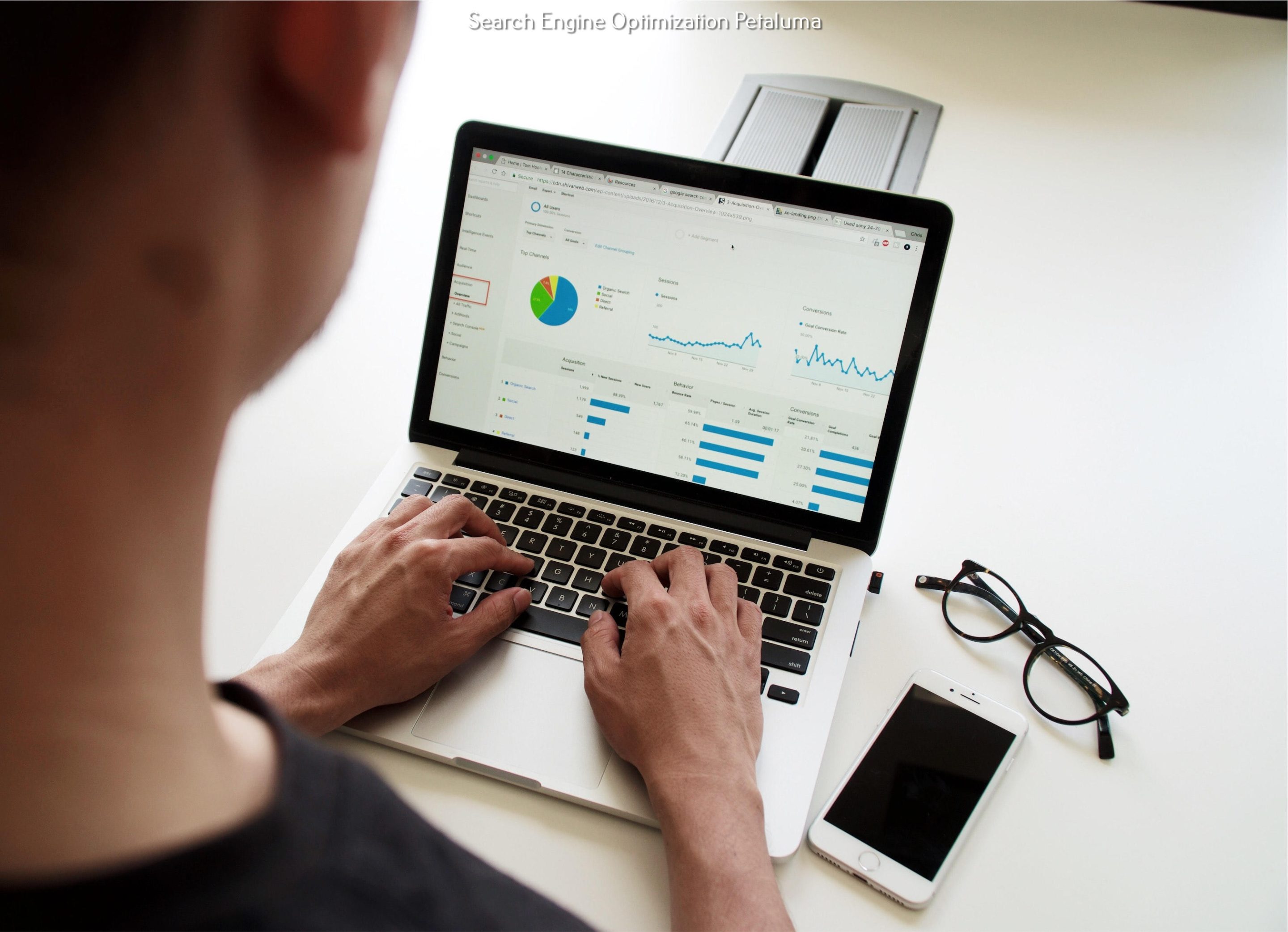
AI tools assess user engagement metrics to gauge how effectively your site meets user needs. These metrics include bounce rate, session duration, and pages per session, providing insight into how users interact with your site. If you're pondering “what can AI see on my website,” these metrics are crucial indicators of your site's performance and user satisfaction.
Improving user engagement involves:
- Enhancing content quality to keep users engaged longer.
- Ensuring intuitive navigation to facilitate easy access to information.
- Utilizing multimedia elements, like videos and infographics, to enrich user experience.
For instance, increasing pages per session can signal to AI that your content is valuable, potentially boosting your search rankings. Engaging content not only attracts visitors but encourages them to stay longer, providing AI with positive signals about your site’s relevance.
How Google Analyzes Website Speed and Performance
Website speed and performance are critical factors in how Google and AI perceive your site. Google uses these metrics to determine the quality of user experience, impacting your site’s ranking. Slow-loading pages can lead to higher bounce rates, negatively affecting your site's performance in search results.
Optimize your site’s speed by focusing on:
- Compressing images to reduce load time without compromising quality.
- Utilizing browser caching to improve load speeds for returning visitors.
- Minimizing HTTP requests by combining files like CSS and JavaScript.
Using tools like Google PageSpeed Insights can provide you with actionable insights on how to enhance your site’s performance. Ensuring swift load times not only improves user experience but also boosts the way AI evaluates your site’s efficiency.
The Impact of Backlinks on Google's and AI's View
Backlinks remain a vital component of how Google and AI perceive your site. These links act as endorsements, indicating your content’s credibility and authority. When considering “what can AI see on my website,” the quality and quantity of backlinks play a significant role in search rankings.
To improve your backlink profile:
- Engage in guest blogging to reach wider audiences and gain credible links.
- Ensure your content is link-worthy by providing high-value information.
- Monitor your backlink sources to avoid links from low-quality sites that could harm your ranking.
A robust backlink strategy can enhance your site’s authority, making it more attractive to AI algorithms. As a result, sites with strong backlink profiles often enjoy better visibility in search results.
Security Signals Google and AI Look For
Security signals are increasingly important in how Google and AI evaluate your site. With rising concerns over online safety, sites that prioritize security are favored by search engines. If you’re wondering “what can AI see on my website,” security features like HTTPS encryption are crucial.
To enhance security signals:
- Implement HTTPS to ensure secure connections between your site and users.
- Regularly update software and plugins to protect against vulnerabilities.
- Use security tools to monitor and respond to threats promptly.
By prioritizing security, you not only protect your users but also improve your standing with search engines and AI, which value safe and trustworthy sites in their rankings.
Content Freshness and Its Importance
Content freshness is a key aspect of what Google and AI see on your website. Regularly updated content signals to search engines that your site remains relevant and current, which can improve your rankings. AI tools evaluate the timeliness of your content to assess its relevance to user queries.
To maintain content freshness:
- Regularly update existing content to reflect the latest information.
- Consistently publish new content to engage your audience and attract new visitors.
- Repurpose older content in new formats, like turning blog posts into videos or infographics.
For example, if your site specializes in website redesign, updating case studies or success stories can demonstrate ongoing relevance. Keeping your content fresh not only enhances user engagement but also boosts how AI perceives your site.
For businesses aiming to optimize their websites for Google and AI, understanding these elements is crucial. At RAD Web Marketing, we specialize in helping businesses enhance their online presence. Contact us today at 707-205-3600 for a free marketing consultation and learn how we can improve what Google and AI see on your website.
Frequently Asked Questions
How does Googlebot see my website?
Googlebot views your website much like a browser, interpreting HTML, CSS, and JavaScript to display content. Ensure all elements load correctly to avoid critical content being missed by using tools like Google Search Console to identify rendering issues.
What can AI identify on my website?
AI can identify and analyze the main content of your website, including text, images, and videos. Focus on making your content structured and accessible to improve how AI tools interpret your site.
How can I ensure my website is mobile-friendly for AI and Google?
To ensure your website is mobile-friendly, adopt a responsive design and test it on various devices. Google uses mobile-first indexing, so optimizing for mobile can enhance how Googlebot and AI perceive your site.
Why is semantic content analysis important for AI?
Semantic content analysis helps AI understand the meaning behind your content, not just keywords. By focusing on semantic relevance, you can improve search engine rankings and user engagement on your site.
How can RAD Web Marketing help improve my website's visibility?
RAD Web Marketing offers web design, SEO, and digital marketing services to enhance your website's visibility. Contact them at 707-205-3600 to optimize your site for both Google and AI tools.










































0 Comments