
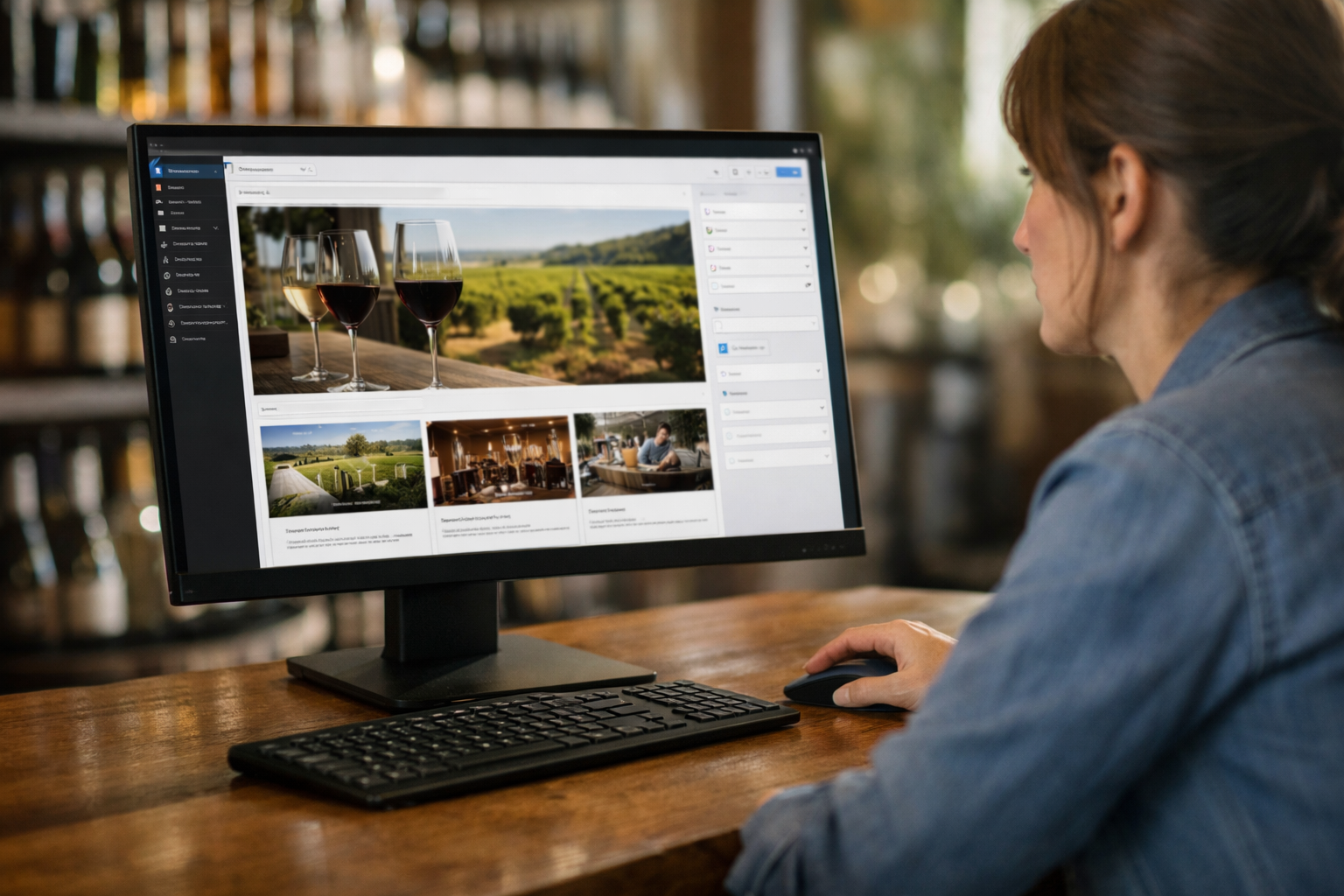
What is a custom WordPress website redesign process, really?
A custom WordPress website redesign process is a step-by-step project where your existing site is reimagined, rebuilt, and relaunched to better fit your business goals, branding, and user needs. Unlike a simple theme swap, this approach tailors every aspect—from design to functionality—to your unique requirements.
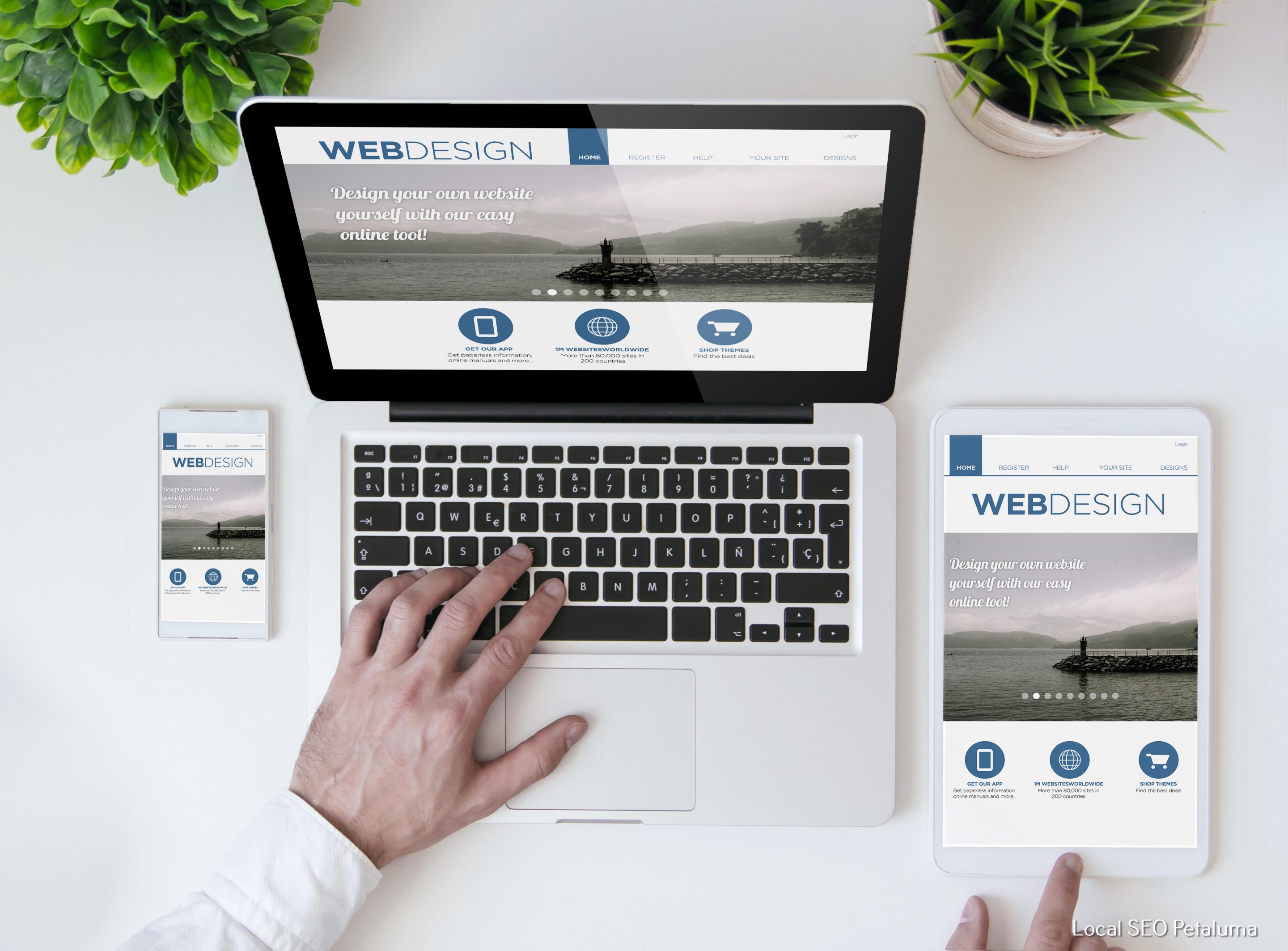
This process involves more than changing colors or logos. It’s about building a site that works for your business, not just anyone’s. The project can include restructuring your content, improving navigation, upgrading features, and making sure your site is mobile-friendly and easy for visitors to use.
For example, if your old site is hard to update or doesn’t convert visitors into customers, a redesign can fix that. RAD Web Marketing often helps businesses in Petaluma create custom WordPress solutions that reflect their brand personality, load quickly, and deliver measurable results. A professional website design service can guide you through each stage of the redesign process, ensuring your new site meets both aesthetic and functional goals. After your custom WordPress website redesign is complete, ongoing website maintenance ensures your site stays secure, updated, and running smoothly for the best user experience. A common question during a custom WordPress website redesign is does website redesign always lead to better leads, and consulting with experienced designers can help set realistic expectations for your specific business goals.
For further reading, see How do I re from wordpress.org.
Every step is tailored to you, from understanding your goals to launching a site that’s ready for growth.
Why do businesses choose to redesign their WordPress site?
Businesses choose to redesign their WordPress site when their current one no longer meets their needs, looks outdated, or fails to engage customers effectively.
The reasons for a website overhaul are often practical. Maybe your branding has changed, and your site doesn’t match. Or perhaps your competitors’ websites look more modern, making yours seem behind the times. In some cases, the site is hard to update, loads slowly, or doesn’t work well on mobile devices.
Common triggers for a redesign include:
- Brand refresh: Your logo, messaging, or brand colors have changed.
- Better performance: The old site is slow or buggy, driving customers away.
- Mobile optimization: More visitors are coming from phones and tablets, and your site isn’t mobile-friendly.
- Improved conversions: You want more leads, sales, or inquiries.
- Security and technology updates: Older sites may be vulnerable or missing new features.
For example, if you notice your competitors’ sites load faster and have more engaging calls to action, it’s likely time to invest in a redesign. A well-executed project brings your business up to speed and can pay for itself in new business and efficiency.
What happens during the initial discovery and planning phase?
During discovery and planning, your web team learns about your business, goals, target audience, and what’s working or not with your current site.
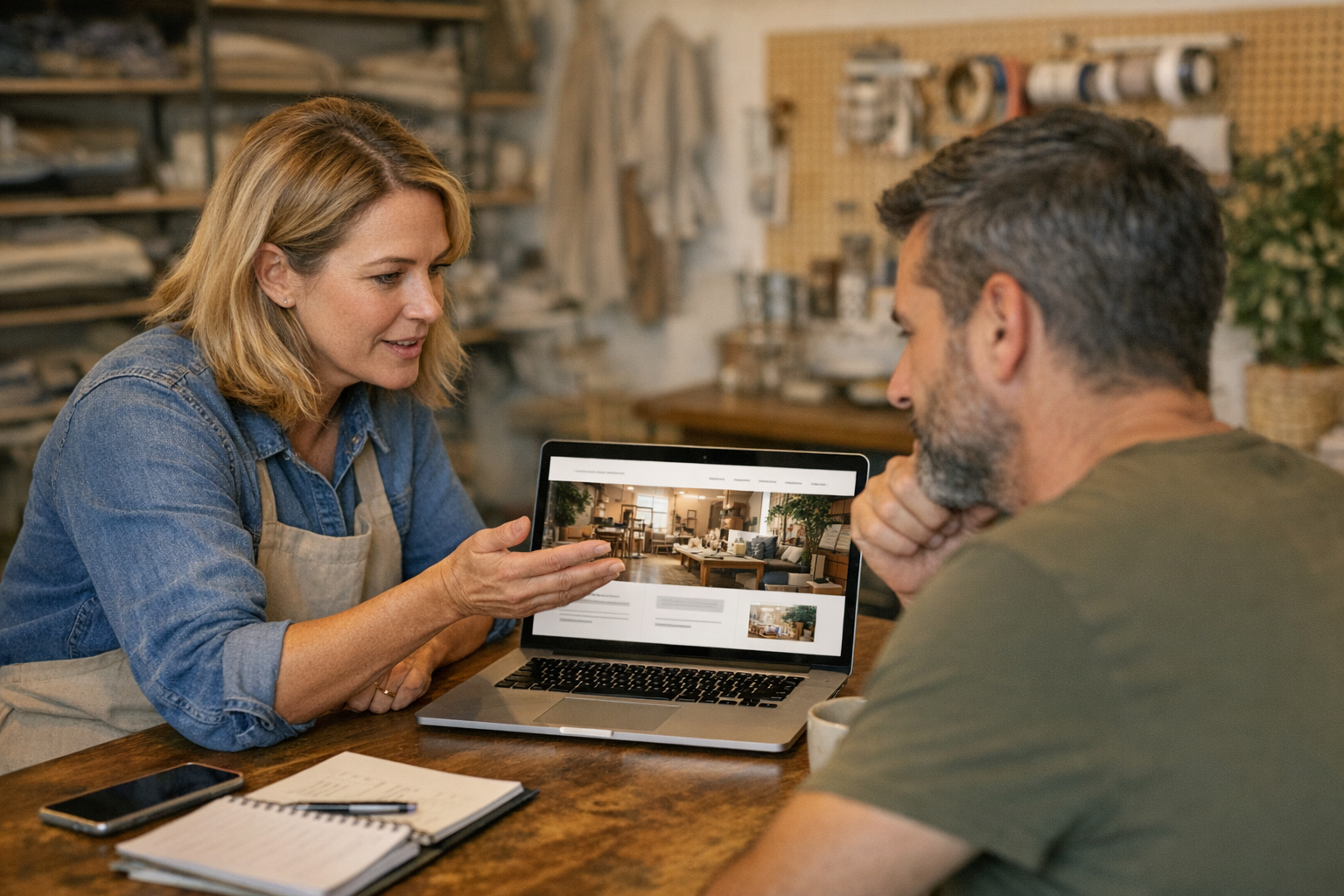
This phase is all about asking questions and listening. At RAD Web Marketing, we start with a detailed conversation—sometimes in person at our Petaluma office or over the phone. We’ll ask about your main objectives, ideal customers, and any frustrations you have with your current site.
Key activities in this phase include:
- Reviewing your current website’s performance, look, and structure
- Discussing your goals for the new site (such as more leads, better branding, or easier updates)
- Learning about your business, competition, and customer base
- Identifying must-have features, integrations, and content needs
- Setting a realistic budget and timeline
By the end, you’ll have a clear roadmap for your project. This ensures the rest of the redesign is focused and efficient, with fewer surprises along the way.
How do strategy and site architecture get mapped out?
Strategy and site architecture are mapped out by organizing your content, defining how visitors will navigate, and planning features that support your business goals.
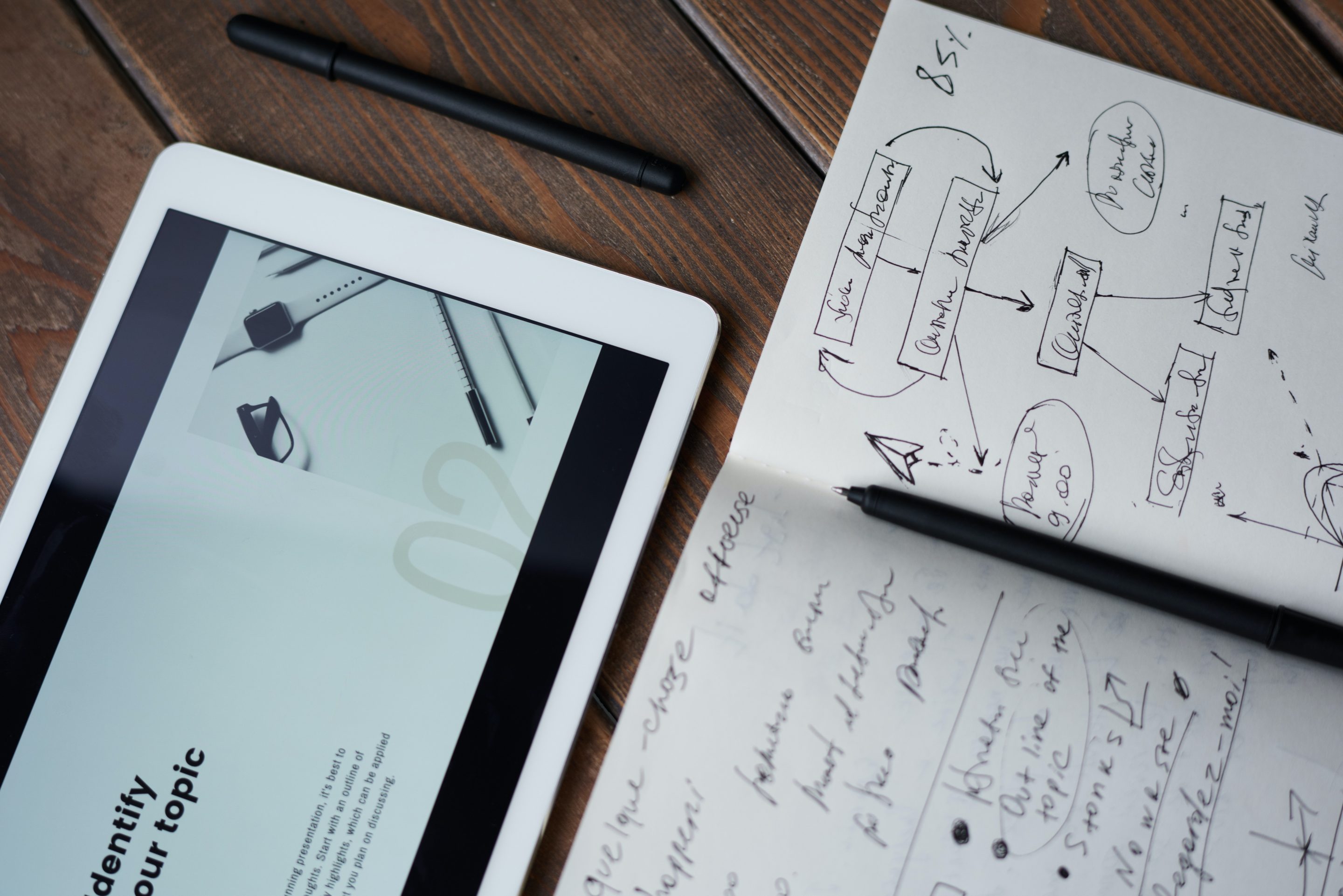
This step takes your goals and turns them into a logical structure for your site. You’ll work with your web team to lay out a site map (a visual diagram of all your pages) and decide how users will flow from one section to another.
- Creating a site map of all pages and their relationships
- Prioritizing key pages (like services, about, or contact)
- Planning user journeys—how should a visitor move through your site?
- Identifying calls to action for each page (such as “Call Now” or “Request a Quote”)
- Documenting required features (such as a blog, booking tool, or e-commerce)
For example, if your goal is to get more quote requests, your architecture should make it easy for visitors to find and fill out your contact form from any page. A clear, thoughtful plan here saves time during design and development, and helps avoid wasted effort.
What’s involved in the custom design and feedback process?
The custom design and feedback process involves creating unique visual mockups for your site and refining them based on your input, ensuring the final look fits your brand and feels right for your customers.
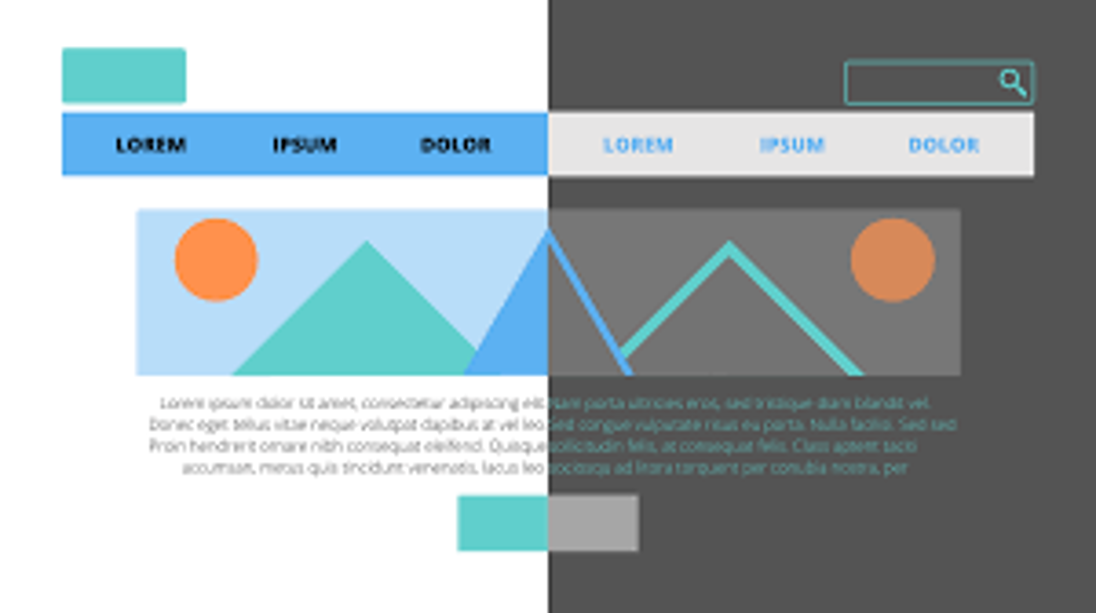
You’ll see preview designs (often called mockups or wireframes) before anything is built. These can include the homepage, important subpages, and any special features. You’ll have the chance to review these and give feedback on colors, fonts, images, and layout.
- Initial design concepts presented as images or interactive prototypes
- Review meeting to discuss what you like and don’t like
- Revisions based on your feedback—sometimes several rounds, as needed
- Final sign-off once you’re happy with the design
For example, a Petaluma retail business might want a homepage that highlights local roots with custom photography and a warm color palette. Your input guides these decisions so the end result feels authentic and effective.
RAD Web Marketing works one-on-one with clients throughout this phase, making sure every detail reflects your vision and business needs.

How does development work during a custom WordPress website redesign process?
Development is where your approved designs are turned into a working, interactive website using WordPress as the foundation.
This phase involves coding, integrating features, and setting up the content management system so you can easily update your site. Developers build out each page, add your content, and connect any special tools or integrations you need—like contact forms, maps, appointment booking, or e-commerce functionality.
Typical steps include:
- Setting up a private development environment so your current site stays live during the build
- Building custom templates and layouts based on the approved designs
- Adding your text, images, and videos
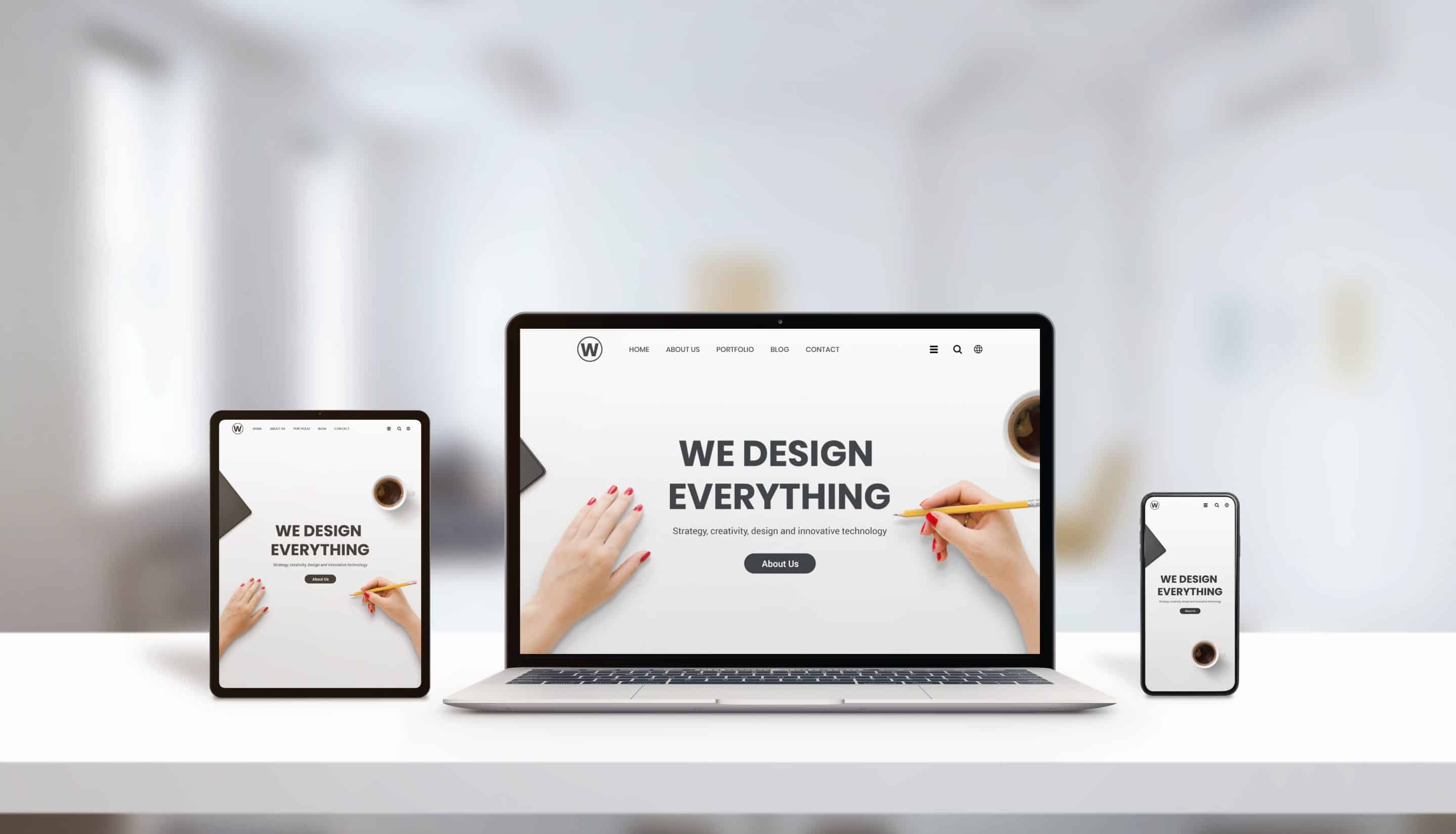
- Testing across devices (desktop, tablet, phone) and browsers
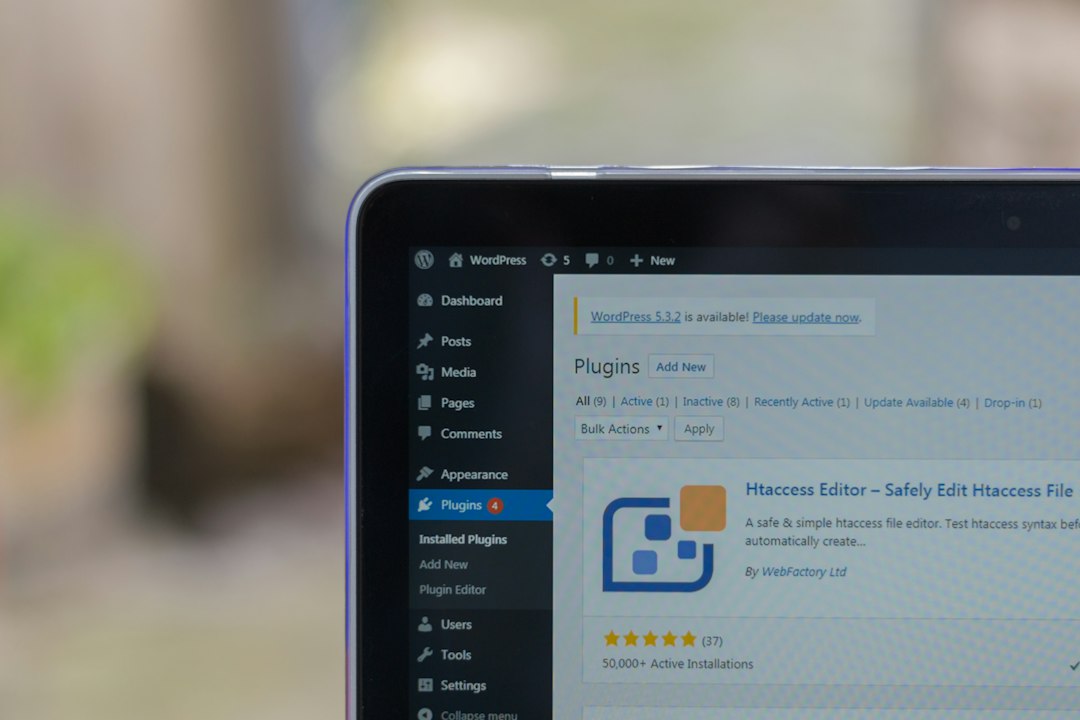
- Configuring plugins for SEO, security, performance, and any extra features
For example, if your new site needs to integrate with an email newsletter tool or booking software, the development team will set up and test these connections. You’ll be able to see and review the site on a test link before anything goes live.
What should you expect before and during launch?
Before and during launch, your team tests the new site, fixes any last-minute issues, and carefully switches everything over from your old site to the new one with minimal downtime.
- Thorough testing of every page, form, and integration
- Reviewing site speed and performance
- Final SEO checks (including redirects, metadata, and sitemaps)
- Client walkthrough and training on how to update content
- Scheduling the launch for a low-traffic time, if possible
- Coordinating domain and hosting changes if needed
You’ll get a chance to click through and approve the finished site. The launch is usually scheduled in advance, and your web team will be on standby to fix anything unexpected. A careful launch process ensures visitors reach your new site with little or no disruption.
What happens immediately after your redesigned site goes live?
Immediately after launch, your team monitors the site to catch any issues, ensures all features work correctly, and checks that search engines and visitors can access everything as expected.
- Real-time monitoring for errors, broken links, or missing images
- Testing all forms and interactive elements to confirm they work
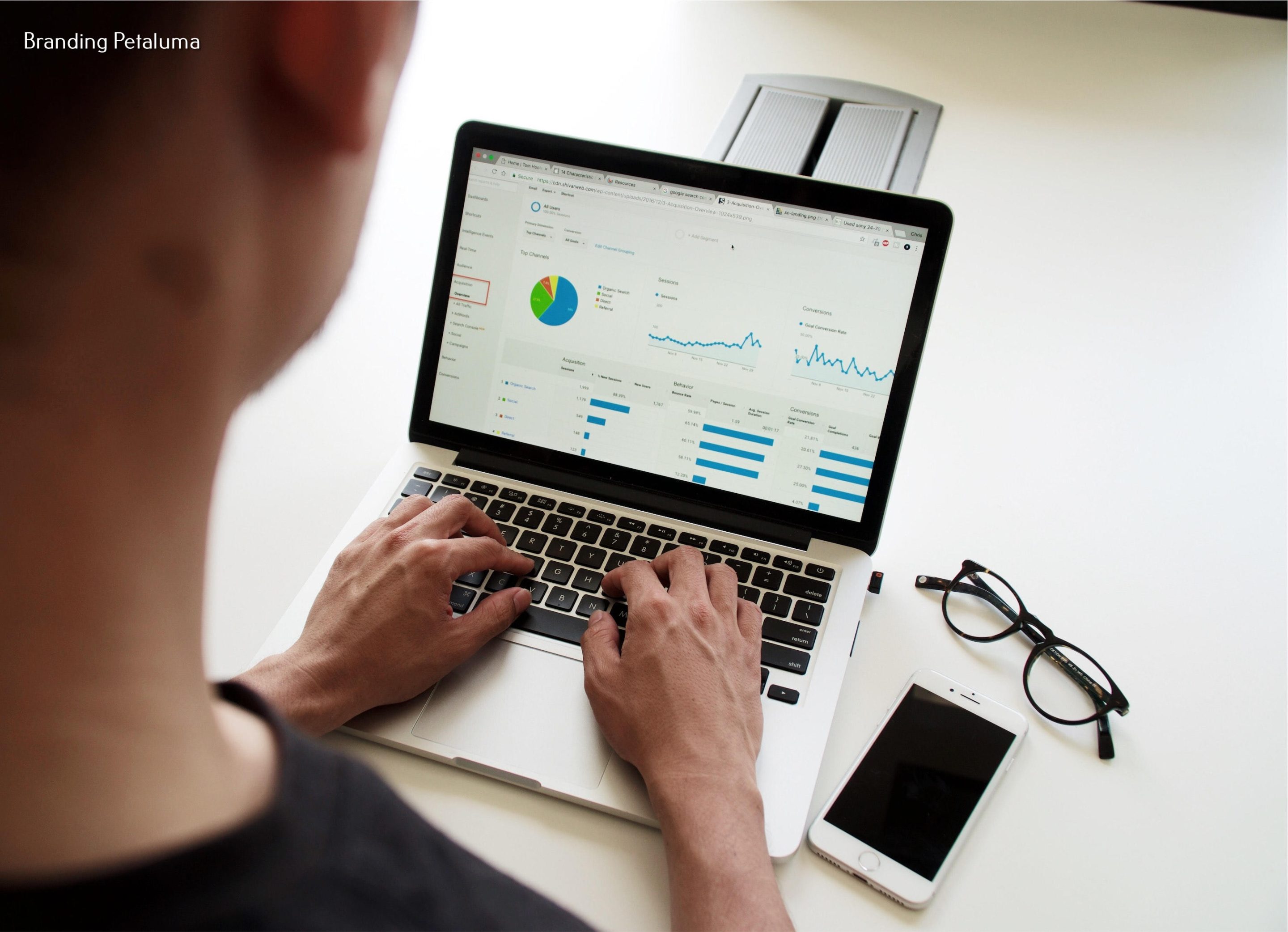
- Verifying that analytics and tracking tools are collecting data
- Submitting your new sitemap to Google and Bing
- Double-checking redirects from old URLs so visitors don’t get lost
- Immediate support for urgent questions or edits
This “post-launch” window is critical. If a customer finds a bug or you spot a typo, your web team can fix it quickly. RAD Web Marketing provides hands-on support during this time, ensuring your business makes a strong first impression with the new site.
How can you keep your redesigned WordPress site running smoothly long-term?
Long-term success depends on regular maintenance, updates, and ongoing improvements based on real user feedback and business needs.
- Regular WordPress and plugin updates to keep your site secure
- Backups scheduled daily or weekly
- Performance monitoring (site speed, uptime)
- Security scans for malware or vulnerabilities
- Fresh content updates—news, blog posts, photos, or team changes
- Periodic reviews of analytics to spot growth opportunities
- Seasonal or campaign-specific updates (for promotions or events)
Many business owners choose a monthly care plan so they don’t have to think about technical details. If you’d rather focus on running your business than learning WordPress, a local partner like RAD Web Marketing can handle updates, backups, and emergency fixes for you.
Ready to start your own redesign or have questions about the process? Call RAD Web Marketing at 707-205-3600 or visit us in downtown Petaluma. Your new website could be the smartest investment you make this year.

Frequently Asked Questions
What steps are involved in a custom WordPress website redesign process?
A custom WordPress website redesign typically includes discovery and strategy, design mockups, development, content migration, testing, and launch. Each stage is tailored to your business goals and user needs to ensure the final site is both attractive and effective.
How long does a custom WordPress redesign usually take?
A custom WordPress redesign can take anywhere from several weeks to a few months, depending on the complexity of your site and the features you need. Planning, feedback, and thorough testing are all part of the process to ensure a smooth launch.
Will my website experience downtime during the redesign?
Most professional web designers, like RAD Web Marketing, build your new site in a private staging area so your current site stays live during the redesign. The switch to the new version is typically quick, minimizing or eliminating downtime.
Can my existing content and SEO be preserved during a WordPress redesign?
Yes, your existing content and search engine rankings can usually be preserved by carefully migrating content and setting up proper redirects. Working with experienced designers ensures your website redesign does not hurt your SEO.
How do I get started with a custom WordPress redesign for my business?
To start your custom WordPress redesign, reach out to a professional agency like RAD Web Marketing to discuss your goals and challenges. You can contact them at 707-205-3600 or visit their website to request a consultation and outline your project needs.





























0 Comments