
The Myth of Visual Appeal in SEO
When it comes to why isnt my website ranking on google, why isn't my website ranking on Google despite its stunning visuals? This is a common dilemma faced by business owners who invest heavily in creating a beautiful online presence. While an aesthetically pleasing website can captivate visitors, it doesn't automatically guarantee better search engine rankings. Google's algorithms are more concerned with relevance and technical integrity than visual appeal. Understanding this can save you from the frustration of seeing your fancy website overlooked in search results.
Many assume that a sleek design equates to higher engagement and, consequently, better rankings. However, Google's primary focus is delivering relevant and useful content to users. A visually impressive site might grab attention but if it lacks substance, it won't convince Google's algorithms of its value. Google's crawlers don't see your site like a human does; they evaluate HTML, content, and how everything functions together.
Technical SEO: The Backbone Google Looks For
Technical SEO is the foundation upon which your website's visibility is built. Without it, even the most visually stunning site can remain invisible to search engines. Key technical aspects include site speed, mobile-friendliness, secure connections (HTTPS), and a clean, crawlable structure.
For instance, a slow-loading site can lead to higher bounce rates, signaling to Google that users aren't finding what they need. Similarly, a site that's not mobile-friendly will suffer since Google uses mobile-first indexing. Secure connections via HTTPS are now a basic requirement, with Google flagging non-HTTPS sites as insecure.
At RAD Web Marketing, our SEO services include comprehensive technical audits to ensure your site meets these critical standards. Addressing these technical aspects can prevent your site from being ignored by Google.
Content Relevance Over Design: What Google Prioritizes
Google's algorithms are designed to prioritize content that is relevant and useful to users. While a fancy design might catch the eye, it's the substance of your content that keeps Google interested. When creating content, focus on answering the questions your audience is asking and providing solutions to their problems.
High-quality content should be well-researched, original, and engaging. Incorporate keywords naturally, ensuring they fit seamlessly into the content. For example, if you're in the business of website design, your content should reflect industry insights, tips, and case studies that demonstrate your expertise.
Remember, it's not just about stuffing keywords into your content. Google is getting better at understanding context and intent, so value-driven content will always win over keyword-dense but shallow material.
The Role of Structured Data in Search Visibility
Structured data helps search engines understand your website's content more effectively, enhancing how your site is displayed in search results. Implementing structured data can lead to rich snippets, which make your listing more attractive and informative to users.
For instance, if you run a local business, implementing schema markup can help Google display your business hours, reviews, and other relevant information right in the search results. This visibility boost can be crucial for attracting local customers.
Many website platforms offer plugins or tools to help implement structured data without needing advanced coding skills. However, consulting professionals like RAD Web Marketing can ensure this is done correctly, enhancing your site's search visibility.
User Experience: Beyond Aesthetics
User experience (UX) encompasses more than just the visual appeal of a website. It includes site navigation, accessibility, and overall usability. Google tracks user behavior, such as how long they stay on your site and how many pages they visit, to gauge the quality of the UX.
Consider this: if users can't easily find what they're looking for, they are likely to leave quickly. This increases your bounce rate and signals to Google that your site might not be providing the best user experience. Simple improvements like intuitive menus, clear calls to action, and fast loading times can significantly enhance UX.
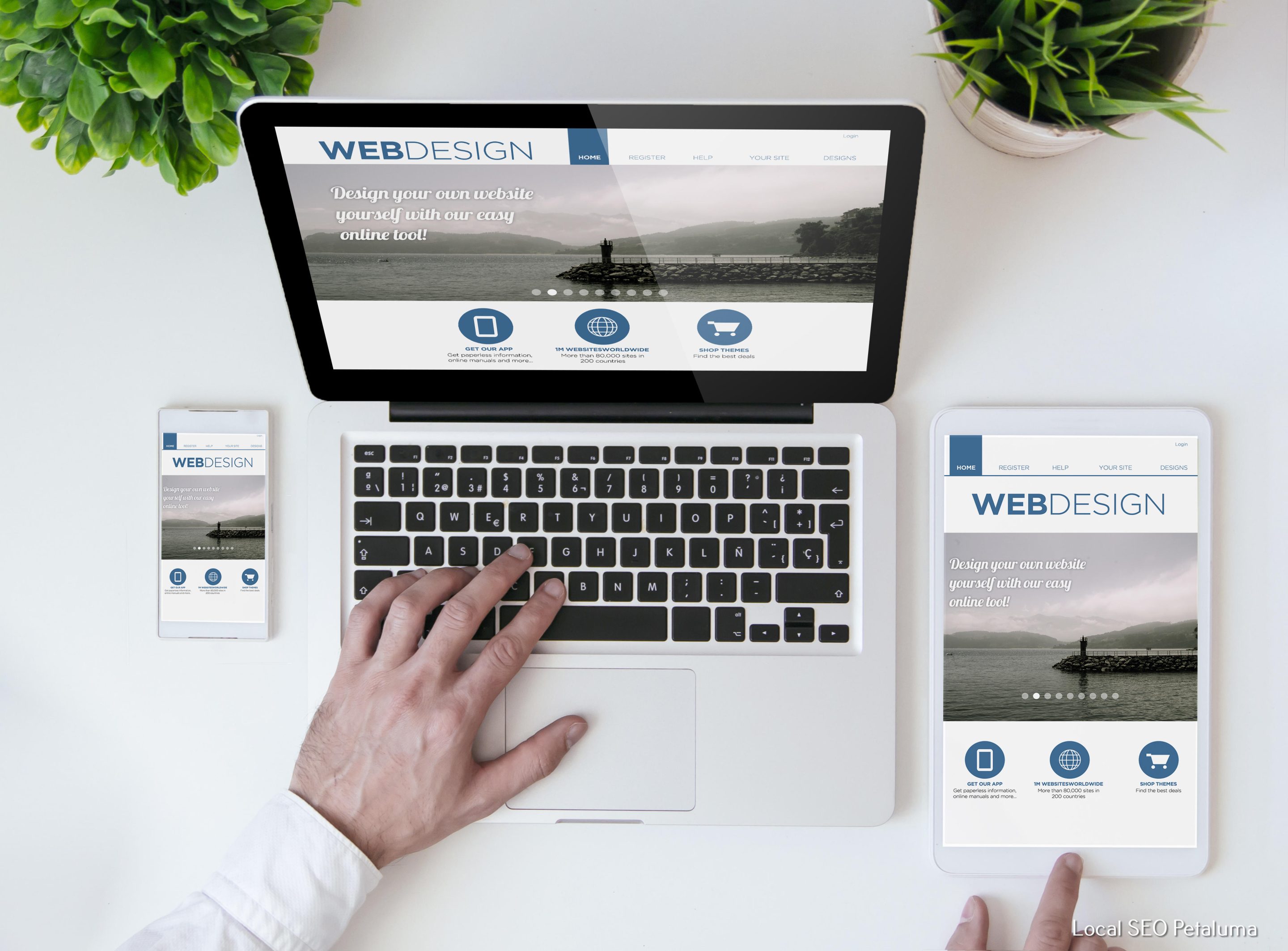
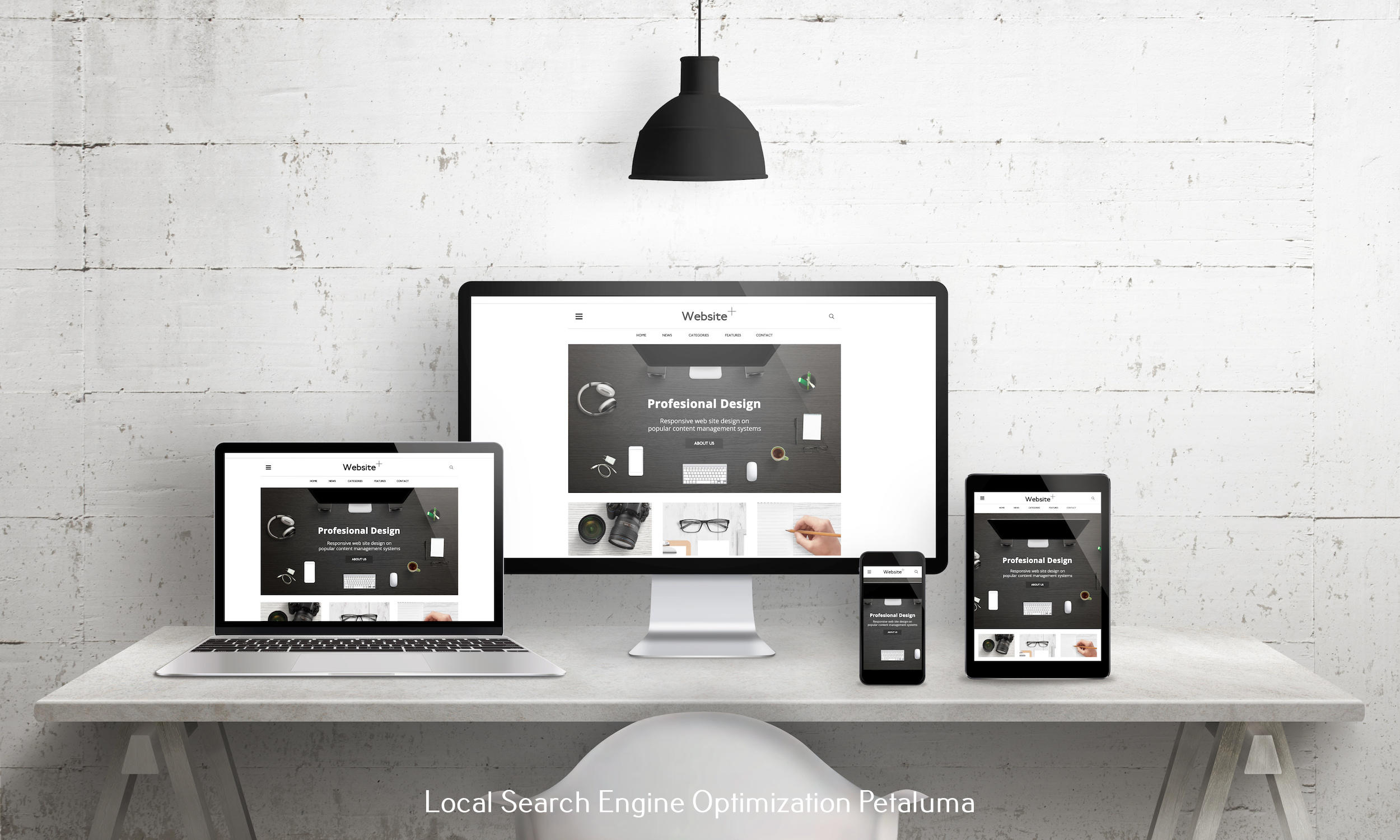
Good UX also means catering to mobile users. With a large percentage of users accessing websites via mobile devices, ensuring your site is responsive and easy to navigate on smaller screens is critical.
Backlink Profile: A Key Factor Ignoring Your Design
Backlinks, or links from other websites to yours, are a significant factor in Google's ranking algorithm. A robust backlink profile can boost your site's credibility and visibility, regardless of its design.
Quality matters more than quantity when it comes to backlinks. Links from authoritative, relevant sites hold more weight and can significantly improve your site's ranking. Building a strong backlink profile involves creating valuable content that others want to link to and reaching out to industry peers for collaboration opportunities.
For instance, if your business specializes in small business website redesign, publishing articles or guides on this topic can attract links from industry blogs and forums. This strategy not only improves your ranking but also establishes your authority in the field.
Common Design Flaws Affecting SEO
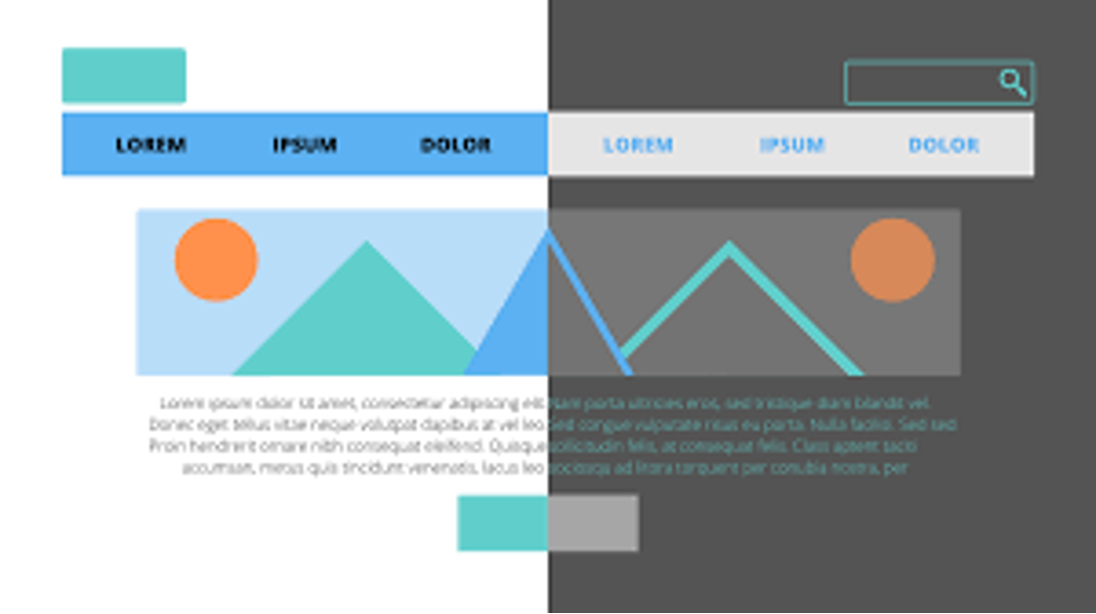
Even the most attractive websites can suffer from design flaws that negatively impact SEO. Common issues include excessive use of large images or videos that slow down load times, poor text-to-background contrast making content hard to read, and non-responsive designs.
Another frequent problem is the use of complex animations or scripts that hinder site performance. While these elements might look impressive, they can cause longer load times and compatibility issues on different devices.
Ensuring your website is accessible and performs well involves regular website maintenance. Regular audits can identify and rectify design flaws, keeping your site in top shape for both users and search engines.
Case Study: Transforming a Fancy Website's SEO Performance
Consider a business that invested heavily in a beautifully designed website but saw little improvement in search rankings. By focusing on technical SEO, content optimization, and user experience, RAD Web Marketing helped transform their online presence.
Initially, the site had a slow load time and lacked mobile optimization. We conducted a thorough website SEO audit to identify these technical issues. By optimizing images, enhancing mobile responsiveness, and implementing structured data, we improved load times and search visibility.
We also revamped the content strategy by focusing on creating relevant, high-quality content that answered users' queries. This approach not only improved user engagement but also increased the site's authority, leading to a boost in organic traffic.
Actionable Steps to Align Design with SEO
- Conduct a Technical SEO Audit: Identify and fix issues such as site speed, mobile-friendliness, and security.
- Optimize Content for Relevance: Focus on creating valuable content that addresses user needs and naturally incorporates keywords.
- Implement Structured Data: Use schema markup to enhance search visibility.
- Enhance User Experience: Improve site navigation, accessibility, and mobile responsiveness.
- Build a Strong Backlink Profile: Focus on obtaining quality backlinks from relevant and authoritative sites.
- Regularly Maintain Your Website: Perform routine checks to ensure optimal performance and address any emerging issues.
By following these steps, you can ensure that your website's design complements its SEO efforts, rather than hindering them. For tailored guidance and support, contact RAD Web Marketing at 707-205-3600 for a free marketing consultation or website review. Our team is dedicated to ensuring your site is both visually appealing and search engine optimized.
For more tips on improving your website’s performance and visibility, consider researching trusted resources such as the FTC's Business Blog, which offers insights into maintaining a compliant and effective online presence.
Frequently Asked Questions
Why isn't my visually stunning website ranking on Google?
Even though your website is visually appealing, Google prioritizes relevant content and technical SEO aspects over aesthetics. Focus on improving your content's relevance and ensuring your site is technically sound to enhance your rankings.
How can technical SEO improve my website's ranking?
Technical SEO involves optimizing elements like site speed, mobile-friendliness, secure connections, and a clean site structure. Ensuring these aspects are in place can significantly improve your website's visibility on Google.
What role does site speed play in Google rankings?
Site speed is crucial as slow-loading websites can lead to higher bounce rates, which signal to Google that users aren't satisfied. Optimize your site speed to improve user experience and potentially boost your rankings.
Does having a mobile-friendly website affect my Google ranking?
Yes, Google considers mobile-friendliness a critical factor in its ranking algorithms. Ensure your website is responsive and functions well on mobile devices to improve your chances of ranking higher.
Can RAD Web Marketing help improve my website's SEO?
Absolutely! If you're struggling with SEO, contact RAD Web Marketing at 707-205-3600 for expert assistance in web design, SEO, and digital marketing to boost your site's visibility.







































0 Comments