

Nowadays, with the rise of technology, a mobile-first website design is essential for businesses seeking to enhance their online presence. With mobile devices accounting for over half of all internet traffic, organizations must prioritize mobile optimization to remain relevant and competitive. Many businesses face challenges in providing an engaging and efficient user experience on mobile platforms, often leading to high bounce rates and lost customer opportunities. Addressing these challenges through a mobile-first approach can be vital for driving user engagement, increasing conversion rates, and optimizing search engine visibility.
At RAD Web Marketing in Petaluma, CA, the focus is on developing websites that meet the demands of modern consumers. A mobile-first design strategy not only improves the overall user experience but also positively impacts search engine rankings. Companies that invest in this approach position themselves to attract and retain customers effectively while paving the way for long-term success in an increasingly mobile-dominated landscape.
What Is Mobile-First Design?
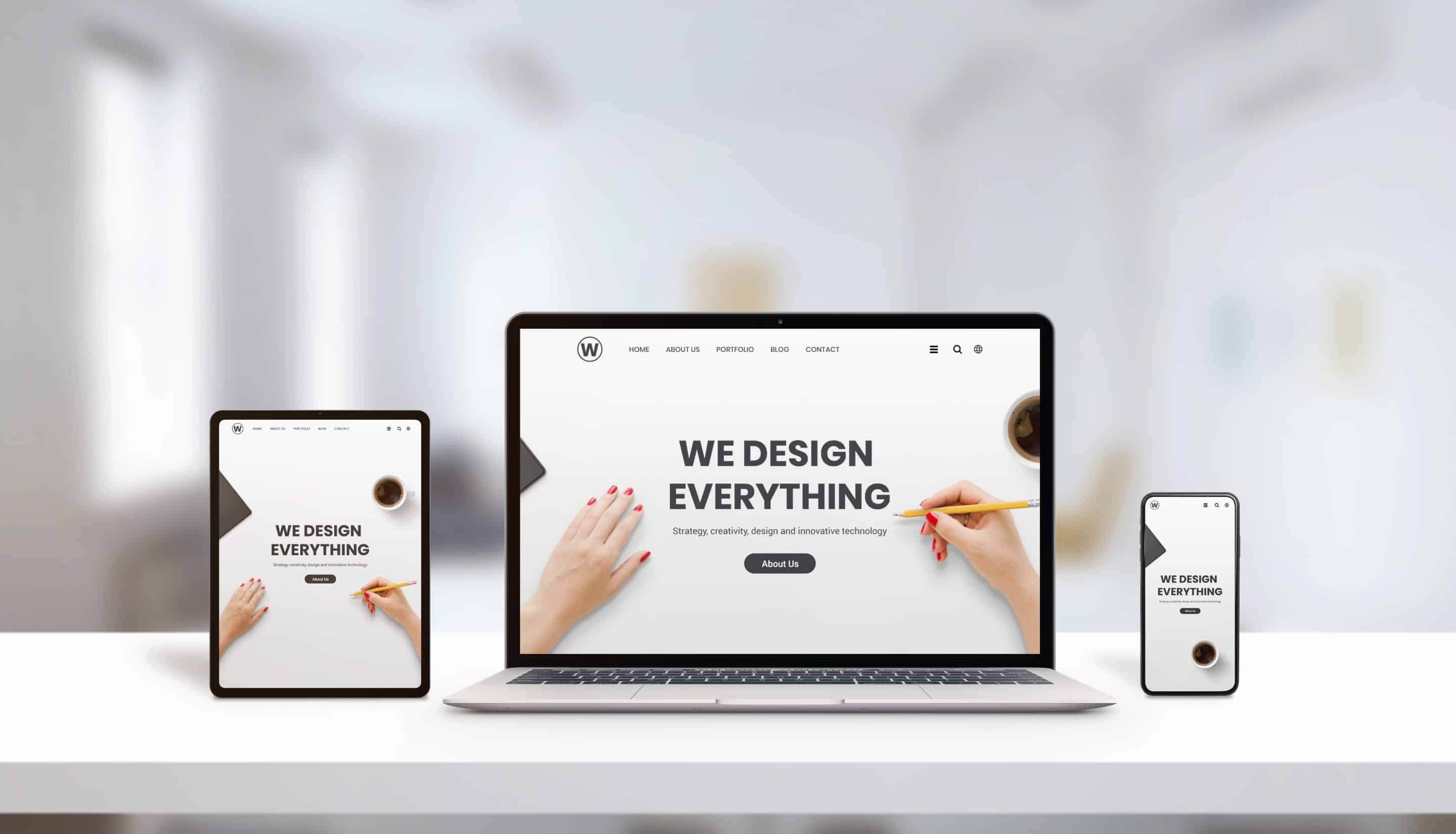
A responsive design approach known as “mobile-first design” involves creating websites primarily for mobile devices and then modifying them for larger screens. This method concentrates on making websites mobile-friendly from the very beginning of their creation. Rethinking content and interface design to prioritize the demands and behaviors of mobile users is a key component of adopting a mobile-first design, which goes beyond just adapting desktop content for mobile devices.
In order to build websites that are completely optimized for mobile users and provide an outstanding browsing experience that satisfies the needs of today's digital landscape, we at RAD Web Marketing employ mobile-first design concepts.
Why Mobile-First Design Matters
Growing Mobile Usage
Recent studies indicate that over 60% of internet users access websites through mobile devices. This trend highlights the necessity for businesses to adapt their online strategies to cater to mobile users. Ignoring mobile optimization results in losing potential customers who are increasingly reliant on smartphones and tablets for their online interactions. Companies that do not prioritize mobile design may find themselves at a disadvantage, potentially sacrificing valuable market share to competitors who recognize the importance of mobile accessibility.
Improved User Experience
By offering a simple interface tailored to mobile users, mobile-first design enhances navigation. This method simplifies how users navigate your website, making it simpler to obtain information and carry out required tasks. User satisfaction and repeat business are increased by a smooth user experience, which strengthens brand loyalty. Businesses can improve client retention by giving mobile design top priority and developing an engaging environment that satisfies mobile customers' expectations.
Search Engine Optimization Advantages
Websites that are optimized for mobile devices are given preference in search engine ranking algorithms, especially by Google. Better search engine rankings might emerge from a mobile-first design, which will make it simpler for prospective clients to find your company. In addition to enhancing user experience, mobile optimization complies with search engine standards, which may increase organic traffic. Businesses that use this strategy will gain more search engine visibility, which will help them compete more successfully in their respective marketplaces.
Benefits of Mobile-First Design
Enhanced User Experience
An effective mobile-first design leads to a greatly enhanced user experience, focusing on what matters most to mobile users. The layout of a mobile-optimized website is tailored specifically for smaller screens, ensuring that content is easily readable and visually appealing. This dedicated approach leads to increased user satisfaction and encourages longer visits, promoting brand loyalty.
Simplified Navigation
Mobile users appreciate simplicity in navigation. A mobile-first website typically features streamlined navigation that allows users to move through the site easily. Menus are often simplified, providing essential options that guide users to their desired content without unnecessary distraction. This approach can substantially reduce bounce rates, as users are more inclined to stay engaged when they can find what they need quickly.
Faster Load Times
The mobile-first design emphasizes performance by optimizing websites to load quickly on mobile devices. Fast page loading times are critical for retaining visitors; a study by Google indicates that 53% of mobile users will abandon a page that takes longer than three seconds to load. By prioritizing speed in mobile design, businesses can improve user satisfaction and reduce the risk of lost traffic.
Higher Conversion Rates
Optimized Calls-to-Action
In mobile-first designs, calls to action (CTAs) are presented prominently and accessible. This focus on actionable elements encourages users to take important steps, whether that involves making purchases, filling out forms, or subscribing to newsletters. Well-placed and engaging CTAs contribute to improved conversion rates on mobile devices.
Less Friction
Mobile-first design reduces friction by eliminating unnecessary content and focusing on essential actions. By simplifying the browsing experience and minimizing the number of clicks required to achieve a task, users are more likely to complete desired actions. A frictionless experience often leads to increased conversions, as users appreciate the straightforward process of engaging with the site.
Improved SEO Performance
Mobile-First Indexing
With Google adopting mobile-first indexing, the search engine primarily uses the mobile version of a website for indexing and ranking purposes. This shift makes mobile optimization essential for businesses that want to compete effectively in search results. Websites that perform well on mobile are likely to rank higher, leading to increased visibility and organic traffic.
Local SEO Services
For businesses that rely on local customers, mobile-first design plays a vital role in supporting local SEO efforts. Mobile searches frequently include “near me” queries and a well-optimized mobile site effectively connects local businesses with potential customers searching for nearby services. This connection can increase foot traffic and drive more conversions for businesses operating in localized markets.
Enhanced Content Strategy
Focused Content Delivery
Mobile-first websites promote a more thoughtful approach to content delivery. By emphasizing concise, impactful messaging that resonates with mobile users, businesses can enhance customer engagement. A focused content strategy is beneficial for professional SEO services, ensuring that the right messages reach the right audience effectively.
Improved Multimedia Experience
Mobile-first design accommodates the limitations of mobile devices regarding screen size and bandwidth. Optimized websites present images and videos in formats that load quickly while still displaying effectively. This optimization enriches the user experience, allowing businesses to engage users with high-quality multimedia content without sacrificing speed.
Implementing Mobile-First Design
Start with Research
Before modifying your website, it is essential to understand your target audience's behavior. Utilize analytics to assess how many users access your site via mobile devices. This data will inform your mobile-first design strategy.
Choose a Responsive Theme
If you're using a content management system (CMS) like WordPress, select a responsive theme that automatically adjusts for different screen sizes. This approach simplifies the transition to a mobile-first website. Make certain that the theme you choose supports the features you want to implement, such as customizable menus and optimized image sizes.
Focus on Navigation
Simplify your navigation by using clear labels and an easy-to-use menu structure. Avoid cluttering the mobile interface with too many options. A well-structured menu helps users find their way around your site quickly.
Optimize Images and Media
Images are often the largest files on a website. Make sure to use compressed images to reduce load times while maintaining quality. Implement responsive images that adapt to the user’s screen size and orientation.
Test Your Website Performance
Once you’ve made changes, use tools such as Google PageSpeed Insights to measure your site's performance on mobile devices. Regular testing will help identify specific areas that may need improvement.
Evaluate User Engagement
Monitor user behavior and engagement metrics using analytics software to understand how visitors interact with your mobile site. Track key performance indicators (KPIs) such as bounce rates, time on site, and conversion rates to assess the effectiveness of your mobile-first design.
Case Studies of Successful Mobile-First Design
Example 1: Online merchant
Faster checkout procedures and simplified product categories were among the mobile-first design modifications made by an online shop. They observed a 25% drop in abandoned carts and a 30% boost in mobile conversion rates following the debut of the new design.
Example 2: Provider of Local Services
To improve search exposure, a nearby service provider concentrated on mobile optimization. They added location-based material and click-to-call buttons to their revamped website. As a result, their mobile site witnessed a 50% increase in planned service appointments and a 40% increase in local search traffic.
Common Pitfalls to Avoid
Ignoring Content Priorities
One common mistake is failing to prioritize content effectively. Businesses must recognize that mobile users often seek quick information and do not have the patience to sift through lengthy articles. Focus on presenting the most critical information prominently.
Neglecting Mobile Testing
Ongoing testing on various devices is essential. Always make sure that your site performs well across different operating systems and screen sizes. Regular updates and adjustments will help maintain mobile usability.

How Professional SEO Services Help
In order to improve a company's online presence and increase organic traffic to its website, professional SEO services are essential. These services cover a variety of tactics and methods intended to raise search engine ranks. The knowledge that a professional search engine optimization firm brings to the table is one of the main advantages of using them. Because they are well-versed in search engine algorithms and best practices, these professionals can identify the best keywords for your sector, optimize website content, and improve overall site structure. This focused strategy makes sure that search engines can find your website with ease, which can result in a notable boost in website traffic.
Additionally, professional SEO services offer ongoing analysis and monitoring of your website's performance. This involves tracking key performance indicators (KPIs), such as organic traffic sources, bounce rates, and conversion rates. By regularly evaluating these metrics, SEO specialists can make data-driven adjustments to strategies, ensuring continuous improvement in search rankings. They also provide valuable insights into competitors' strategies, helping businesses stay ahead in their respective markets. Ultimately, investing in professional SEO services can lead to higher brand visibility, more effective user engagement, and improved ROI, making it a critical component of any successful digital marketing strategy.
As a top supplier of SEO services, RAD Web Marketing stands out for providing solutions that are customized to each client's particular requirements. Our committed team of SEO experts uses industry best practices to increase the efficacy and visibility of your website. Whether they are tiny local businesses or major corporations, clients gain from customized tactics that support their business objectives. In addition to serving clients locally in California, such as the North Bay, Marin County, Sonoma County, Napa County, Petaluma, Santa Rosa, Rohnert Park, San Rafael, and Novato, we at RAD Web Marketing also service clients around the country. Businesses may anticipate professional advice and assistance throughout their SEO journey by selecting RAD Web Marketing, which will guarantee their long-term success in the digital sphere.
Mobile-Optimized Website: SEO & Engagement
A mobile-first website design plays a vital role in improving user experience and enhancing SEO performance. By focusing on the specific needs of mobile users, businesses can substantially boost customer engagement, conversion rates, and search visibility. At RAD Web Marketing, we provide professional SEO services and local SEO services tailored to help businesses succeed in today’s mobile-centric landscape. By adopting a mobile-first strategy, organizations can position themselves for long-term growth and adaptability in a continually evolving digital universe.
If your business is ready to take the next step in optimizing your website, consider working with RAD Web Marketing in Petaluma, CA, to create a mobile-first design that enhances user experience while driving results from your SEO efforts. For more information, contact us at (707) 205-3600 or via email at ashley@radwebmarketing.com.




































0 Comments