

Personal branding isn’t just a buzzword; it’s a powerful tool that small business owners can leverage to set themselves apart in a crowded marketplace. As a small business owner, your personal brand is an extension of your business identity. It reflects your values, expertise, and the unique qualities that make your business stand out. In this article, we’ll explore the power of personal branding and how it can significantly impact your business’s success. You’ll learn practical strategies for building a compelling personal brand that resonates with your target audience and drives growth.
Understanding Personal Branding
Personal branding is the process of managing and optimizing the way you are perceived by others. It’s about crafting a narrative that reflects who you are, what you stand for, and how you contribute value. This narrative helps establish a connection with your audience, making you a relatable and trustworthy figure.
For small business owners, personal branding is crucial because it allows you to become the face of your company. Your personal brand humanizes your business, establishing an emotional connection with customers. This connection is particularly important in today’s digital age, where consumers are looking for authenticity and transparency.
Consider the example of Elon Musk, whose personal brand is intricately tied to the success of his companies. His innovative persona bolsters the public’s perception of his businesses as groundbreaking and forward-thinking. While not everyone needs to emulate Musk’s approach, understanding the impact of a personal brand can guide you in shaping your own.
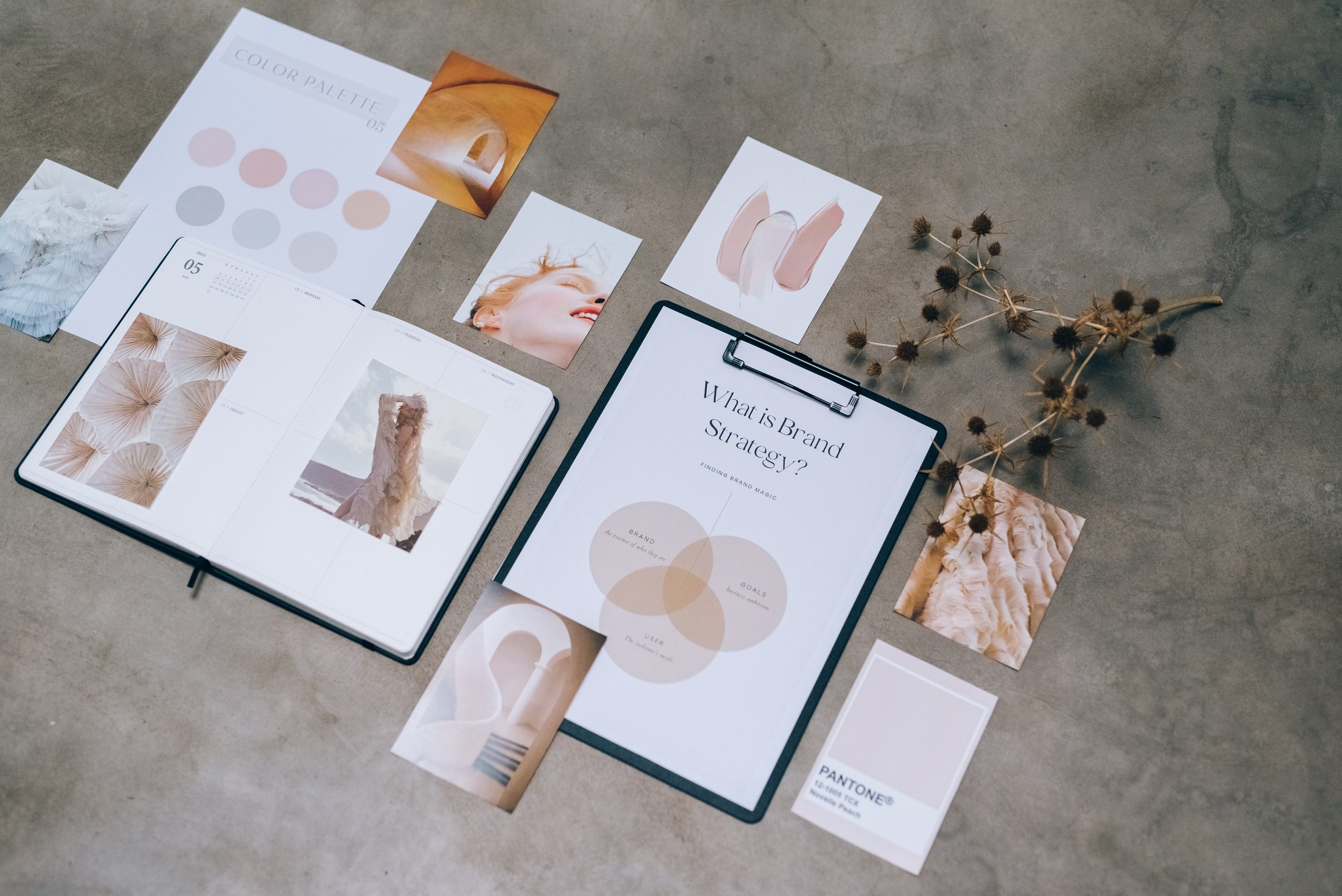
To start, identify your core values and what makes your business unique. Reflect these elements in your messaging, whether it’s through social media, your website, or public appearances. Consistency is key in building a strong personal brand. Align your branding and design with your personal brand to create a cohesive image that resonates with your audience.
The Role of Social Media in Personal Branding
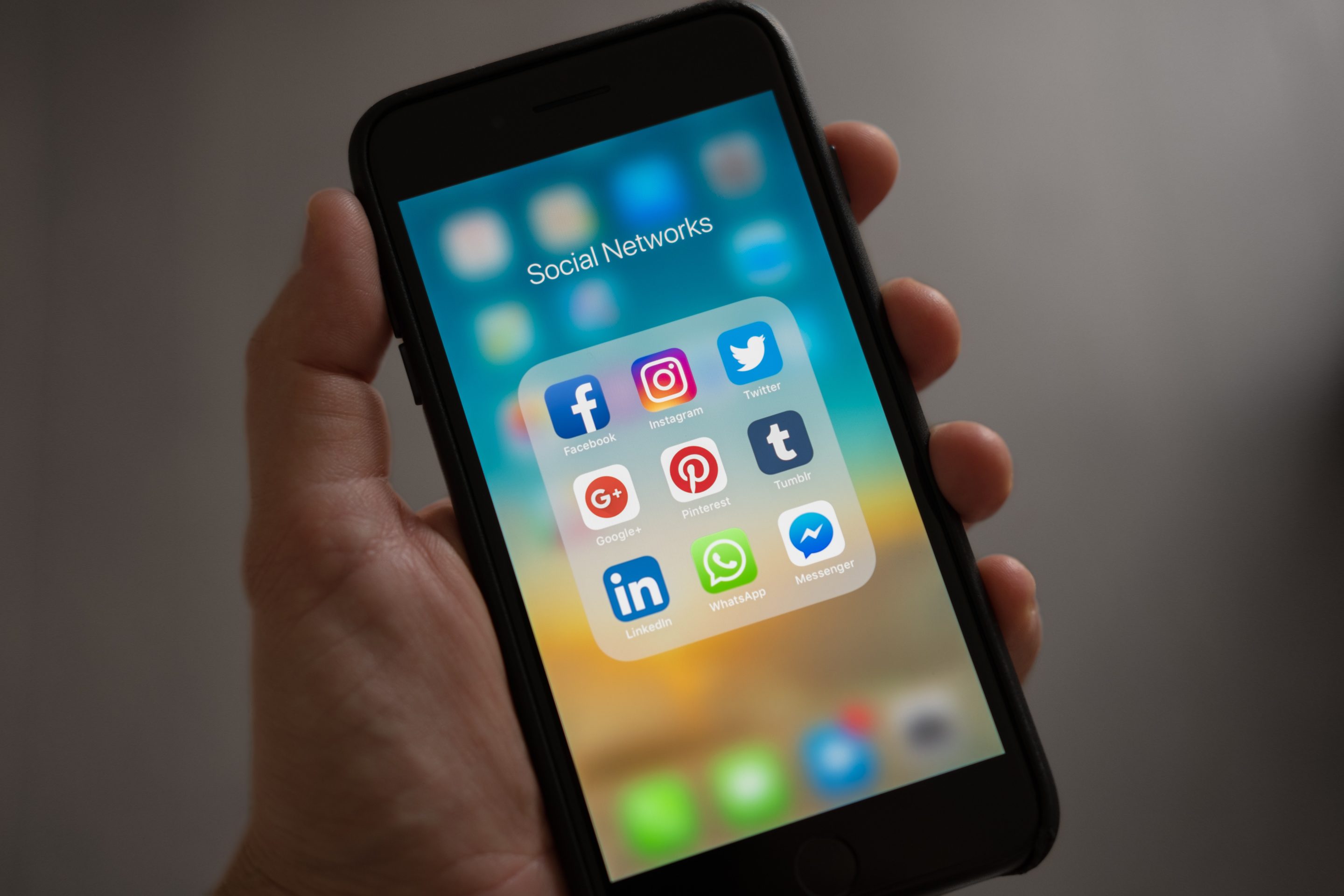
Social media platforms offer an excellent opportunity for small business owners to develop and showcase their personal brand. With billions of users worldwide, platforms like LinkedIn, Instagram, and Twitter provide a vast audience that you can engage with directly.
Each platform serves a different purpose and audience, so it’s essential to tailor your content accordingly. For instance, LinkedIn is ideal for sharing professional insights and connecting with industry peers, while Instagram can be used to showcase the more personal, behind-the-scenes aspects of your business.
One key strategy is to share content that reflects your expertise and passions. By doing so, you position yourself as an authority in your field, which can lead to increased trust and credibility. Moreover, engaging with your audience by responding to comments and messages fosters a sense of community and accessibility.
Take the example of Gary Vaynerchuk, a prominent entrepreneur known for his active social media presence. Vaynerchuk uses platforms like Instagram and Twitter to share valuable business insights and motivational content, solidifying his personal brand as a thought leader.
Remember, social media is not just about broadcasting your message. It’s a two-way communication channel that allows you to listen to your audience’s needs and preferences. Use this feedback to refine your personal brand and enhance your business offerings.
Building Trust Through Authenticity
Authenticity is the cornerstone of a successful personal brand. In an era where consumers are increasingly skeptical of traditional advertising, authenticity can set you apart from the competition. Being genuine in your interactions and communications fosters trust, which is essential for building lasting relationships with customers.
One way to convey authenticity is by sharing your personal journey and the story behind your business. This narrative gives your audience insight into your motivations and the values that drive your business decisions. For example, if your company focuses on sustainable practices, sharing your commitment to environmental conservation can resonate with like-minded consumers.
Consider the case of Pat Flynn, an entrepreneur known for his transparency and honesty. By openly sharing his business successes and failures, Flynn has built a loyal following that appreciates his authenticity. This approach has not only strengthened his personal brand but also contributed to the growth of his business.
To maintain authenticity, ensure that your branding and design reflect your true self. Avoid adopting trends that don’t align with your core values, as this can lead to a disconnect with your audience. Instead, focus on creating a brand strategy development that is true to who you are and what your business represents.
Leveraging Personal Branding for Business Growth
Personal branding can be a powerful driver of business growth. By establishing yourself as a recognizable and trustworthy figure, you create opportunities for increased visibility and customer loyalty. Here are some strategies to leverage your personal brand for business success:
- Networking: Your personal brand can open doors to valuable connections in your industry. Attend events and engage with peers to expand your network and create opportunities for collaboration.
- Storytelling: Use storytelling to create an emotional connection with your audience. Share anecdotes that highlight your experiences and the lessons you’ve learned along the way.
- Thought Leadership: Position yourself as a thought leader by sharing your insights and expertise through blogs, podcasts, or speaking engagements. This approach can enhance your credibility and attract new customers.
- Customer Engagement: Engage with your customers by responding to their inquiries and feedback. This interaction demonstrates your commitment to customer satisfaction and strengthens your brand’s reputation.
By effectively leveraging your personal brand, you can create a strong foundation for business growth. Ensure that your brand strategy development aligns with your business goals, and continuously refine your approach to meet the changing needs of your audience.
Conclusion
Personal branding is a powerful tool that small business owners can use to differentiate themselves and connect with their audience. By understanding the importance of personal branding, utilizing social media effectively, and maintaining authenticity, you can build a strong personal brand that drives business growth. Remember, your personal brand is an extension of your business, so invest the time and effort to cultivate a brand that reflects your values and resonates with your target audience. As you develop your personal brand, consider how it aligns with your overall brand strategy development and business goals. By doing so, you’ll be well-positioned to achieve long-term success.




































0 Comments