

In today's digital landscape, the importance of mobile-first design cannot be overstated. With the majority of users accessing websites via mobile devices, ensuring that your website is optimized for these users is crucial. Mobile-first design is a strategy that prioritizes the mobile user experience, making it an essential component of responsive web design. This approach not only enhances user satisfaction but also plays a vital role in search engine optimization (SEO). Throughout this article, we will explore why mobile-first design is indispensable for modern websites and how it can be effectively implemented to improve overall user experience and website performance.
The Rise of Mobile Usage
Mobile device usage has skyrocketed over the past decade, drastically changing how people access online content. Statistics show that more than half of global website traffic now comes from mobile devices. This shift has prompted businesses to rethink their web design strategies to cater to this growing audience.
When users visit a website on their mobile device, they expect a seamless experience comparable to what they would have on a desktop. This expectation includes fast loading times, easy navigation, and content that fits well on smaller screens. Websites that fail to deliver a mobile-friendly experience risk losing potential customers to competitors who have optimized their sites accordingly.
One real-world example is the travel industry, where mobile bookings have become increasingly common. Companies that have embraced mobile-first design have seen significant improvements in conversion rates. By prioritizing mobile users, these businesses ensure that their websites are accessible and user-friendly, leading to higher customer satisfaction and increased sales.
Furthermore, mobile-first design is not just about aesthetics; it plays a crucial role in SEO. Search engines prioritize mobile-friendly websites in their rankings, making it essential for businesses to adopt a mobile-first approach to remain competitive in search results. This shift in search engine algorithms underscores the importance of mobile-first design for businesses looking to enhance their online presence.
Understanding Mobile-First Design
Mobile-first design is a strategy that begins with designing for the smallest screen first and then gradually enhancing the design for larger screens. This approach ensures that the core functionalities and essential content are accessible and optimized for mobile users. By starting with the mobile experience, designers can focus on the most critical elements, which helps streamline the overall design process.
Implementing mobile-first design involves several key principles. First, prioritize content by displaying the most important information prominently. This approach helps users quickly find what they are looking for without scrolling endlessly through unnecessary content. Additionally, navigation should be intuitive and straightforward, allowing users to move through the site effortlessly.
Another essential aspect of mobile-first design is touch-friendly elements. Since mobile users interact with websites through touchscreens, buttons and links should be large enough for easy tapping. This consideration not only improves user experience but also reduces frustration and bounce rates.
For example, e-commerce websites often incorporate mobile-first design principles to enhance the shopping experience. By simplifying the checkout process and ensuring product images and descriptions are clear on small screens, these sites can increase conversion rates and reduce cart abandonment. This focus on mobile optimization is crucial for any business looking to improve its digital graphic design and drive sales.
Benefits of Mobile-First Design for Businesses
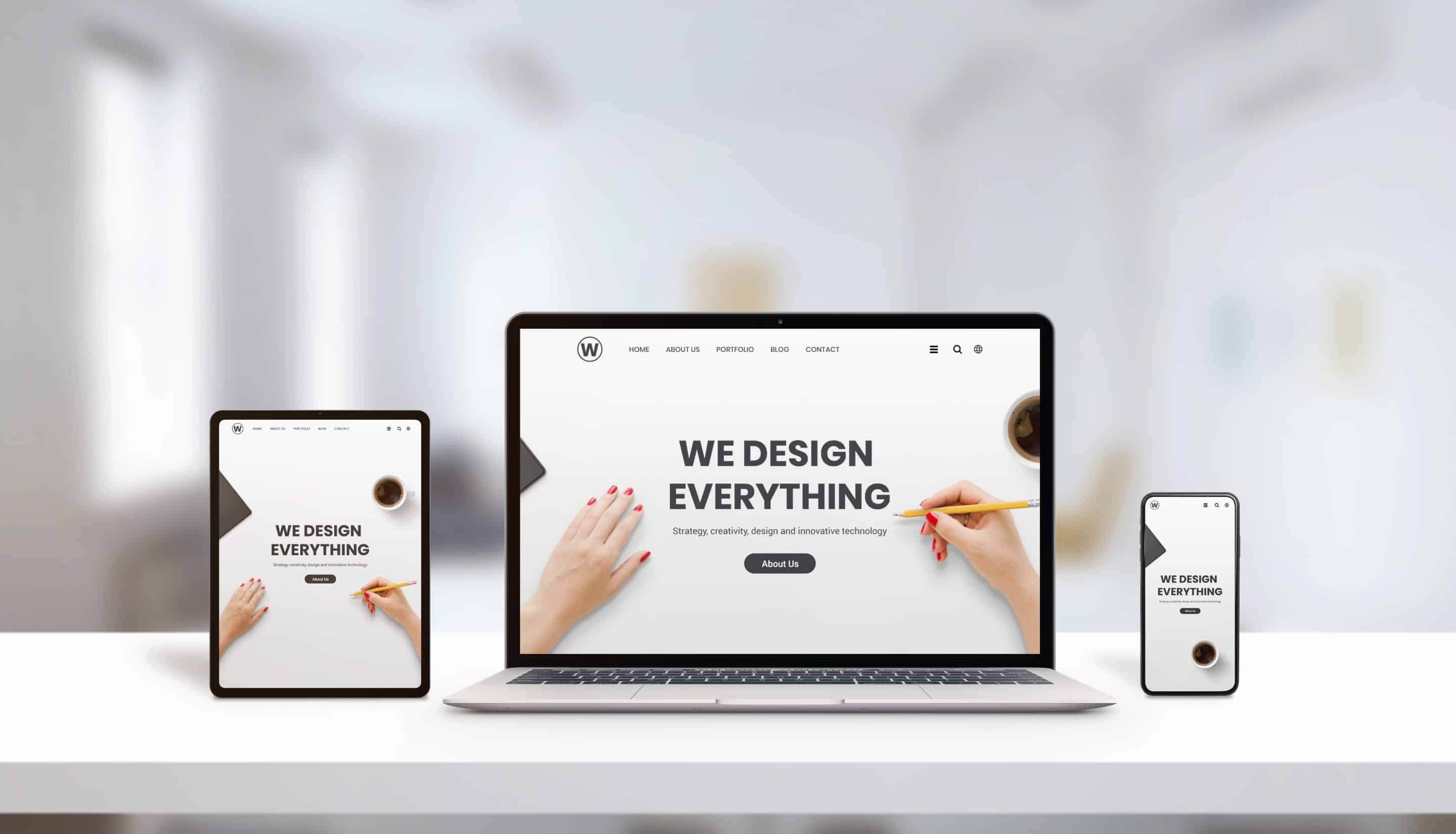
Adopting a mobile-first design approach offers numerous benefits for businesses. Firstly, it leads to improved user experience, which is paramount in retaining visitors and converting them into customers. A website that loads quickly and functions smoothly on mobile devices is more likely to engage users and encourage them to explore further.
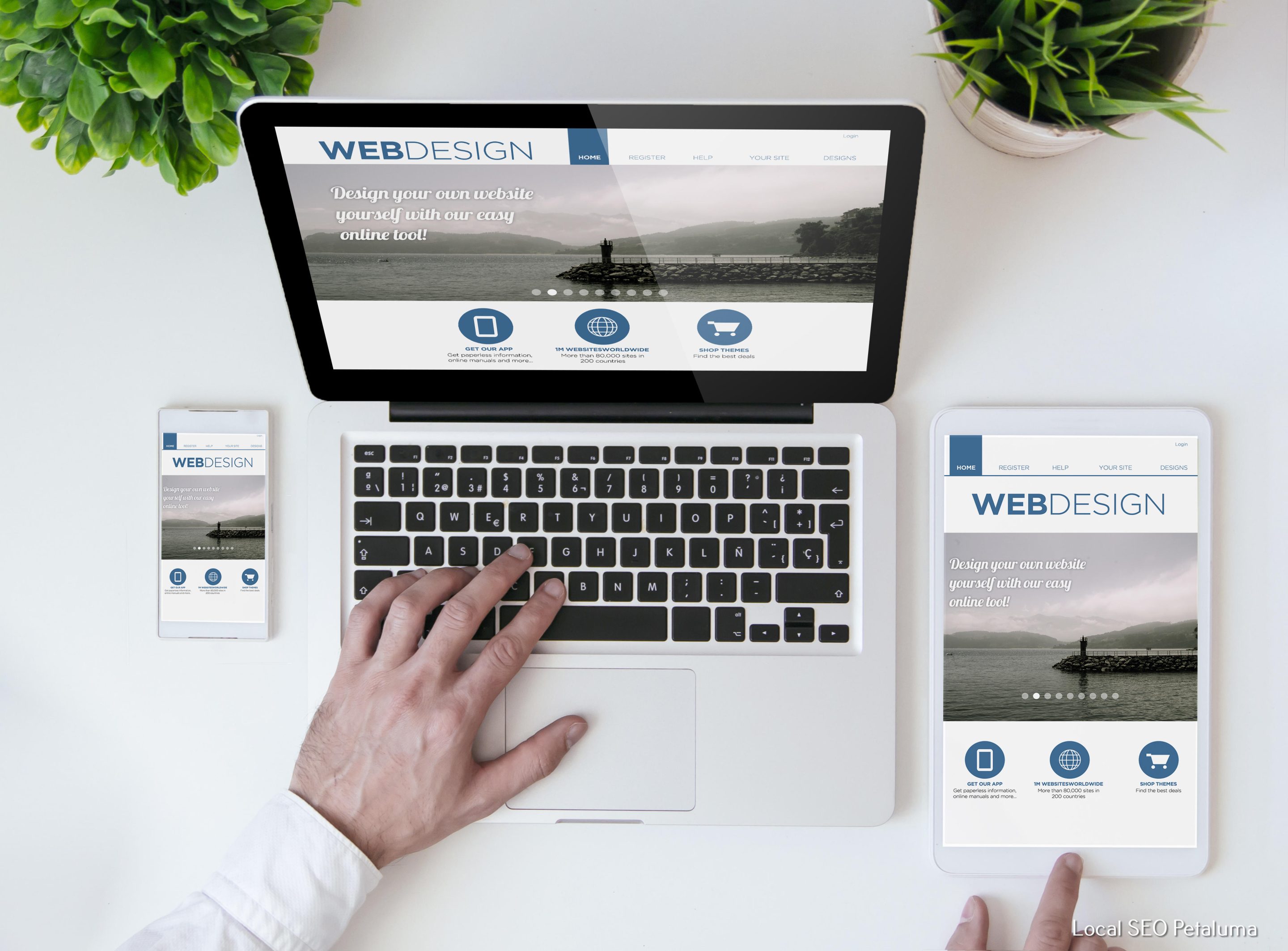
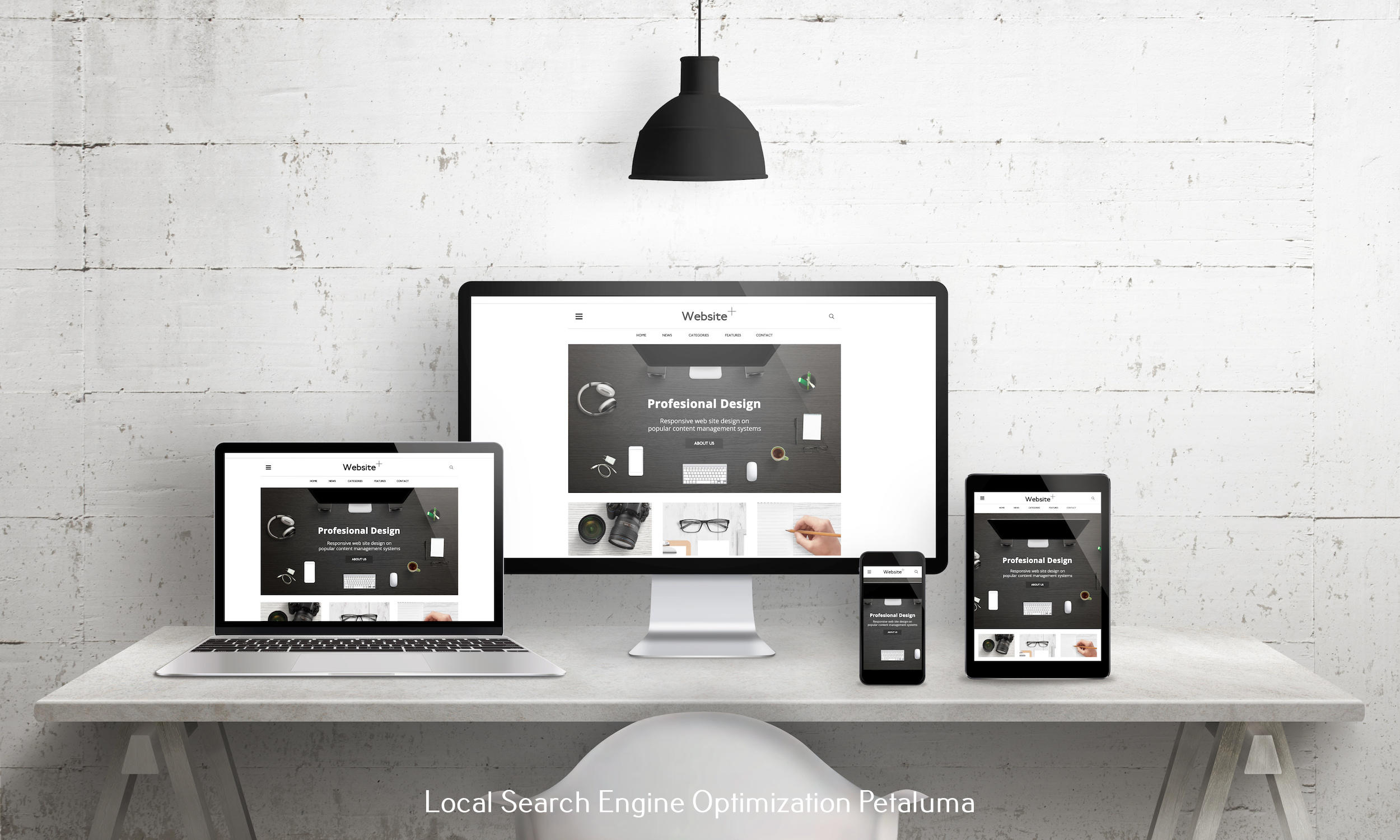
Secondly, mobile-first design enhances SEO performance. Search engines like Google use mobile-first indexing, meaning they predominantly use the mobile version of the content for ranking and indexing. By ensuring your site is mobile-friendly, you increase the chances of higher rankings, leading to greater visibility and more organic traffic.
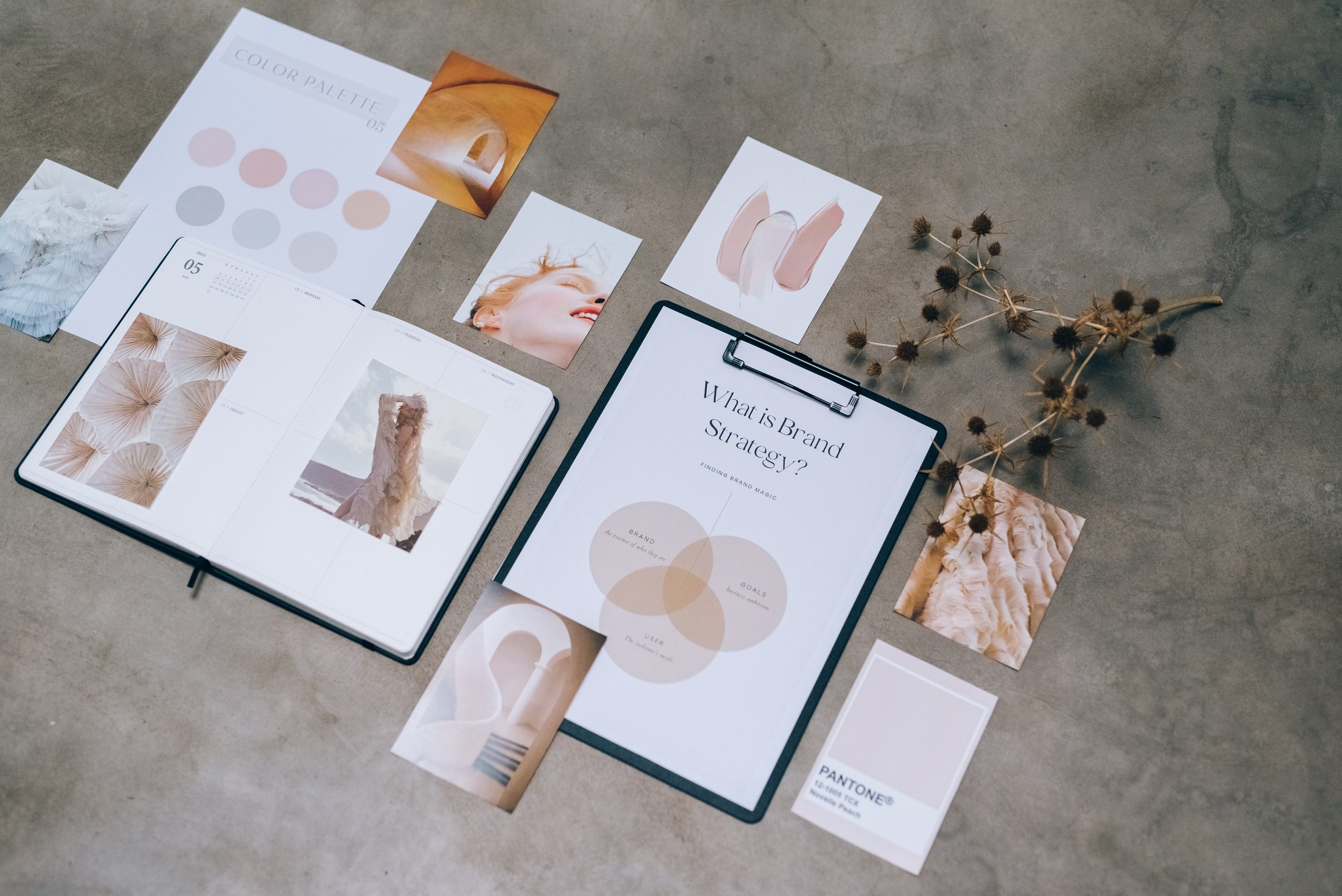
Moreover, mobile-first design contributes to a cohesive brand identity. With a consistent look and feel across all devices, businesses can reinforce their branding and create a memorable impression. This consistency is crucial for businesses offering custom design solutions, as it ensures that their digital presence aligns with their overall branding strategy.
For instance, a company undergoing a website redesign to incorporate mobile-first design principles can expect to see improvements in both user engagement and search engine rankings. By focusing on the needs of mobile users first, businesses can create a more accessible and appealing website, driving growth and success.
Implementing Mobile-First Design: Practical Tips
Transitioning to a mobile-first design requires careful planning and execution. Here are some practical tips to help businesses successfully implement this strategy:
- Conduct a Mobile Audit: Evaluate your current website's mobile performance to identify areas for improvement. Use tools like Google’s Mobile-Friendly Test to assess how well your site performs on mobile devices.
- Simplify Navigation: Streamline menus and ensure that navigation is intuitive. Consider using a hamburger menu for mobile versions to save space and improve usability.
- Optimize Images and Videos: Use responsive images and videos that adjust to different screen sizes without compromising quality. This optimization helps reduce loading times and enhances user experience.
- Focus on Speed: Ensure your website loads quickly on mobile devices by minimizing the use of heavy scripts and optimizing server response times.
- Test Across Devices: Regularly test your website on various mobile devices and screen sizes to ensure a consistent and functional user experience.
By following these tips, businesses can effectively implement mobile-first design and improve their overall online presence. This approach not only enhances user satisfaction but also strengthens branding and design efforts, providing a competitive edge in the digital marketplace.
Conclusion
Embracing mobile-first design is no longer optional; it is a necessity for businesses aiming to thrive in today's mobile-centric world. By prioritizing the mobile user experience, businesses can improve user satisfaction, boost SEO performance, and reinforce their brand identity. Whether you're planning a website redesign or seeking to enhance your local ranking boost, adopting a mobile-first approach is a strategic move that can drive significant results. As the digital landscape continues to evolve, staying ahead with mobile-first design will ensure your business remains competitive and relevant.


































0 Comments