

In today’s digital landscape, ensuring accessibility is not just a legal obligation; it's a moral one. Making websites accessible means that everyone, regardless of their abilities, can navigate and engage with online content. Responsive design plays a crucial role in this process, ensuring that websites are adaptable and user-friendly for individuals with disabilities. As businesses strive for inclusivity, understanding how responsive design benefits this demographic can significantly impact your brand and bottom line. This post will explore the key aspects of responsive design, its importance in accessibility, and actionable strategies to implement it effectively.
Understanding Responsive Design and Its Role in Accessibility
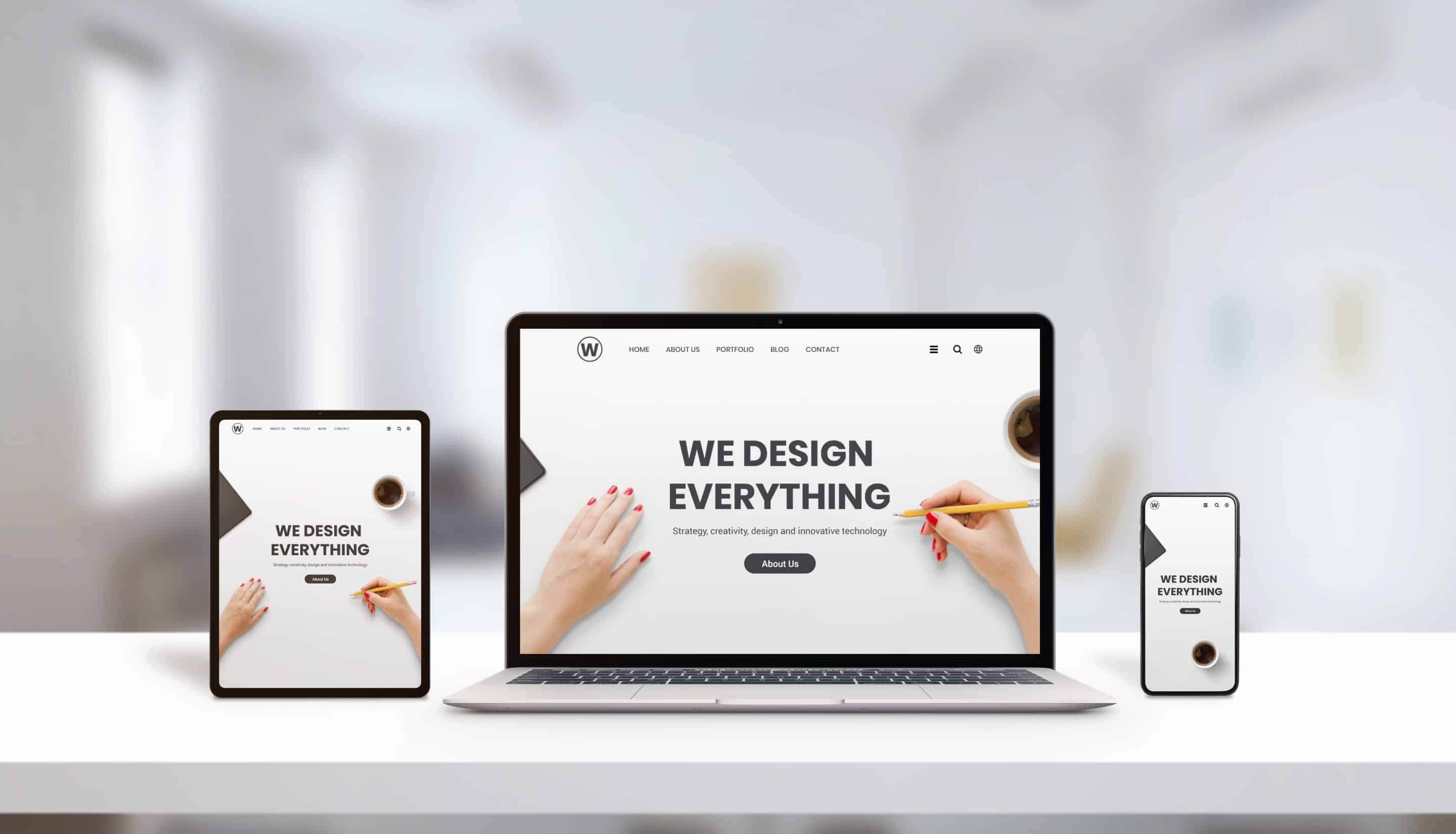
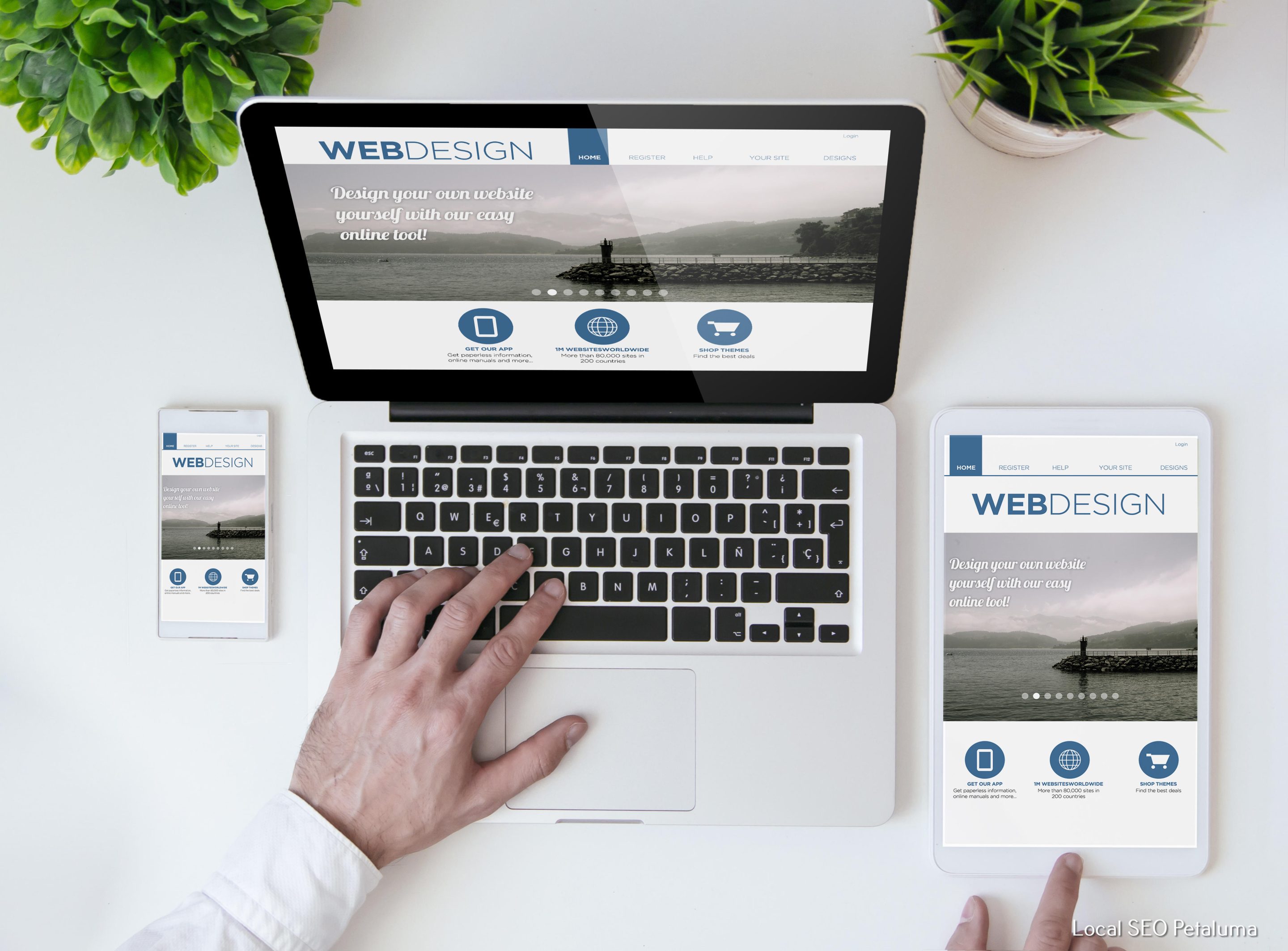
Responsive design refers to the development of websites that adapt seamlessly to various screen sizes and devices. This adaptability is crucial for accessibility, as it ensures that content is available to everyone, regardless of how they access the internet. For individuals with disabilities, such as those with visual impairments or motor difficulties, responsive design can be a game-changer.
For instance, a visually impaired user may rely on screen readers to navigate a website. If the design is not responsive, text can become jumbled, and navigation may become cumbersome. By ensuring a responsive design, text size can be adjusted, and content can be organized in a way that screen readers can easily interpret. Similarly, users with motor disabilities benefit from larger clickable areas and simpler navigation structures, which responsive design can facilitate.
Responsive design does more than just adjust layouts; it enhances the overall usability of a site. This usability is especially important for individuals who may use assistive technologies. By focusing on responsive design, you ensure that your website is not only accessible but also user-friendly and inclusive.
Examples of Effective Responsive Design
Companies that have embraced responsive design often see increased engagement from users with disabilities. For example, a website that adjusts its font size automatically based on the device used can help individuals with visual impairments read content more easily. Similarly, a simplified navigation menu that appears on mobile devices can aid users with cognitive disabilities in finding information without becoming overwhelmed.
In practice, think about a website redesign that incorporates these features. Such a conversion-focused redesign not only enhances accessibility but also improves the overall user experience, leading to better engagement and higher conversion rates.
The Legal and Ethical Imperatives of Accessibility
Ensuring accessibility through responsive design is not just beneficial; it's often required by law. Various regulations, such as the Americans with Disabilities Act (ADA) and the Web Content Accessibility Guidelines (WCAG), set standards for digital accessibility. Failing to comply with these standards can result in legal repercussions and damage to your brand's reputation.
From an ethical standpoint, accessibility is about inclusivity and equal opportunity. By providing a digital experience that everyone can access, you demonstrate a commitment to all users. This commitment can foster trust and loyalty among your audience, enhancing your brand strategy development.
Beyond legal obligations, consider the broader impact of accessibility on your brand. An inclusive approach can differentiate your business in a crowded market. Users who feel valued and included are more likely to engage with your brand and recommend it to others, creating a ripple effect of positive branding and customer loyalty.
Real-World Applications and Benefits
Several brands have seen tangible benefits from prioritizing accessibility. For instance, a retailer that redesigns its website to be more accessible may see increased sales from users who were previously unable to complete purchases due to navigational barriers. Similarly, a company offering logo design services can attract a wider client base by making its portfolio easily accessible to visually impaired users.
Implementing accessibility features as part of your UX optimization services can also enhance customer satisfaction and retention. Users appreciate when businesses take the time to address their needs, and this appreciation often translates into long-term customer relationships.
Strategies for Implementing Responsive Design
Implementing responsive design requires thoughtful planning and execution. Here are some strategies to ensure your website is both responsive and accessible:
- Flexible Layouts: Use flexible grid layouts that adjust to different screen sizes. This approach ensures that content remains readable and navigable on all devices.
- Scalable Images and Text: Allow images and text to resize based on the device's screen size. This scalability is crucial for users who need larger text or clearer images.
- Accessible Navigation: Simplify navigation menus and ensure they are easily accessible from any device. Consider using dropdown menus or hamburger icons for mobile devices.
- Alternative Texts: Provide alternative text for images to assist screen readers in conveying information to visually impaired users.
- Consistent Branding: Maintain visual brand consistency across all devices. This consistency helps users recognize and trust your brand, regardless of how they access your site.
By incorporating these strategies into your website redesign, you can create a more inclusive digital environment that serves all users effectively.
Case Study: Successful Responsive Design Implementation
A notable example of successful responsive design implementation is a tech company that revamped its website to improve accessibility. The company focused on creating a mobile-first design, ensuring that all elements were accessible via touch. They also included features such as text-to-speech options and customizable color contrasts, which benefited users with various disabilities.
As a result, the company not only complied with accessibility standards but also saw a significant increase in user engagement and satisfaction. This outcome illustrates the potential benefits of investing in responsive and accessible web design.
Additional Insights and Tips for Designers
Designers play a crucial role in ensuring accessibility through responsive design. Here are additional insights to help designers create more inclusive websites:
- Test with Real Users: Engage users with disabilities in the testing process. Their feedback can provide invaluable insights into how your design performs in real-world scenarios.
- Stay Informed: Keep up with the latest accessibility guidelines and best practices. The digital landscape is constantly evolving, and staying informed ensures your designs remain compliant and effective.
- Collaborate with Experts: Work with accessibility experts to identify potential barriers in your design and learn how to address them effectively.
- Focus on Content Clarity: Ensure that all content is clear and concise. Avoid jargon and complex language that might confuse or alienate users.
These tips can guide designers in creating websites that are not only responsive but also truly inclusive, enhancing the web experience for everyone.
Conclusion: Embracing Accessibility for a Better Web
Incorporating responsive design to ensure accessibility is a strategic move that benefits both users and businesses. By making your website accessible, you open your digital doors to a wider audience, enhancing your brand's reputation and fostering loyalty. As you consider your next steps, whether it's a website redesign or improving your current site, prioritize accessibility. It’s an investment in inclusivity and a commitment to providing a better web for everyone. Start today, and see the difference it makes for your brand and your audience.







































0 Comments