

In the evolving landscape of online marketing, understanding the distinction between web marketing and digital marketing is crucial for businesses aiming to optimize their strategies. While these terms are often used interchangeably, they encompass different scopes and techniques. By defining and differentiating these two approaches, businesses can better allocate resources and set clearer objectives. This article will explore the unique aspects of web marketing and digital marketing, highlighting their applications and benefits.
Understanding Web Marketing
Web marketing, sometimes referred to as online marketing, is focused on strategies that utilize the internet to drive traffic, generate leads, and increase sales. It encompasses a range of techniques that are specifically designed to promote websites and online content.
One key component of web marketing is search engine optimization (SEO), which involves optimizing a website to rank higher in search engine results. This can lead to increased visibility and traffic. For example, businesses might engage in SEO blog content creation to improve their search rankings and attract potential customers.
Another crucial aspect is pay-per-click (PPC) advertising. This involves placing ads on search engines and other websites, where businesses pay a fee each time their ad is clicked. PPC can be an effective way to quickly generate traffic and leads, provided the campaigns are carefully managed.
- SEO: Enhances organic search visibility.
- PPC: Drives immediate traffic through paid ads.
- Content Marketing: Engages audiences with valuable content.
Web marketing also includes content marketing, which focuses on creating and distributing valuable and relevant content to attract and engage a target audience. This can involve crafting blog content for AI search to ensure that content is easily discoverable by both users and search engines.
The Scope of Digital Marketing
Digital marketing is a broader term that encompasses all marketing efforts that use an electronic device or the internet. While web marketing is a subset of digital marketing, digital marketing includes additional channels such as mobile apps, email, social media, and more.
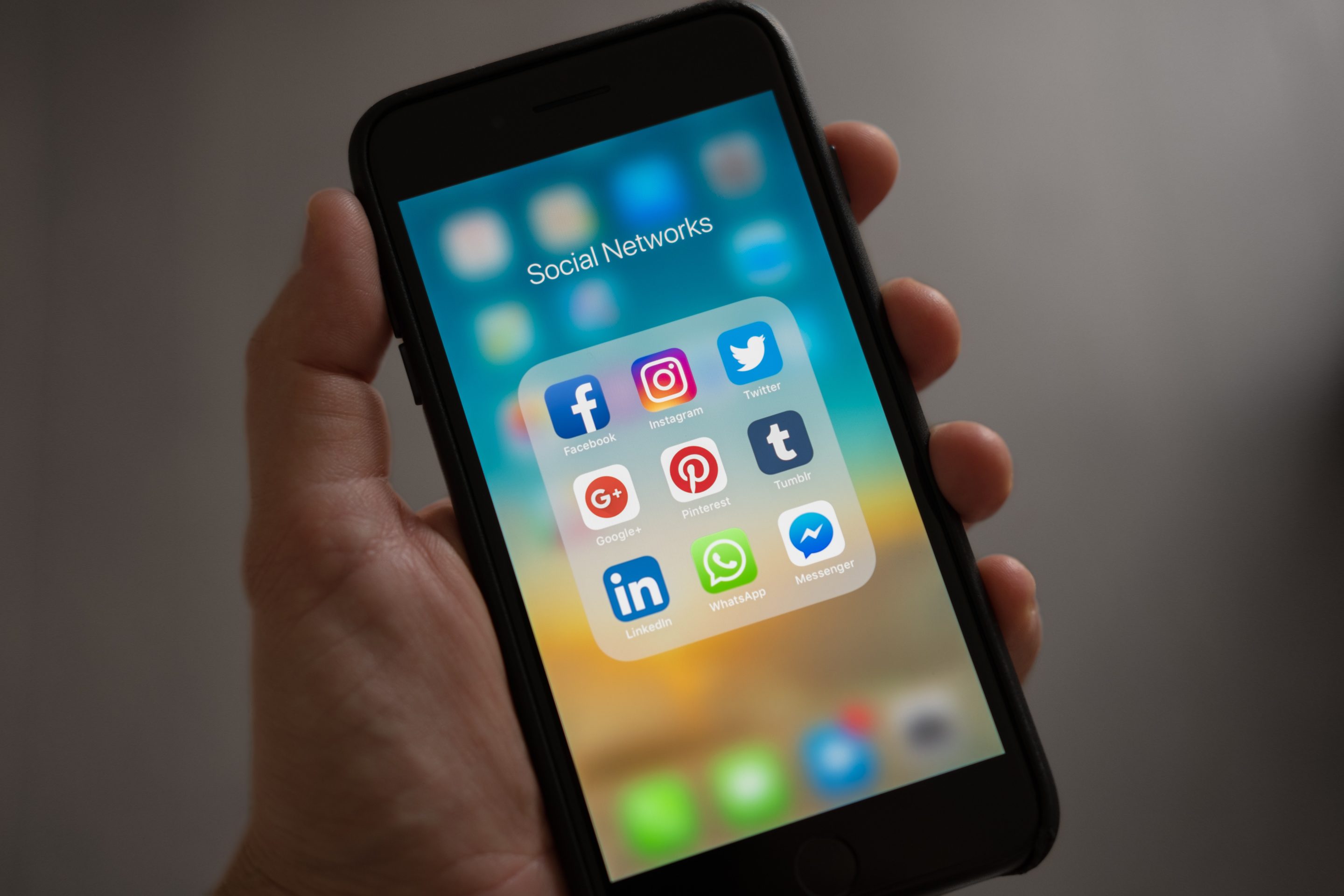
One of the significant elements of digital marketing is social media marketing, which involves creating and sharing content on social media platforms to achieve branding and marketing goals. Businesses might develop a comprehensive social media strategy to increase social engagement and reach a broader audience.
Another important component is email marketing, which allows businesses to send targeted messages to their audience. This can be particularly effective for nurturing leads and maintaining customer relationships. Additionally, mobile marketing, which includes SMS, MMS, and app-based marketing, enables businesses to reach customers on their smartphones and tablets.
- Social Media Marketing: Engages audiences on platforms like Facebook, Instagram, and Twitter.
- Email Marketing: Facilitates direct communication with customers.
- Mobile Marketing: Targets users on mobile devices.
Digital marketing strategies also often incorporate marketing automation tools to streamline and enhance marketing efforts. These tools can help with everything from email campaigns to social media posting, making it easier for businesses to manage their marketing activities efficiently.
Comparing Web Marketing and Digital Marketing
While web marketing and digital marketing share some commonalities, they differ significantly in scope and application. Web marketing is more focused on internet-based strategies, such as optimizing website performance and engaging in SEO and PPC campaigns. It is crucial for businesses looking to enhance AI visibility and improve AI search rankings through targeted online efforts.
In contrast, digital marketing encompasses a wider array of channels and methods. It includes traditional web marketing techniques but also extends to offline digital channels such as digital billboards and television ads. This broader approach allows businesses to create more integrated marketing campaigns that reach audiences across various touchpoints.
- Web Marketing: Internet-focused strategies for visibility and traffic.
- Digital Marketing: Comprehensive approach using multiple digital channels.
- Integration: Combines online and offline efforts for broader reach.
For instance, a business might use sales funnel setup to guide potential customers from awareness to purchase, combining both web and digital marketing strategies. This could involve using CRM integration to track and nurture leads generated from various channels.
Practical Tips for Businesses
For businesses looking to implement effective marketing strategies, it's essential to understand the unique benefits and applications of both web and digital marketing. Here are some practical tips:
- Identify Your Goals: Determine whether your primary objective is to drive website traffic, enhance brand awareness, or increase sales.
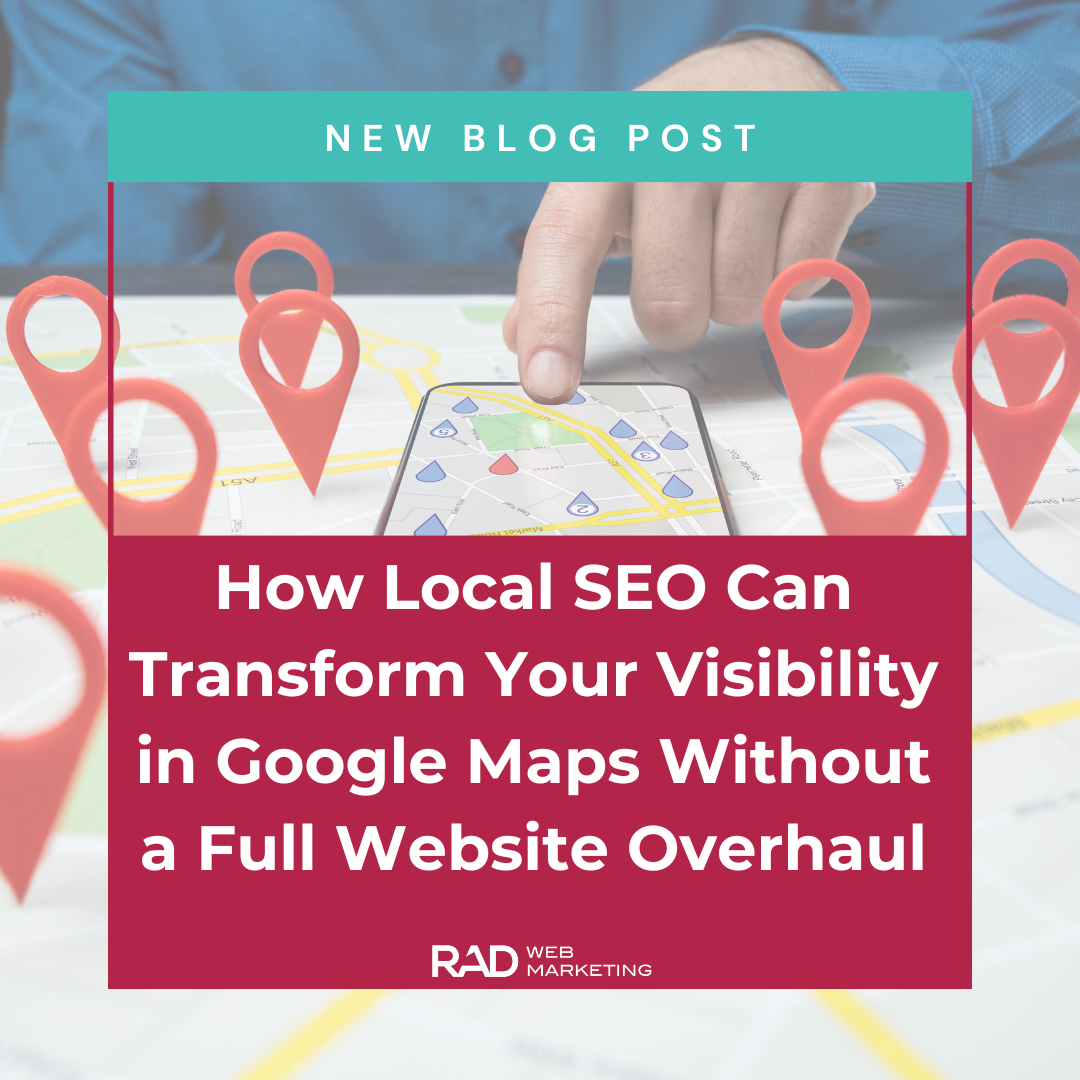
- Choose the Right Channels: Decide which marketing channels align best with your business goals. For instance, if your goal is to enhance local visibility, focus on optimizing your Google profile.
- Integrate Strategies: Use a combination of web and digital marketing tactics for a more comprehensive approach. This might include maintaining your website while also utilizing email and social media channels.
- Leverage Automation: Consider using marketing automation tools to streamline your efforts and improve efficiency.
- Monitor and Adjust: Regularly assess the performance of your marketing strategies and be prepared to make adjustments as needed.
By thoughtfully integrating web and digital marketing strategies, businesses can create robust marketing plans that effectively reach and engage their target audiences.
Conclusion
Understanding the difference between web marketing and digital marketing is crucial for businesses seeking to optimize their marketing efforts. While web marketing focuses on internet-based strategies, digital marketing encompasses a broader range of channels. By leveraging the unique strengths of each approach, businesses can create more effective and comprehensive marketing campaigns. As you consider your next steps, think about how these strategies can be aligned with your specific business goals to drive growth and success.






























0 Comments