

In the digital age, websites are a crucial bridge connecting businesses to their audience. Yet, for individuals with visual impairments, navigating this virtual world can be challenging. Alt text, or alternative text, plays a pivotal role in making websites accessible to everyone. This post delves into the importance of alt text, offering insights into how it enhances web accessibility. We will explore its role in supporting individuals with visual impairments and offer practical advice on implementing effective alt text strategies. By the end, you'll understand how alt text not only fosters inclusivity but also benefits your website's overall performance.
The Role of Alt Text in Accessibility
Alt text is a brief description of an image that is embedded in the HTML code of a webpage. It serves as a vital tool for screen readers, which are software programs that convert text into speech, allowing visually impaired users to understand the content of images. Without alt text, these users would miss out on essential information conveyed through images, impacting their overall experience.
For example, consider an e-commerce site selling clothing. A visually impaired user browsing the site with a screen reader might not grasp the details of a product image unless alt text provides a description like “blue denim jacket with front pockets and silver buttons.” This simple description ensures the user receives the same information as those who can see the image.
The importance of alt text extends beyond accessibility. Search engines rely on alt text to index images, which can improve the website's visibility in search results. By providing clear and descriptive alt text, you contribute to both user experience and search engine optimization (SEO). This dual benefit underscores the necessity of incorporating alt text into your website's design.
Moreover, alt text plays a crucial role in the functionality of various AI tools and platforms. As these technologies continue to evolve, integrating semantic SEO strategies can further enhance how alt text interacts with search algorithms, supporting a more inclusive and accessible web environment.
Creating Effective Alt Text
Writing effective alt text requires a balance between being descriptive and concise. The goal is to convey the essence of the image without overwhelming the user with unnecessary details. Here are some best practices for crafting optimal alt text:
- Be Descriptive but Concise: Aim to describe the image in a few words, focusing on the key elements that convey the intended message.
- Avoid Redundancy: Do not repeat information already presented in the surrounding text. Alt text should complement the content, not duplicate it.
- Context Matters: Consider the context of the image within the webpage. The alt text should align with the image's role on the page.
- Include Keywords Strategically: While it’s essential to incorporate keywords for SEO, they should be relevant and natural. Forced keyword stuffing can detract from the user experience.
- Use Proper Punctuation: Screen readers interpret punctuation, so ensure your alt text is grammatically correct for clear communication.
For instance, a travel blog featuring a scenic photo should have alt text that reads, “sunset over the Grand Canyon with vibrant orange and pink hues.” This description captures the image's beauty and context within the post, enhancing both accessibility and SEO.
Implementing these practices not only improves accessibility but also supports routine site updates. Regularly reviewing and updating your alt text ensures that your website remains compliant with accessibility standards and optimized for search engines.
Legal and Ethical Considerations
Web accessibility is not just a moral obligation but often a legal requirement. Various regulations, such as the Americans with Disabilities Act (ADA), mandate that websites be accessible to individuals with disabilities. Non-compliance can lead to legal repercussions, making it crucial for businesses to prioritize accessibility.
In recent years, there has been an increase in lawsuits against companies whose websites are not accessible to people with disabilities. These legal challenges highlight the importance of integrating accessibility features like alt text to avoid potential litigation. Ensuring compliance with accessibility standards not only protects your business legally but also demonstrates a commitment to inclusivity.
Beyond legal obligations, there is an ethical dimension to consider. Making your website accessible reflects positively on your brand and can enhance customer loyalty. It shows that you value all users and are committed to providing an equitable online experience.
Incorporating alt text into your website design is a straightforward yet impactful step toward demonstrating corporate social responsibility. It aligns with broader branding and design strategies that emphasize visual brand consistency and inclusivity.
Additional Tips for Enhancing Accessibility
While alt text is a significant component of web accessibility, it’s only part of the broader picture. Here are additional strategies to further enhance accessibility on your website:
- Keyboard Navigation: Ensure your website can be navigated using a keyboard, allowing those who cannot use a mouse to access all features.
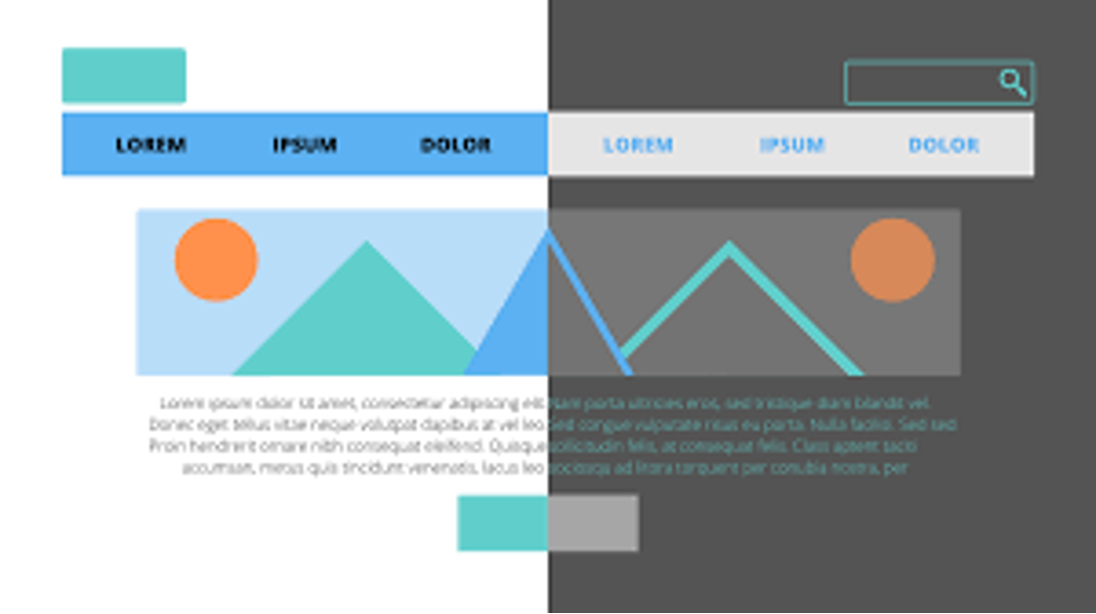
- Color Contrast: Use high-contrast color schemes to improve readability for users with visual impairments.
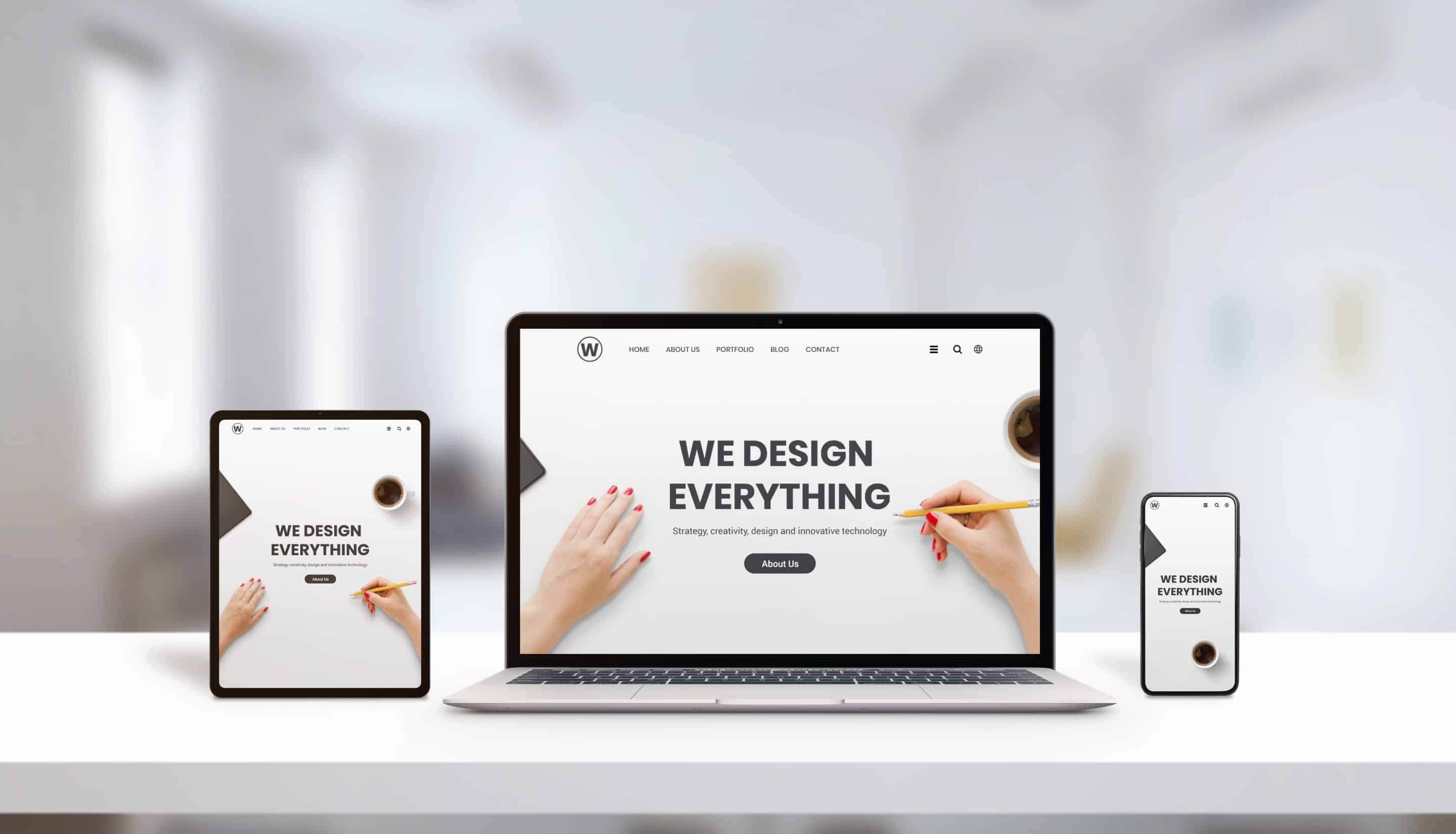
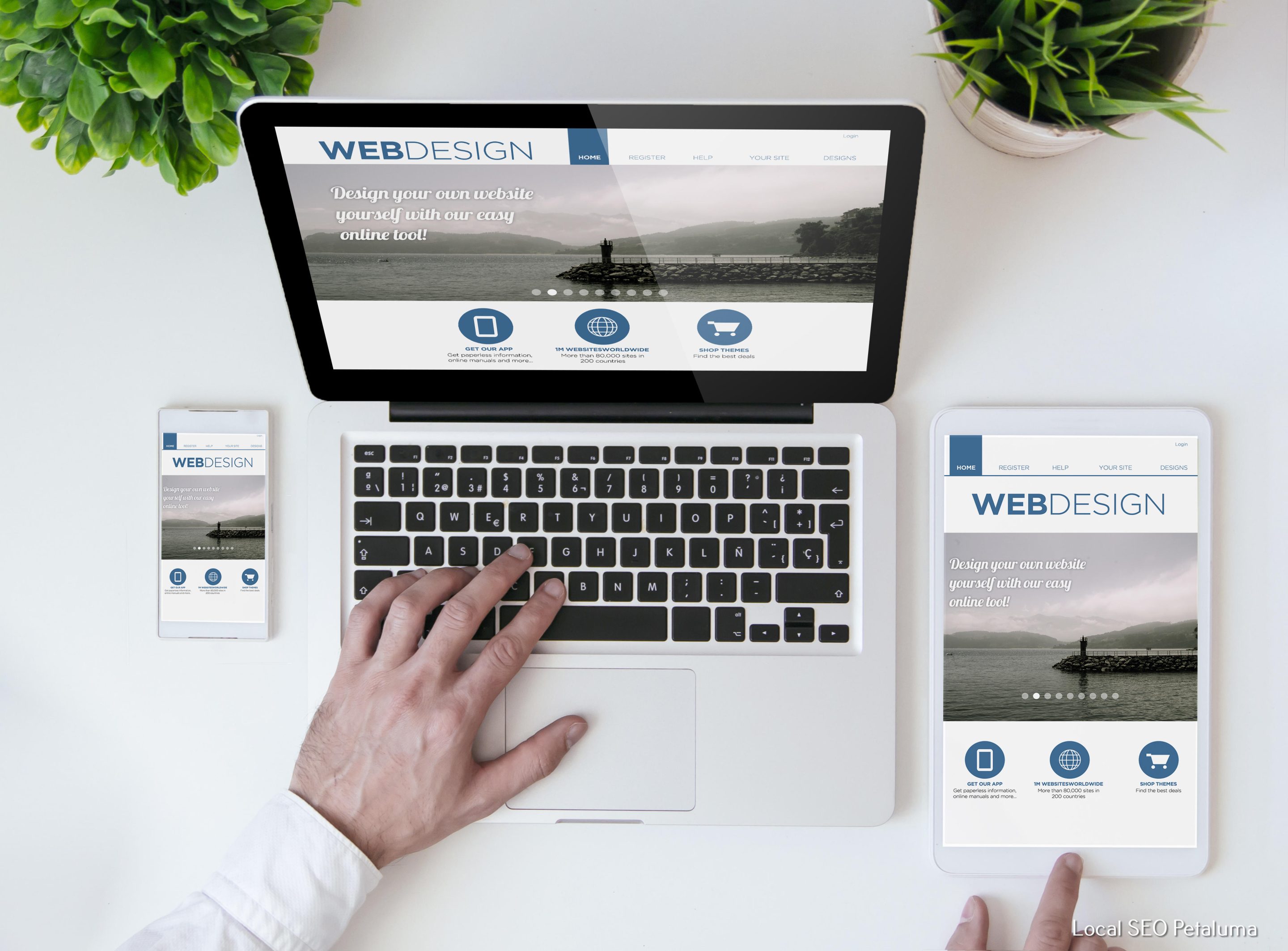
- Responsive Design: Ensure your website is mobile-friendly, as many users access the internet through mobile devices.
- Text Alternatives: Provide text alternatives for video content, such as transcripts or captions, to aid users with hearing impairments.
- Website Testing: Regularly test your website’s accessibility using tools and feedback from users with disabilities to identify areas for improvement.
These practices complement alt text by creating a comprehensive approach to accessibility. They also align with broader initiatives like website redesign and improve website usability, ensuring that all users have a seamless experience.
Conclusion
Enhancing web accessibility is an essential step toward inclusivity and improved user experience. Alt text plays a crucial role in this process, ensuring that users with visual impairments can access the same information as everyone else. By implementing effective alt text strategies and embracing a broader commitment to accessibility, you not only comply with legal standards but also create a more inclusive digital environment.
Consider integrating these practices into your routine site updates to maintain a website that is both accessible and optimized for search engines. By doing so, you demonstrate a commitment to inclusivity and position your brand as a leader in accessibility. Remember, enhancing accessibility is not just about compliance; it's about making the digital world a welcoming place for everyone.

































0 Comments