

In today's digital landscape, your online reputation can significantly impact your business's success. Social media is a powerful tool that can help you shape, enhance, and maintain your brand's image online. Whether you're a small business owner or managing a large corporation, understanding how to effectively use social media to improve your online reputation is crucial. In this guide, we will explore practical strategies and insights into leveraging social media platforms to boost your reputation and engage with your audience more effectively.
Understanding the Importance of Online Reputation
Your online reputation is essentially the perception others have of your brand based on the information available on the internet. This includes customer reviews, social media interactions, press releases, and more. A positive online reputation can lead to increased trust, higher customer retention, and improved sales. Conversely, a negative reputation can deter potential customers and damage your brand's credibility.
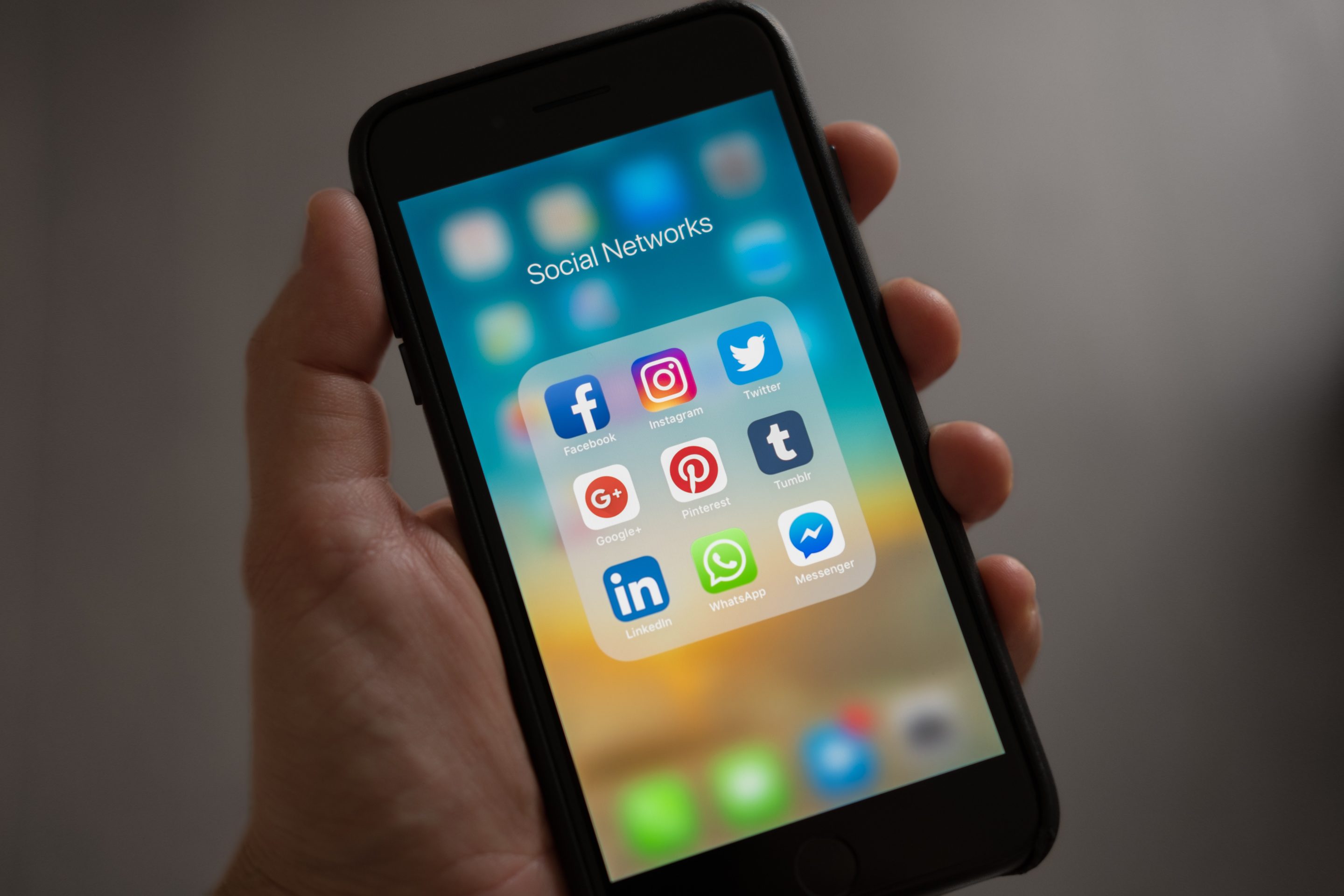
Social media plays a vital role in shaping your online reputation. Platforms like Facebook, Twitter, Instagram, and LinkedIn offer businesses unique opportunities to interact directly with their audience. This direct interaction can be used to address customer concerns, highlight positive customer experiences, and showcase your brand's values. For example, responding promptly to customer inquiries or complaints on social media demonstrates that you value customer feedback and are committed to service excellence.
Moreover, social media allows you to share content that reflects your brand's identity and values, further enhancing your reputation. Regularly posting informative, engaging, and relevant content helps position your brand as an industry leader, fostering trust and loyalty among your audience.
Developing a Strategic Social Media Plan
To effectively use social media to improve your online reputation, it's essential to develop a strategic social media plan. This involves setting clear goals, identifying your target audience, and choosing the right platforms to reach them. A well-thought-out social media strategy ensures that your efforts are aligned with your brand's overall objectives and can help increase social engagement.
Start by defining your goals. Are you looking to enhance brand awareness, drive website traffic, or improve customer service? Once your goals are clear, you can tailor your content and interactions to achieve them. For instance, if your goal is to improve customer service, consider using platforms like Twitter or Facebook to quickly address customer concerns and inquiries.
Next, identify your target audience. Understanding who your audience is will help you create content that resonates with them. Use analytics tools provided by social media platforms to gather insights about your audience's demographics, interests, and behaviors. This information will guide your content creation and posting schedule.
Finally, choose the right platforms for your brand. Not all social media platforms may be suitable for your business. For example, if your target audience is primarily professionals, focusing on LinkedIn might be more effective than Instagram. By selecting the right platforms, you can ensure that your efforts are focused and impactful.
Engaging with Your Audience Effectively
Engagement is key to building a positive online reputation. Social media provides a unique opportunity to engage with your audience in real-time, fostering a sense of community and loyalty. To effectively engage with your audience, consider the following strategies:
- Respond Promptly: Timely responses to comments, messages, and mentions show that you value your audience's feedback and are committed to excellent customer service. This can significantly enhance your brand's reputation.
- Encourage User-Generated Content: Encourage your audience to share their experiences with your brand. User-generated content acts as a powerful testimonial and can positively influence potential customers.
- Host Interactive Sessions: Host Q&A sessions, live streams, or webinars to interact directly with your audience. These sessions provide an opportunity to showcase your expertise and build trust.
- Create Polls and Surveys: Engage your audience by seeking their opinions through polls and surveys. This not only boosts engagement but also provides valuable insights into customer preferences.
By implementing these strategies, you can create a more engaged and loyal community around your brand, ultimately improving your online reputation.
Leveraging Paid Social Advertising for Reputation Management
In addition to organic social media efforts, incorporating paid social advertising can further enhance your online reputation. Paid ads allow you to reach a wider audience and can be targeted to specific demographics, ensuring your message reaches the right people.
When crafting social media ads, focus on promoting positive aspects of your brand, such as customer testimonials, awards, or case studies. These ads can help reinforce your brand's credibility and attract new customers. For example, a well-placed ad highlighting a satisfied customer's review can sway potential customers who are on the fence about trying your products or services.
Paid social advertising also allows you to quickly counteract any negative publicity. If your brand experiences negative feedback or a public relations issue, using targeted ads to share your brand's corrective actions or positive company news can help mitigate any potential damage to your reputation.
It's important to monitor the performance of your social media ads and adjust your strategy as needed. Use analytics tools to track metrics such as engagement rates, click-through rates, and conversion rates. This data will help you refine your approach and ensure your ads are effectively contributing to a positive online reputation.
Maintaining Consistency Across Platforms
Consistency is crucial when managing your online reputation across multiple social media platforms. Your brand's voice, messaging, and visual identity should be consistent across all platforms to avoid confusing your audience and diluting your brand image.
Developing and adhering to a content calendar can help maintain consistency. A content calendar outlines what content will be posted, when, and on which platforms. This ensures that your messaging is cohesive and aligned with your brand's objectives. For instance, if you're launching a new product, your content calendar should include posts about the product launch across all relevant platforms.
Additionally, ensure that your brand's voice and tone are consistent in all interactions. Whether you're responding to a customer inquiry on Twitter or sharing a blog post on LinkedIn, the way you communicate should reflect your brand's personality and values.
Consistency also extends to visual elements. Use the same logos, color schemes, and design elements across all platforms to reinforce your brand's identity. This helps create a unified and professional image that enhances your online reputation.
Conclusion
Effectively using social media to improve your online reputation requires a strategic approach, consistent engagement, and a keen understanding of your audience. By developing a solid social media strategy, engaging effectively with your audience, leveraging paid social advertising, and maintaining consistency across platforms, you can enhance your brand's reputation and foster a positive perception online. Start integrating these strategies into your social media efforts today to see tangible improvements in your online reputation.

































0 Comments