

Color is a powerful tool in website branding and marketing. It influences emotions, affects perceptions, and can even drive engagement. Understanding the psychology of color can give you an edge in crafting a brand identity that resonates with your target audience. In this post, we will explore how color impacts consumer behavior, how to choose the right color palette for your brand, and strategies for integrating color into your marketing efforts.
The Influence of Color on Consumer Behavior
Color plays a crucial role in shaping consumer behavior. People often make subconscious judgments about a product within 90 seconds of their initial interaction, and up to 90% of this evaluation is based on color alone. This makes color a critical component in branding and design.
Different colors evoke different emotions and associations. For example, red can evoke excitement and urgency, making it effective for calls to action. Blue, on the other hand, is perceived as trustworthy and calm, often used in industries like finance and healthcare. Understanding these associations can help you choose colors that align with your brand's message and industry.
- Red: Often associated with energy, passion, and urgency, making it ideal for promotions and sales.
- Blue: Conveys trust, dependability, and calm, commonly used in corporate and healthcare branding.
- Green: Symbolizes health, growth, and tranquility, suitable for eco-friendly and wellness brands.
- Yellow: Represents optimism and warmth, effective for brands targeting a youthful audience.
- Purple: Associated with luxury and creativity, often used in beauty and high-end products.
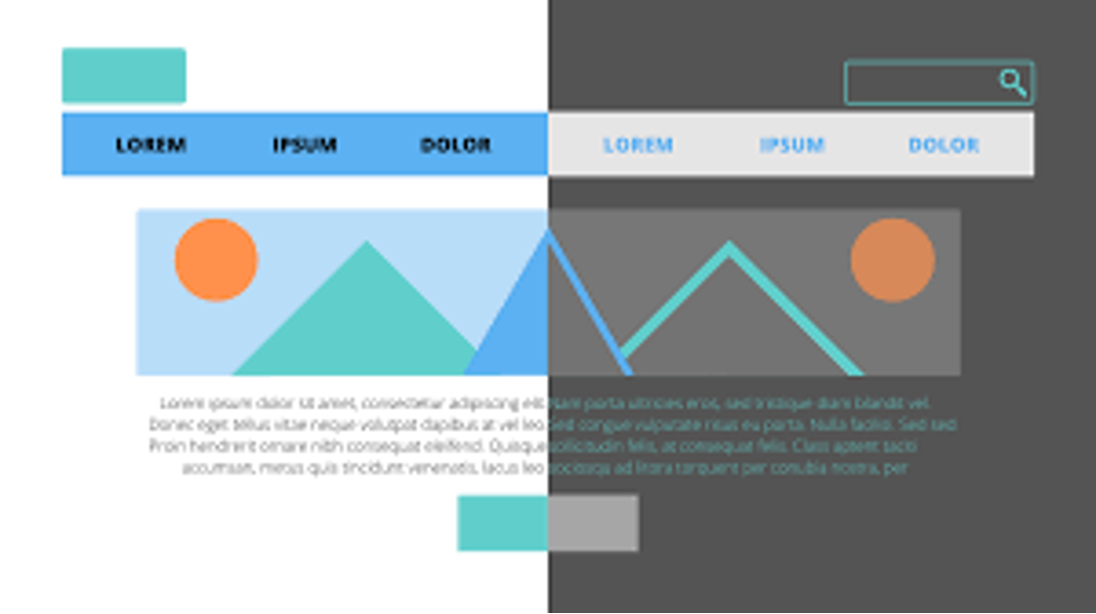
When considering a website redesign or conversion focused redesign, it's essential to think about how color influences user experience. A well-thought-out color scheme can enhance the usability of your site and encourage engagement.
Choosing the Right Color Palette for Your Brand
Selecting the right color palette for your brand is not just an aesthetic choice; it's a strategic decision that can impact brand recognition and loyalty. The key is to choose colors that reflect your brand's values and resonate with your target audience.
Start by identifying the emotions you want your brand to evoke. Are you aiming for a professional and trustworthy image? Or do you want to appear innovative and cutting-edge? Once you've defined your brand personality, you can select colors that align with these traits.
Consider the cultural implications of color as well. Colors can have different meanings in different cultures, so it's important to research your target market's cultural associations with color. For instance, while white is often associated with purity and simplicity in Western cultures, it can signify mourning in some Eastern cultures.
Another factor to consider is visual brand consistency. Consistent use of a color palette across all your marketing materials, from website design to logo design services, helps reinforce brand identity and makes it easier for consumers to recognize your brand.
- Use a color wheel to explore complementary, analogous, and triadic color schemes.
- Test color palettes with focus groups to gauge emotional responses.
- Ensure accessibility by considering color contrasts and readability.
Incorporating color into your brand strategy development requires careful thought and planning. It's not just about choosing colors that look good together; it's about creating a cohesive brand experience.
Integrating Color into Marketing Efforts
Once you've established your brand's color palette, it's time to integrate these colors into your marketing efforts. Consistent color use can enhance brand recognition and support your overall marketing strategy.
Incorporate your brand colors into your website, marketing materials, and social media strategy. This creates a unified brand experience and helps reinforce brand identity. For example, using your brand's primary color for call-to-action buttons can increase conversions, as it draws attention and prompts action.
Color can also be a powerful tool in content marketing & blogging. Using color to highlight important information or create visual interest can improve readability and engagement. For instance, incorporating contrasting colors in blog content for ai search can help key points stand out, making your content more memorable.
- Use color psychology to create targeted campaigns that resonate with specific audience segments.
- Leverage color in email marketing to increase open rates and click-throughs.
- Incorporate seasonal color changes to keep your brand fresh and relevant.
For ecommerce website development, color is crucial in guiding users through the purchasing process. Strategic use of color can highlight promotions, direct attention to best-selling products, and enhance the overall shopping experience.
Additional Insights and Tips
To maximize the impact of color in your branding and marketing efforts, consider these additional insights:
First, keep up with current design trends. While it's important to maintain visual brand consistency, staying informed about trends can help you make informed decisions about when to refresh your brand's look. For instance, a conversion focused redesign might involve updating your color palette to reflect modern aesthetics without losing your brand's essence.
Second, use A/B testing to refine your color strategy. Experiment with different color combinations to see which ones perform best in terms of engagement and conversion rates. This data-driven approach can help you optimize your marketing efforts and ensure that your color choices are effectively supporting your goals.
Finally, don't underestimate the power of simplicity. While a vibrant color palette can be eye-catching, a minimalist approach can also be effective. By using color sparingly, you can create a clean and sophisticated look that emphasizes key elements, such as calls to action or important content.
- Stay informed about color trends in your industry.
- Utilize A/B testing to evaluate the effectiveness of different color schemes.
- Balance bold colors with neutral tones to avoid overwhelming your audience.
Conclusion
Understanding the psychology of color is an essential part of effective website branding and marketing. By carefully selecting and integrating colors that align with your brand's values and resonate with your audience, you can create a powerful and memorable brand identity. Whether you're undertaking a website redesign or crafting a social media strategy, the right color choices can enhance your marketing efforts and drive engagement. Consider how you can leverage color to not only attract attention but also build trust and foster long-term relationships with your customers.








































0 Comments