

In today's digital landscape, establishing a robust online presence is crucial for businesses of all sizes. With the right on-page SEO techniques, you can enhance your website's visibility, attract more visitors, and convert them into loyal customers. This comprehensive guide will walk you through some easy but effective strategies to optimize your site, ensuring it stands out in the crowded online marketplace. Whether you're new to SEO or looking to refine your current tactics, these insights will help you make informed decisions for your business's growth.
Understanding the Basics of On-Page SEO
On-page SEO is the practice of optimizing individual web pages to rank higher in search engine results and attract relevant traffic. This involves several key elements that work together to improve your site's visibility and usability. Let's explore these foundational aspects and how they can enhance your online presence.
Crafting Compelling Title Tags and Meta Descriptions
Title tags and meta descriptions are critical components of on-page SEO. They not only inform search engines about your page's content but also influence click-through rates from search engine results pages (SERPs). A well-crafted title tag should be concise, include your target keyword, and provide a clear idea of what the page is about. Meta descriptions, while not a direct ranking factor, serve as a preview of your content and can entice users to click on your link.
- Title Tags: Keep them under 60 characters and include primary keywords.
- Meta Descriptions: Aim for 150-160 characters and make them descriptive and engaging.
- Example: For a page on on-page seo techniques, a title tag could be “Master On-Page SEO: Boost Your Site's Visibility” with a meta description like “Learn effective on-page SEO strategies to improve your site's ranking and drive more traffic.”
Optimizing Header Tags for Structure and Relevance
Header tags (H1, H2, H3, etc.) play a significant role in structuring your content and signaling its hierarchy to search engines. They help both users and search engines understand the main topics and subtopics within your content. Properly optimized header tags can improve user experience and make your content more accessible.
- H1 Tag: Use it for the main title of your page and include the primary keyword.
- H2 and H3 Tags: Utilize these for subheadings and to break down content into digestible sections.
- Example: For a page on seo content optimization, an H1 could be “Comprehensive Guide to SEO Content Optimization” followed by H2s like “Why SEO Content Optimization Matters” and “Best Practices for SEO Content Optimization.”
Enhancing Content Quality and Relevance
Content is king in the world of SEO, and ensuring your content is high-quality and relevant is essential for attracting and retaining visitors. Let's dive into some effective strategies to elevate your content game.
Creating Valuable and Engaging Content
To keep visitors on your site and encourage them to return, your content must offer real value. This involves understanding your audience's needs and providing insightful, actionable information that addresses their queries. Engaging content not only attracts readers but also encourages social sharing and backlinks, which can further boost your site's authority.
- Know Your Audience: Research your target demographic to tailor content to their preferences and pain points.
- Use Visuals: Incorporate images, videos, and infographics to make your content more engaging and easier to digest.
- Example: If your target audience is interested in local search optimization, create content that explains how to optimize for Google Maps SEO, including step-by-step guides and case studies.
Implementing Keyword Optimization
Keywords remain a foundational element of SEO. By strategically placing relevant keywords throughout your content, you can improve your page's relevance and visibility in search results. However, it's essential to balance keyword usage to avoid keyword stuffing, which can negatively impact user experience and rankings.
- Primary Keywords: Integrate them naturally into your title, headers, and throughout the content.
- LSI Keywords: Use related terms and phrases to provide context and depth to your content.
- Example: For a post on professional website upgrade, include keywords like “website redesign” and “site maintenance services” to cover related aspects.
Improving User Experience and Engagement
User experience (UX) is a critical factor in SEO, as search engines prioritize sites that offer a seamless and enjoyable experience. Enhancing UX can lead to longer visit durations, lower bounce rates, and higher conversion rates.
Boosting Page Speed and Performance
Page speed is a vital component of user experience. Slow-loading pages can frustrate users and lead to higher bounce rates. By optimizing your site's performance, you can improve user satisfaction and search engine rankings.
- Minimize HTTP Requests: Reduce the number of elements on a page to speed up loading times.
- Optimize Images: Compress and resize images to reduce file size without compromising quality.
- Example: Use tools like Google PageSpeed Insights to identify areas for improvement and track your progress.
Enhancing Mobile Friendliness
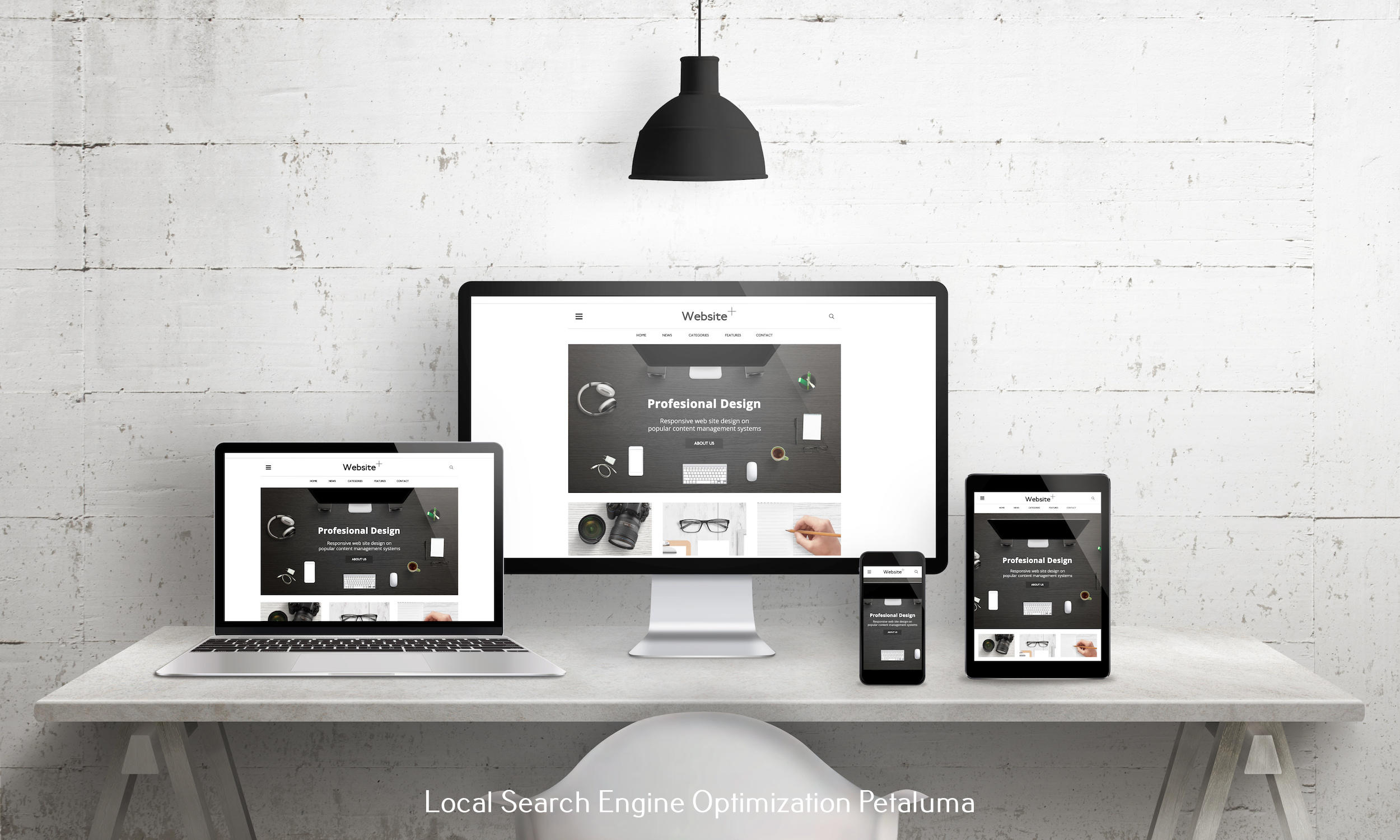
With the increasing number of mobile users, ensuring your site is mobile-friendly is more important than ever. A responsive design that adapts to different screen sizes can enhance user experience and improve your site's search engine rankings.
- Responsive Design: Use flexible layouts and scalable images to ensure your site works well on all devices.
- Mobile Navigation: Simplify menus and make buttons easily clickable for mobile users.
- Example: Test your site using Google's Mobile-Friendly Test tool to identify and fix any issues.
Leveraging Internal and External Links
Links are a crucial part of SEO, helping to establish your site's authority and improve its visibility. By strategically using internal and external links, you can guide users through your site and enhance its credibility.
Implementing Internal Linking Strategies
Internal links connect different pages within your site, helping both users and search engines navigate your content. A well-planned internal linking structure can improve page authority, enhance user experience, and increase the chances of ranking higher in search results.
- Link to Relevant Pages: Connect related content to provide additional value to users.
- Use Descriptive Anchor Text: Describe the linked page's content to give users a clear idea of what to expect.
- Example: If you're discussing website redesign, link to related pages like “site maintenance services” to offer further insights.
Building External Links for Authority
External links, or backlinks, from reputable sites can significantly enhance your site's authority and credibility. Quality backlinks signal to search engines that your content is valuable and trustworthy, which can improve your search rankings.
- Guest Blogging: Contribute articles to reputable blogs in your industry to earn backlinks.
- Collaborate with Influencers: Partner with industry influencers to share your content and gain exposure.
- Example: Reach out to websites offering related services, like “paid social advertising,” to explore guest posting opportunities and link exchanges.
Conclusion: Taking Action to Enhance Your Online Presence
Optimizing your website with effective on-page SEO techniques can significantly impact your online visibility and business success. By focusing on key elements such as content quality, user experience, and strategic linking, you can create a site that not only ranks well but also provides value to your audience. As you implement these strategies, monitor your site's performance and make adjustments as needed to stay ahead of the competition. Empower your online presence today with these actionable insights and watch your business grow.






































0 Comments