
Creating an effective landing page design is crucial for capturing leads and driving conversions. A well-designed landing page can make all the difference in your marketing strategy, transforming casual visitors into potential customers. In this guide, we’ll explore ten essential tips to help you enhance your landing page design. From understanding user intent to optimizing for mobile, these strategies will ensure that your landing pages are both visually appealing and functionally effective.
Understand Your Audience and Set Clear Goals
Before diving into the design process, it’s essential to understand who your audience is and what they need. By identifying your target demographic, you can tailor your messaging and design elements to meet their expectations. This approach not only enhances user experience but also increases the likelihood of conversions.
The first step is to define your goals. Are you looking to collect email addresses, promote a new product, or increase sign-ups for a webinar? Setting clear objectives helps guide the design process and ensures that every element on the page serves a purpose. For instance, if your goal is to capture leads, your call-to-action (CTA) should be prominently displayed and easy to interact with.
- Use Data: Leverage analytics to gather insights about your audience. Look into demographics, browsing behavior, and previous interactions with your brand.
- Create Personas: Develop detailed buyer personas to visualize your ideal customers and their needs.
- Set Specific Goals: Determine what actions you want visitors to take when they land on your page.
Craft a Compelling Headline and Subheadline
Your headline is the first thing visitors will see, making it a critical component of your landing page. A strong headline grabs attention, communicates value, and encourages users to explore further. The subheadline supports the headline by providing additional context or information that reinforces the main message.
When crafting your headline, focus on clarity and relevance. Avoid jargon and ensure that it aligns with your audience’s expectations and the content you’re promoting. For example, if you’re offering a special discount on graphic design services, your headline should clearly state the offer and the benefits.
- Be Direct: Use straightforward language that clearly conveys the main benefit or offer.
- Create Urgency: Incorporate time-sensitive language to encourage immediate action.
- Test Variations: A/B test different headlines to determine which resonates best with your audience.
Design for Simplicity and Focus
A cluttered landing page can overwhelm visitors and detract from your main message. To avoid this, prioritize simplicity and focus in your design. A clean, streamlined layout helps guide users toward your CTA and reduces distractions. Every element on the page should have a clear purpose and contribute to the overall goal.
Consider the use of whitespace to create balance and improve readability. Whitespace allows key elements to stand out and directs the viewer’s attention to the most important parts of the page. Additionally, ensure that your design is consistent with your overall branding and design strategy, using colors, fonts, and imagery that reflect your brand identity.
- Limit Distractions: Remove unnecessary elements that don’t support your primary goal.
- Use Visual Hierarchy: Organize content to guide the viewer’s eye naturally from one element to the next.
- Maintain Consistency: Ensure design elements align with your brand’s visual identity.
Incorporate Strong Visuals and Multimedia
Visual elements play a vital role in capturing attention and conveying information quickly. High-quality images, videos, and graphics can enhance your landing page design and make it more engaging. When used effectively, multimedia elements can help illustrate your product’s benefits, demonstrate its use, or build an emotional connection with your audience.
For instance, a short video explaining the features of your custom logo design services can provide more depth than text alone. Similarly, infographics can present complex data in an easily digestible format. Be sure to optimize all multimedia for fast loading speeds to prevent slowing down your site, which can negatively impact user experience.
- Use Authentic Imagery: Choose images that reflect your brand and resonate with your audience.
- Leverage Video: Engage visitors with short, informative videos that showcase your offerings.
- Optimize Media: Ensure images and videos are properly compressed to enhance loading times.
Ensure Mobile Responsiveness
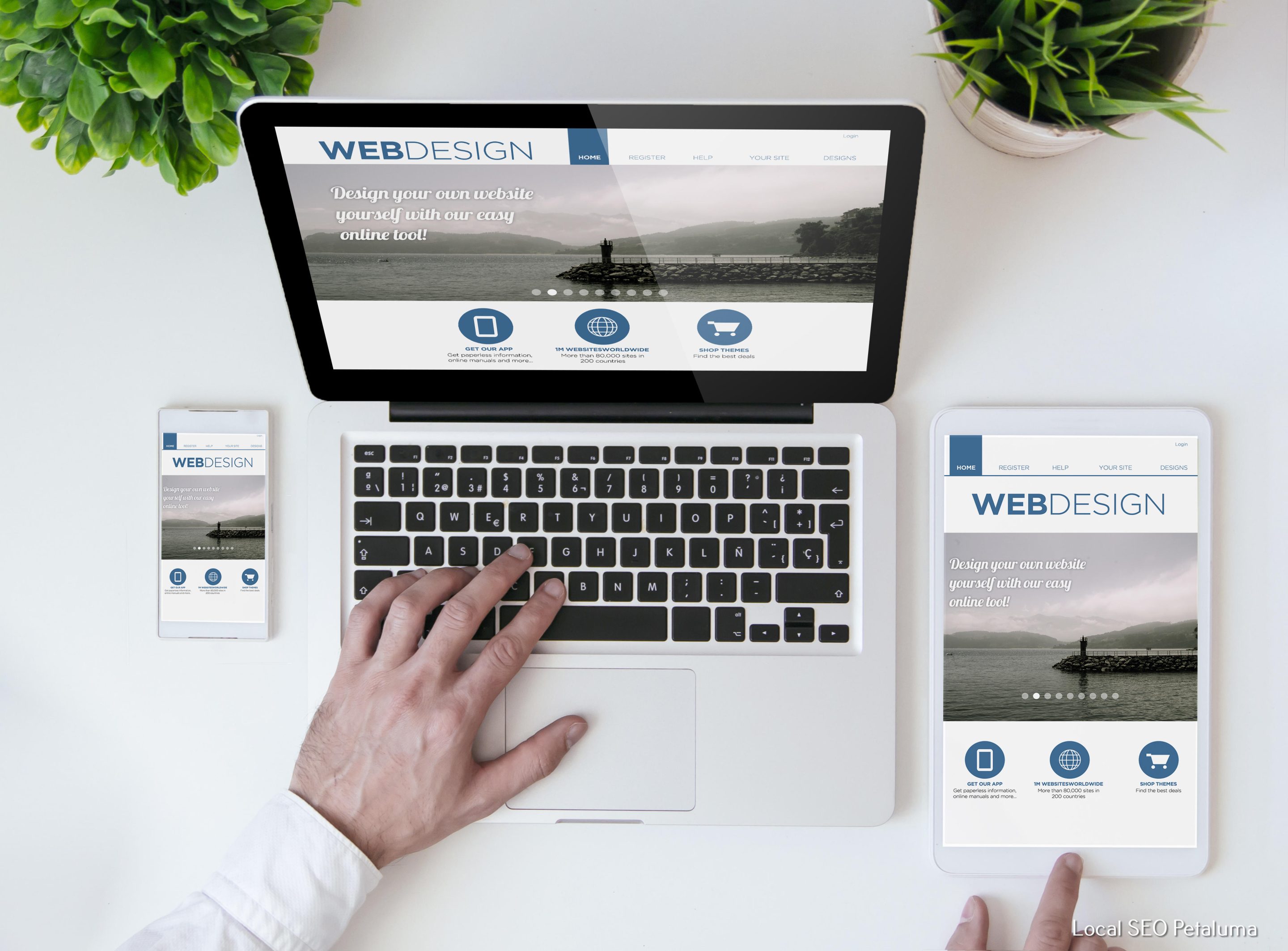
With a significant portion of internet traffic coming from mobile devices, ensuring your landing page is mobile-friendly is crucial. A mobile responsive redesign ensures that your page adjusts seamlessly to different screen sizes, providing a consistent user experience across all devices. This adaptability can significantly impact your conversion rates, as users are more likely to engage with a page that functions well on their device.
Consider the implications for on-page SEO as well. Search engines prioritize mobile-friendly sites in their rankings, which means a responsive design can also improve your visibility. Test your landing page on various devices to ensure that all elements, including forms and CTAs, are easily accessible and functional.
- Responsive Design: Use flexible grids and layouts to ensure your page looks great on any device.
- Simplify Navigation: On mobile, make sure navigation is straightforward and buttons are easy to tap.
- Test Thoroughly: Regularly check your site’s performance on different devices and browsers.
Optimize for Speed and Performance
No matter how well-designed your landing page is, if it takes too long to load, you risk losing potential leads. Page speed is a critical factor for both user satisfaction and search engine rankings. Slow-loading pages can lead to high bounce rates, which negatively affect your site's performance.
Implement performance optimization techniques to ensure your landing page loads quickly. This includes optimizing images, leveraging browser caching, and minimizing CSS and JavaScript files. Regularly monitor your page speed using tools like Google PageSpeed Insights to identify areas for improvement.
- Compress Images: Use tools to reduce image sizes without sacrificing quality.
- Enable Caching: Allow browsers to store page information for faster retrieval.
- Minimize Requests: Reduce the number of elements that need to load on your page.
Use Clear and Persuasive Calls-to-Action
The call-to-action is arguably the most critical component of your landing page. It’s the element that drives visitors to take the desired action, whether that’s signing up, purchasing, or downloading. A clear and compelling CTA can significantly impact your conversion rates.
Your CTA should be prominently displayed and stand out from the rest of the page. Use contrasting colors, bold fonts, or buttons to draw attention. The language should be action-oriented and convey a sense of urgency or benefit. For example, instead of “Submit,” a CTA might read “Get Your Free Guide Now.”
- Be Specific: Clearly state what the user will gain by clicking the CTA.
- Use Action Words: Encourage immediate action with verbs like “Download,” “Sign Up,” or “Get Started.”
- Test Placement: Experiment with different placements to see where your CTA performs best.
Incorporate Trust Signals and Social Proof
Building trust with your audience is crucial for conversion. Incorporating trust signals and social proof can reassure visitors of your credibility and encourage them to engage with your offer. Trust signals include elements like testimonials, reviews, security badges, and client logos.
Displaying testimonials from satisfied customers can provide valuable insights into the benefits of your product or service. Similarly, showcasing logos of well-known clients can enhance your credibility. Ensure that these elements are easily visible and relevant to your target audience.
- Feature Testimonials: Include quotes from happy customers to highlight your value.
- Showcase Partnerships: Display logos of reputable brands you’ve worked with.
- Highlight Awards: If applicable, list any industry awards or recognitions.
Test and Iterate Continuously
Creating an effective landing page is an ongoing process. To optimize your design for maximum conversions, you’ll need to test and iterate continuously. A/B testing allows you to compare different versions of your landing page to see which performs better.
Test various elements such as headlines, CTAs, images, and layout to identify what resonates most with your audience. Use data-driven insights to guide your decisions and make informed improvements. Regular testing not only enhances the effectiveness of your landing page but also keeps it aligned with changing market trends and user preferences.
- A/B Test Regularly: Experiment with different elements to find the most effective combinations.
- Analyze Data: Use analytics tools to track performance and identify areas for improvement.
- Adapt to Feedback: Stay open to user feedback and make changes accordingly.
Conclusion
Designing an effective landing page requires a strategic approach that balances user needs with business objectives. By understanding your audience, crafting compelling messaging, and optimizing for performance, you can create landing pages that not only attract attention but also drive conversions. Remember to continuously test and refine your pages, incorporating feedback and data insights to enhance their effectiveness. With these tips in mind, you’ll be well on your way to creating landing pages that deliver real results for your business.


























0 Comments